Search
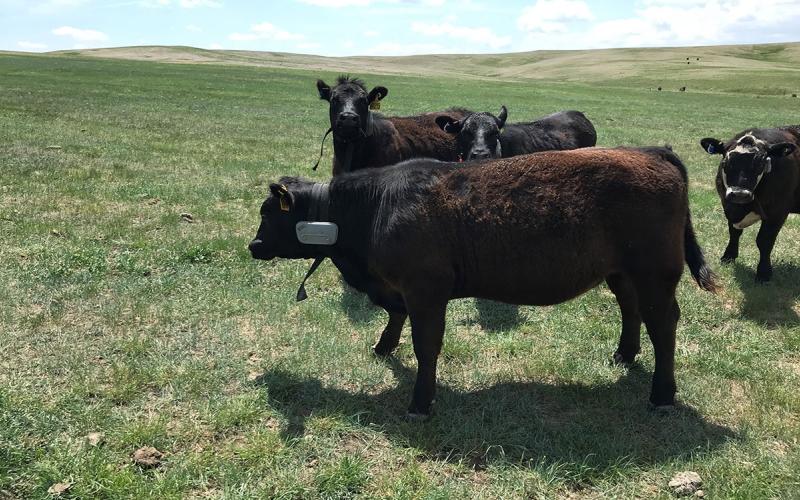
Range Roundup: Virtual Fencing Project Takes Place at the Cottonwood Field Station
Virtual fencing (borders without physical barriers) has started making waves in the cattle industry, and it can be used to implement precision grazing management. Our team is researching its use and utility at the SDSU Cottonwood Field Station starting this summer.
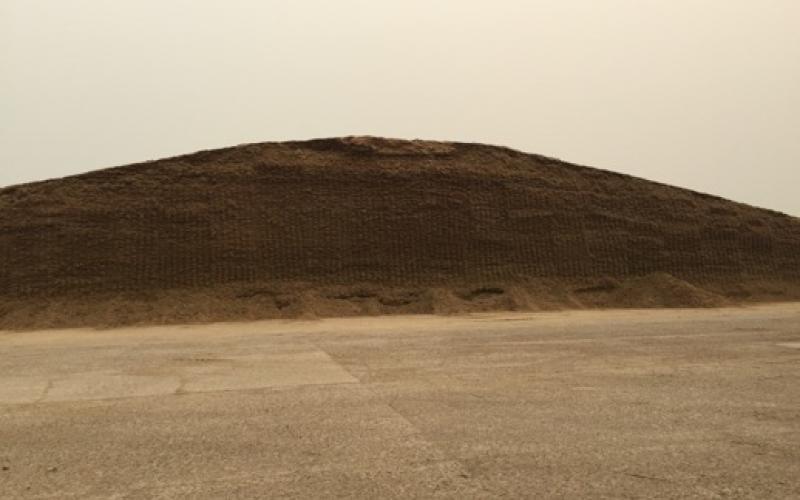
High-Quality Silage Making & Safe Practices: Both are necessities
Throughout the forage growing season many producers are putting up silage piles. To this point they have been predominately forages such as haylage or small grain silage; however, we will soon be moving into corn silage cutting season.
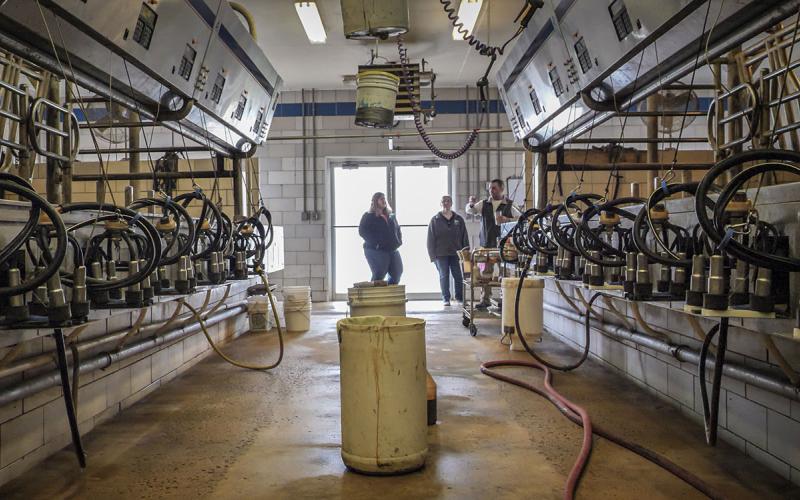
Factors Affecting Teat Skin Condition in Winter
Even though cows are housed in many parts of the country, cold weather may play an important factor in udder health and milk quality.
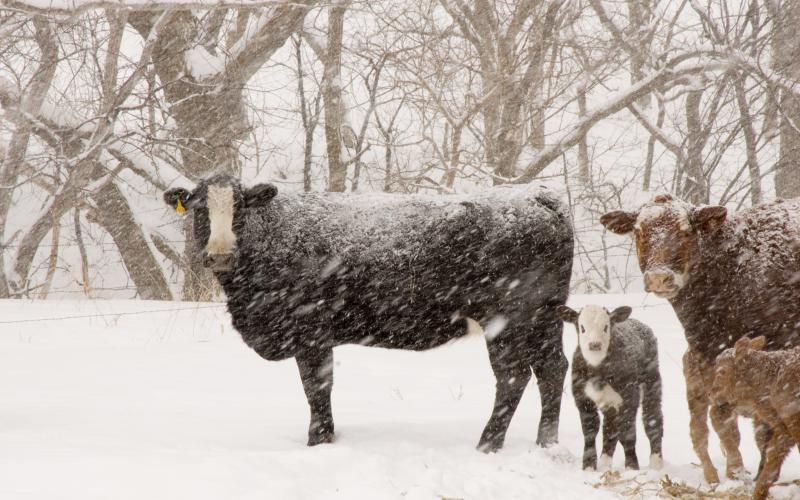
Can You “Make” a Cow Deliver Better Colostrum?
Cattle producers and veterinarians are aware of the large body of evidence clearly pointing to the benefits of colostrum for baby calves. As such, much attention has been given to the “intake side” of the equation (the calf’s side): how to ensure a calf consumes an adequate amount of high-quality colostrum.
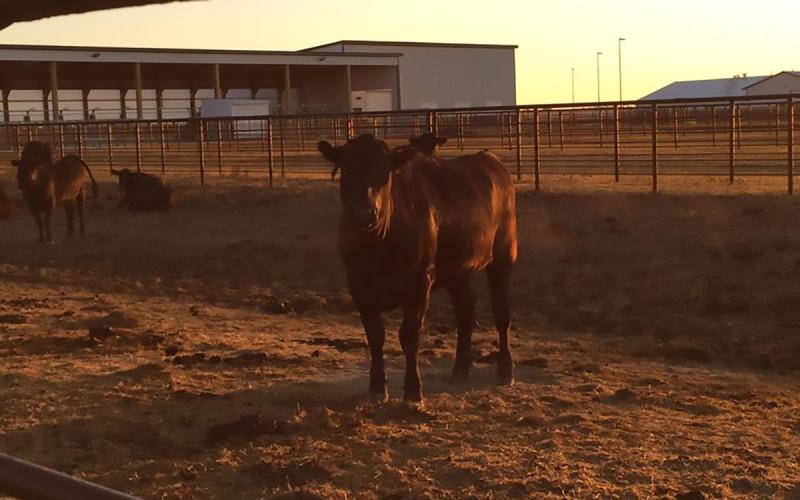
Calves From Other Sources
A few longer-run trends continue to dominate the supply-side story of cattle in South Dakota. Beef cow numbers continue to decline. The number of feeder cattle outside of feedlots has remained stable.
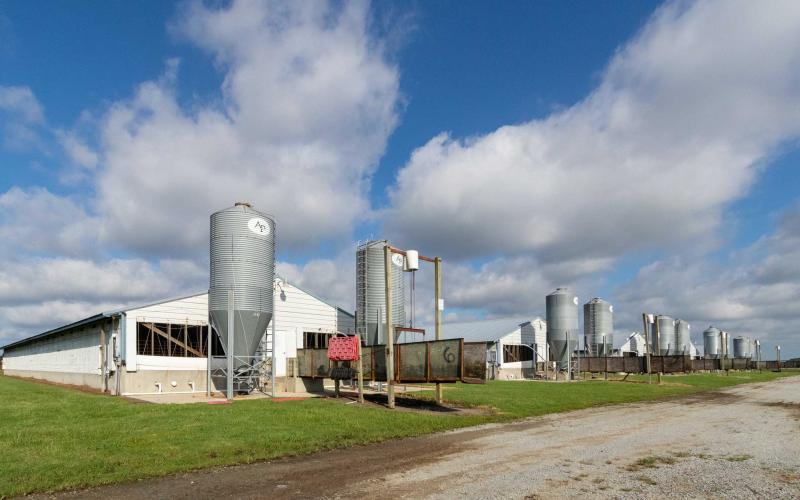
Virtual PQA Plus and TQA Certification Training Available
May 19, 2020
The National Pork Board has recently announced the opportunity to offer and complete Pork Quality Assurance (PQA) Plus and/or Transport Quality Assurance (TQA) certifications virtually.
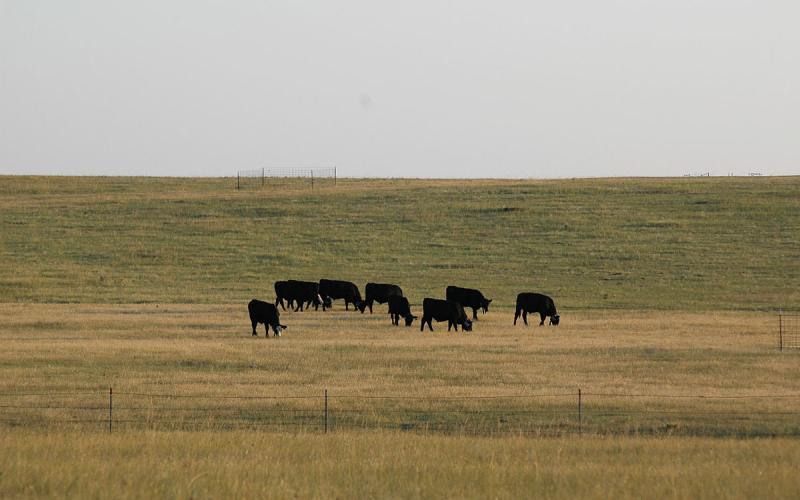
Increasing Adaptability With Alternative Grazing Strategies
The greatest sum in most cattle budgets is simply keeping cows fed. Whether grazing cropland or grassland, there are countless opportunities to improve your operation's bottom line through alternative grazing strategies.
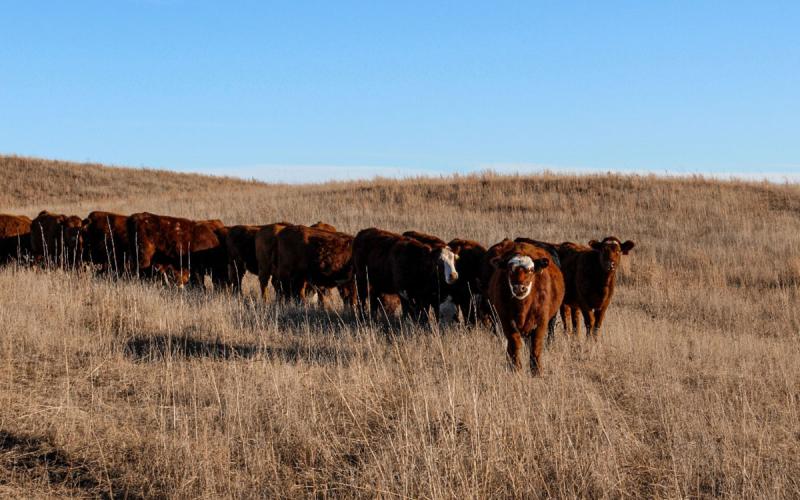
Fall Pasture Report: Considerations for Dormant Season Grazing
Recent fall rains across the region continue to improve soil moisture conditions in preparation for the dormant season. Unlike in years past, a fall green up has been in full swing for much of the region.
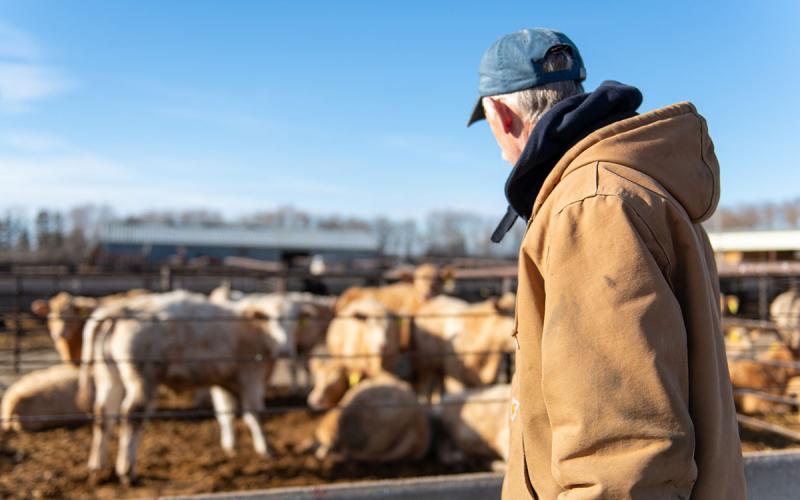
Animal Nutrition Program’s Feed Management Committee: Feed to Gain Calculator - Fat Inclusion
Adding fat to cattle diets is a common strategy to increase dietary energy density. Learn how to make informed feed decisions using a feed-to-gain breakeven calculator developed by the National Animal Nutrition Program Feed Management Committee.
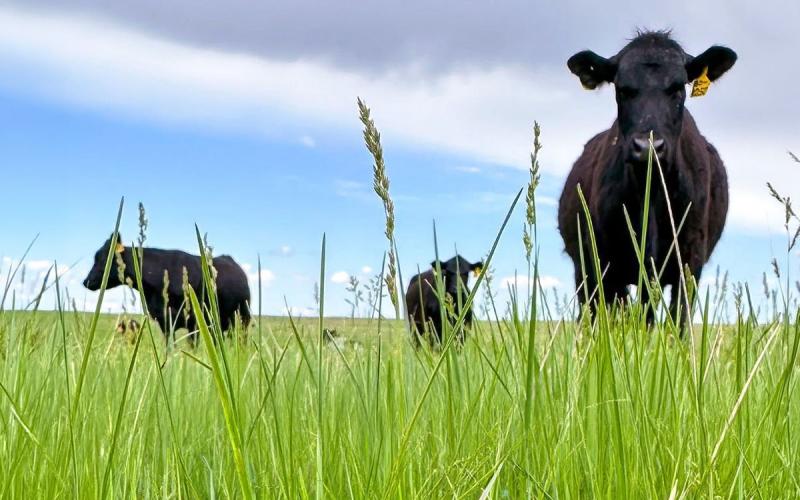
Conservation, Grazing, and Forage Situation
This report summarizes recent trends in the Conservation Reserve Program (CRP), harvested hay acreage, and grazing capacity in the United States and South Dakota. The purpose is to give a current picture of conservation enrollment and forage supply.