Search
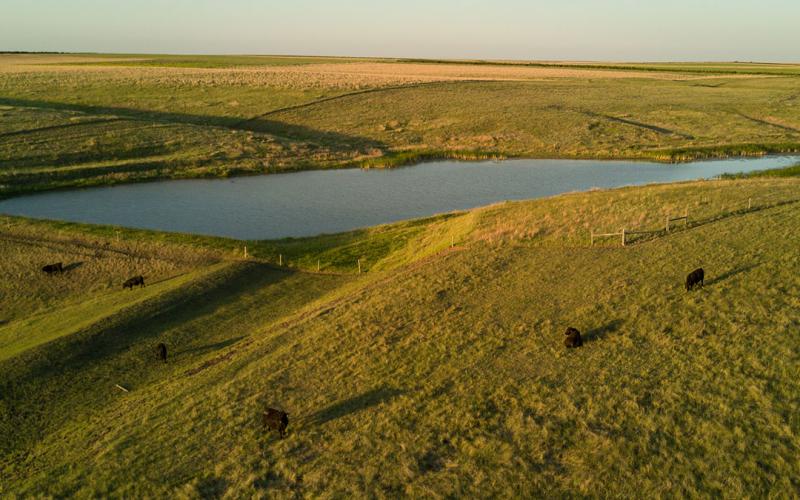
Grazing Calculator
The SDSU Extension Grazing Calculator eliminates the guesswork and mess associated with doing calculations by hand. It requires a few inputs on your end, and you will be able to save a downloadable Excel file for your record keeping.
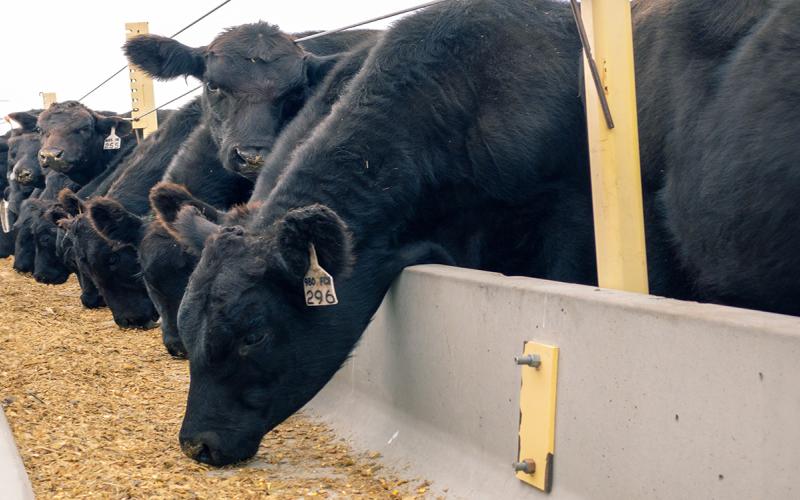
Preconditioning Calves: Is it the right choice?
Preconditioning involves weaning calves at least 45 days in preparation to enter the stocker phase or directly into the feedlot. Learn some important tips to help determine if it's the right choice for your operation.

Winter Ticks in South Dakota
Winter ticks, also called moose ticks, are unlike other tick species because they are active during the winter months.
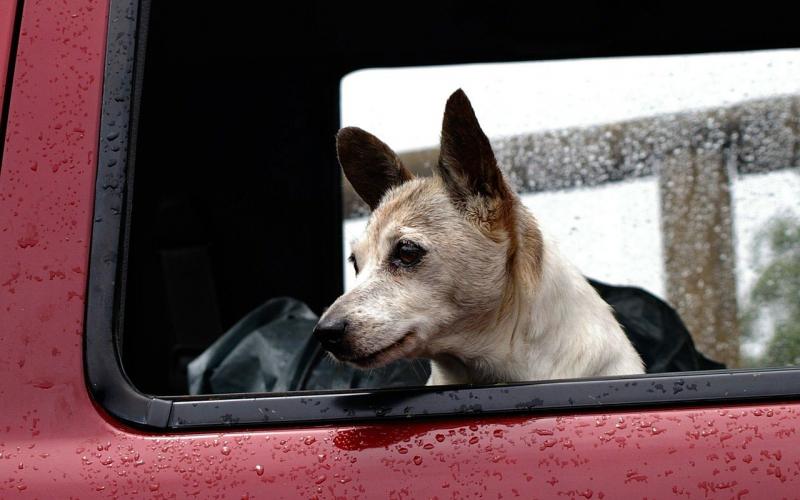
Preparing to Keep Pets Safe and Healthy During Flood Conditions
As is the case with providing for the care of livestock and other large animals during flooding, a little forward planning for the care of pets can really pay off when considering the disruptions that spring flooding can bring.
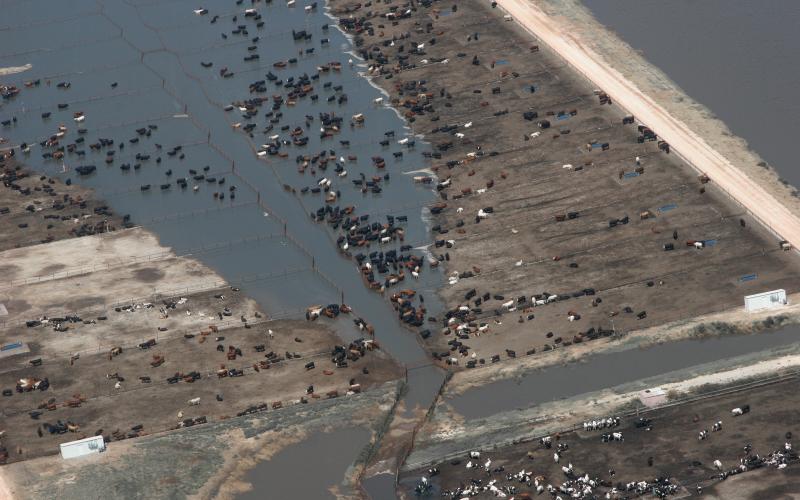
Dealing With Spring Mud and Flooding
As the snow melts, we are going to be left to deal with mud at a minimum and extensive flooding as a possible worst-case scenario. While we can’t control the pace of melting or the possibility of additional precipitation, we may be able to take a few steps to mitigate the negative impacts.
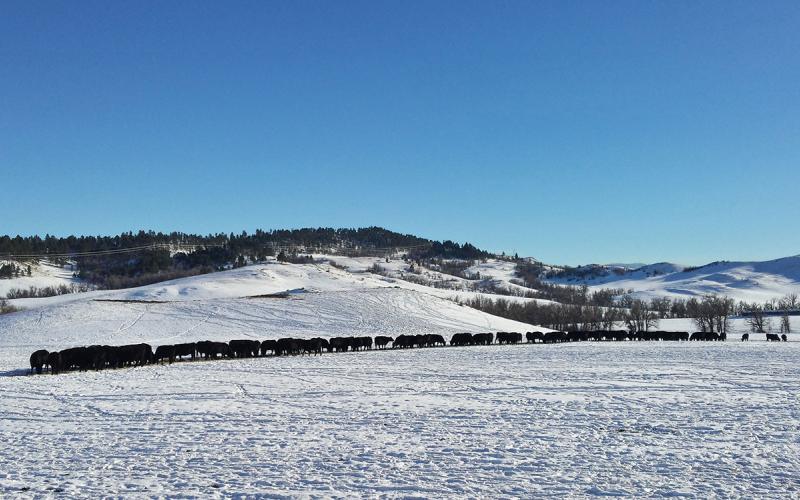
Swath/Bale Grazing
Swath grazing and bale grazing are harvest systems that mesh haying and grazing techniques. Generally, the objective is to reduce labor and equipment expenses by allowing livestock to consume the hay crop in the field.
Economic Impact of the Beef Industry on South Dakota
The beef industry in South Dakota makes a significant contribution to economic output and development in the state. As of January 1st, 2012 there were 1,610,000 beef cows in South Dakota. These cows produced 1,710,000 calves during the year and the industry produced an estimated $2,283,766,027 in gross income during 2012 (South Dakota Agriculture 2013).
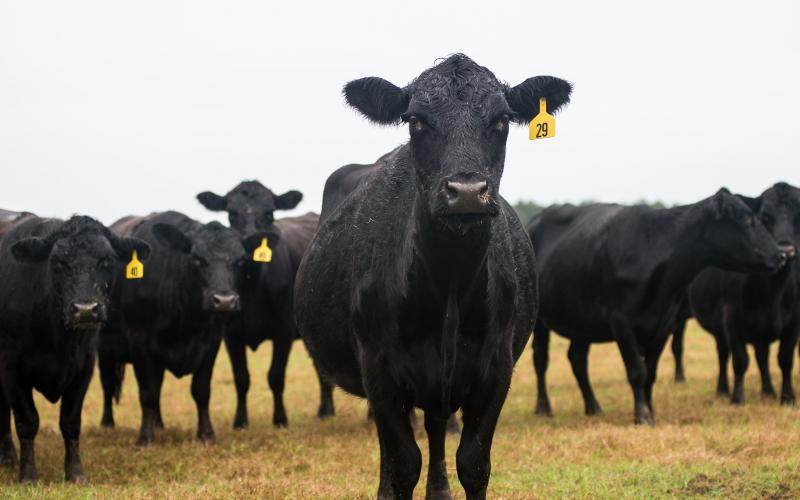
2021 Beef Heifer Synchronization Protocols
With the 2021 Artificial Insemination Beef Sire Directories now available, it is time to think about breeding season, especially if you will be using synchronization.
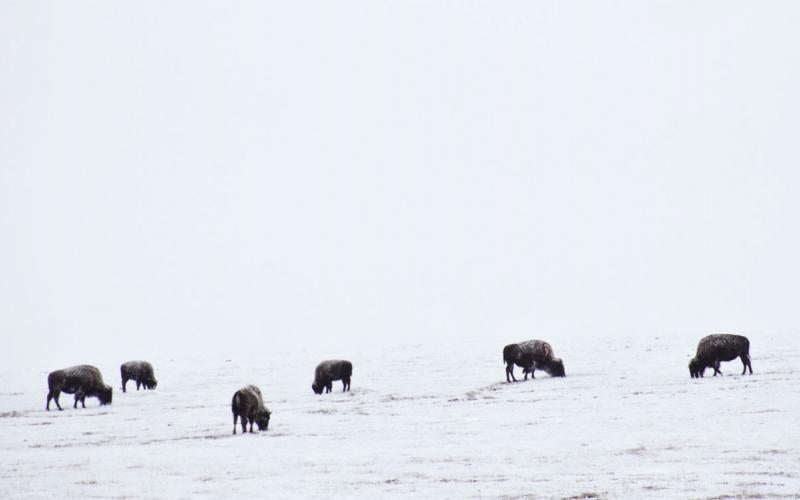
Considerations for Winter Bison Management
Although many tools and techniques developed for cattle management have been adapted for bison, there are some stark differences between the two species that producers should consider when managing bison on winter range.
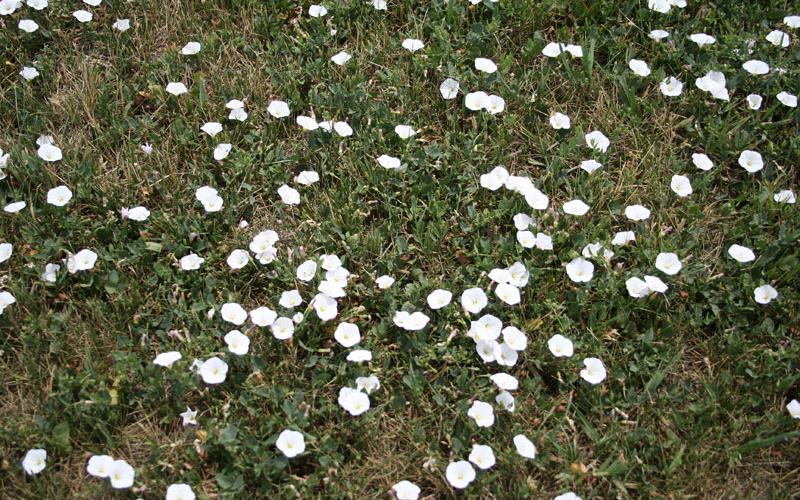
Weed Control: Noxious Weeds
Noxious Weed Recommendations: Herbicides for pasture, range, and non-crop areas, including roadside and other right-of-way that may be harvested for hay or grazed, are given a priority.