Search
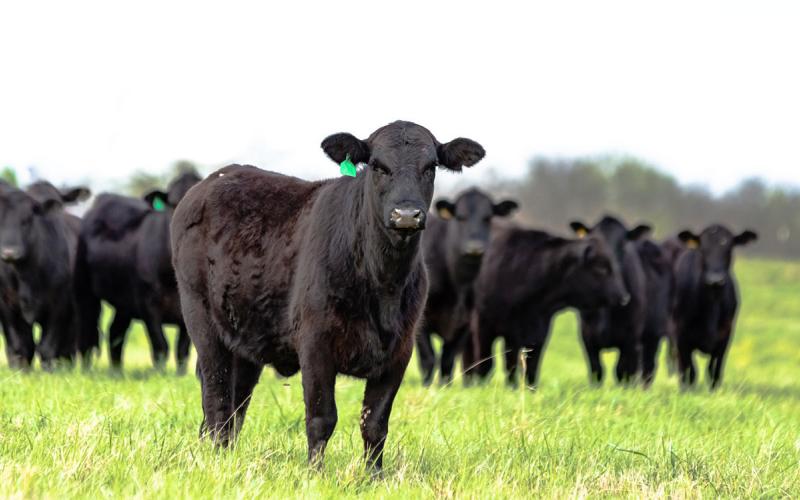
Can Early Weaning Benefit First-Calf Heifers?
First-calf heifers pose specific challenges for cattle producers. Learn how strategic weaning decisions can impact the performance and profitability of this challenging group.
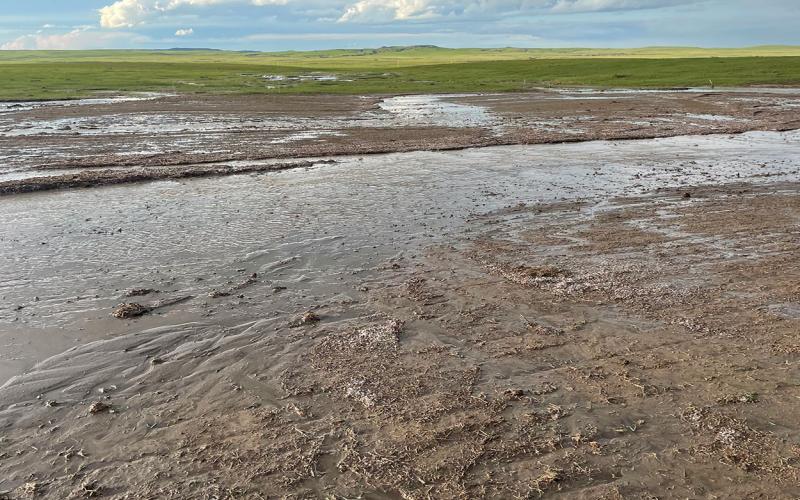
Five Range Management Principles: #4 Residual Forage
Residual forage is the amount of green leaf left after a grazing event. Understanding its importance can help producers capitalize on the symbiotic relationship that occurs when soil health is front and center on rangelands.
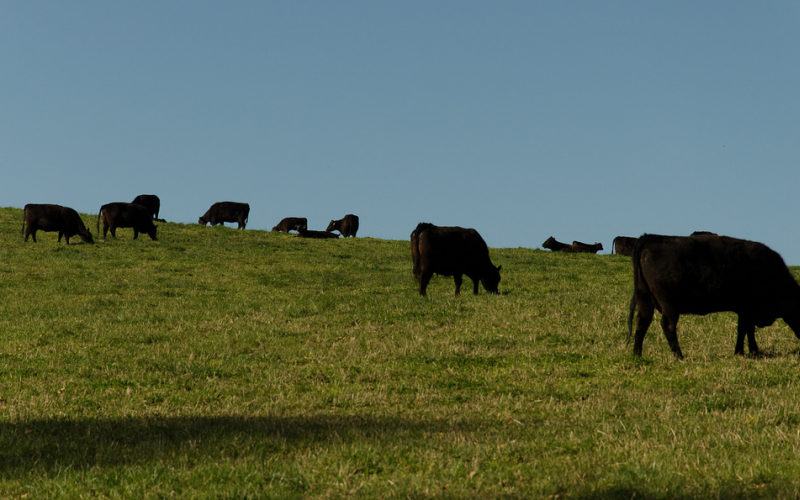
Protein Supplementation Options With Grazing Cattle
COVID-19 and the energy economy has had a dramatic negative impact on the ethanol industry, resulting in limited availability of corn distiller’s grains. This has changed availability and pricing of protein feeds.
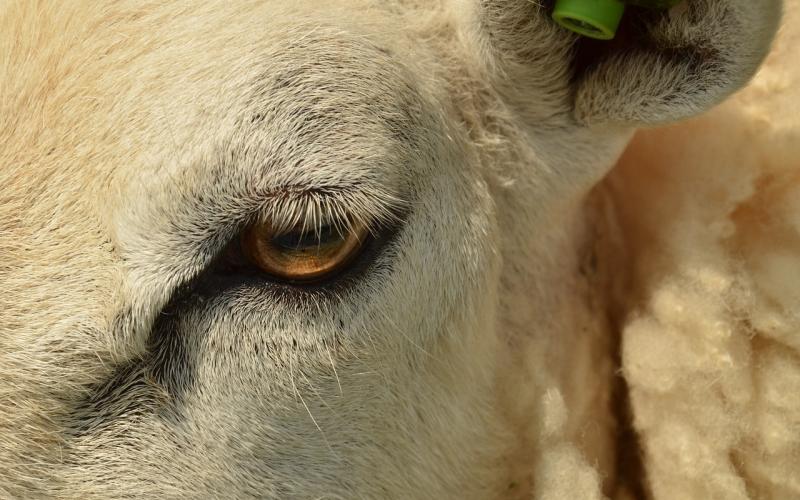
Small Ruminant Abortions: Cleanup and facility considerations
Sheep and goat producers in the upper Midwest rely on annual lamb or kid crops to maintain economic viability. Reduction in the lamb or kid crop due to abortion (premature birth) and stillbirths are a common occurrence on many farms. Some of these problems have implications for human health as well as animal health.
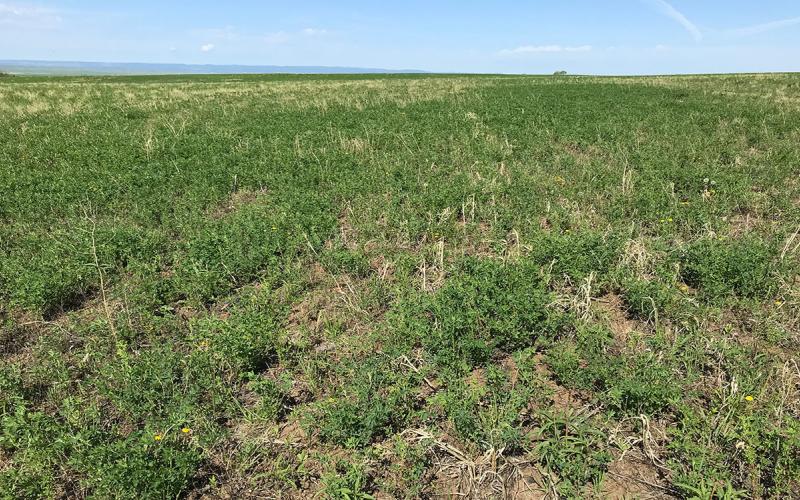
Replanting Cropland Back to Grassland
Planting cropland back to grassland takes some planning regarding previous herbicide use, soil fertility and seed bed preparation. The first step is to identify what resources are currently available to help you reach your objectives and what problems may need to be addressed.
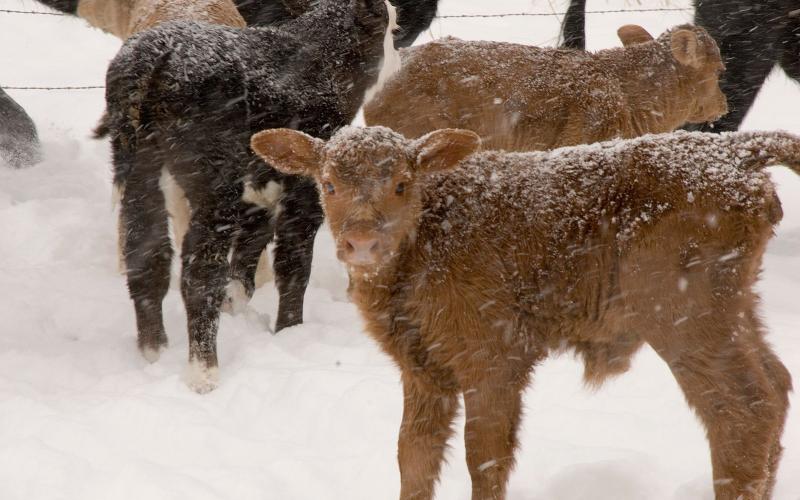
Determining the Best Method of Castration for Beef Calves
Spring is an important time for making the best management decisions for the health and well-being of your calves, with an extremely important one being the castration of the bull calves.
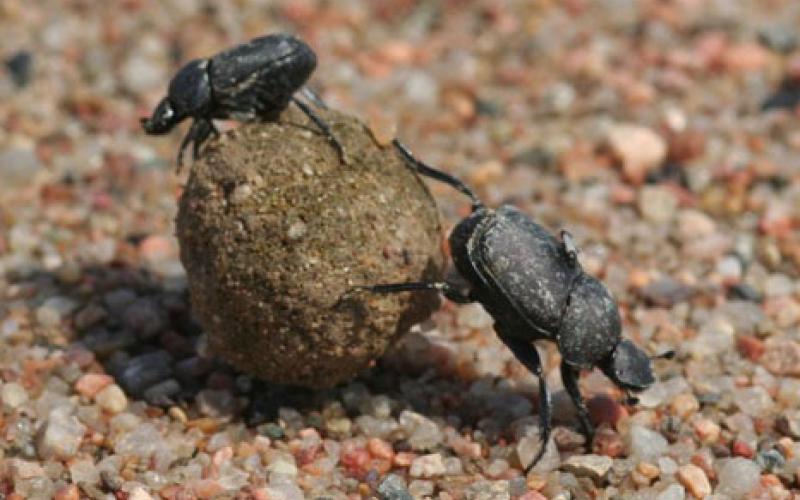
Promoting Dung Beetles on the Range
In South Dakota, dung beetles help regulate rangeland health through dung dispersal.
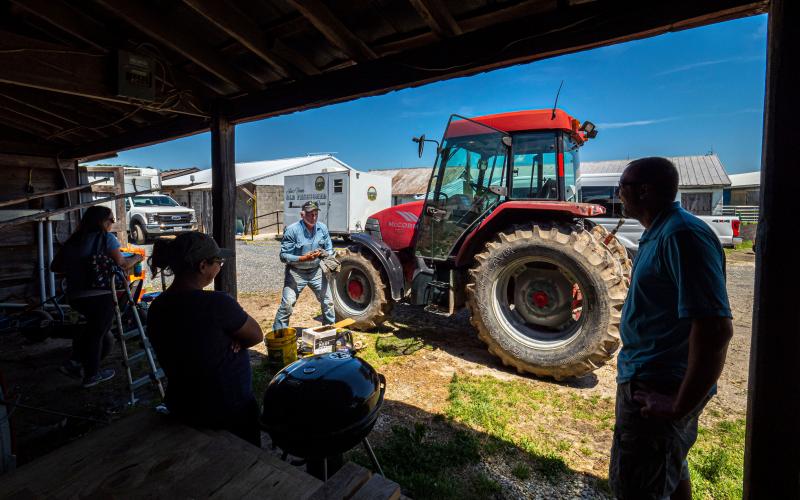
Employee Turnover: It Is Important in Agriculture Also
Lots of conversations in agriculture lately focuses around labor or the lack of a labor pool of employees. This is the case not only for dairy farms, but also within the entire agriculture industry.
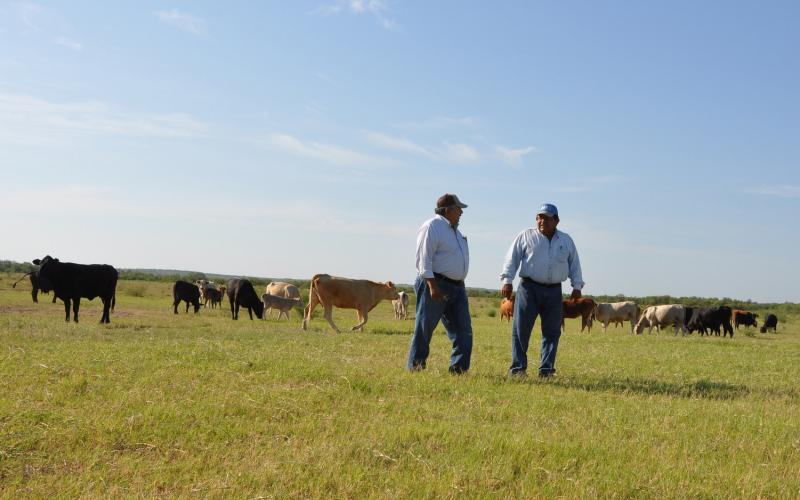
Rotational Grazing Benefits: South Dakota Producer Perceptions
To better understand producer perceptions on rotational grazing, we sent out 1,500 surveys to South Dakota ranchers inquiring about adoption status and perceptions of rotational grazing.
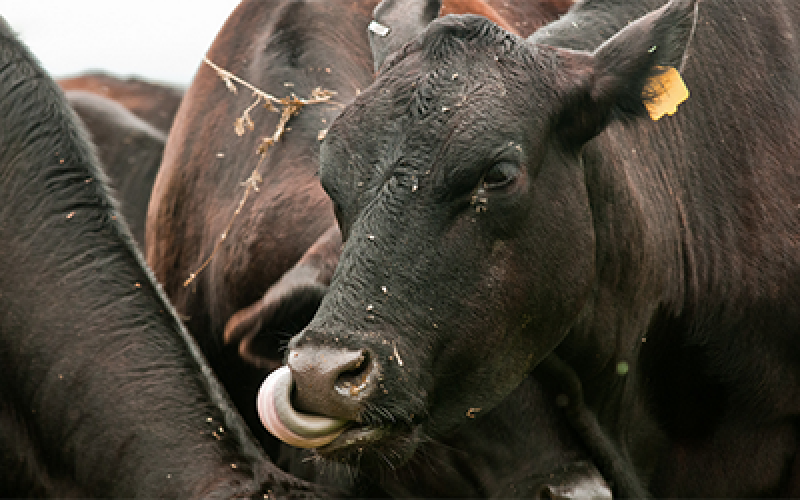
Tuberculosis in Cattle: What You Need to Know
Bovine tuberculosis is a chronic and slowly progressive disease of cattle that emerges periodically in the U.S. Cases of bovine tuberculosis are usually diagnosed on the basis of tell-tale abnormalities found on slaughter inspection.