Search
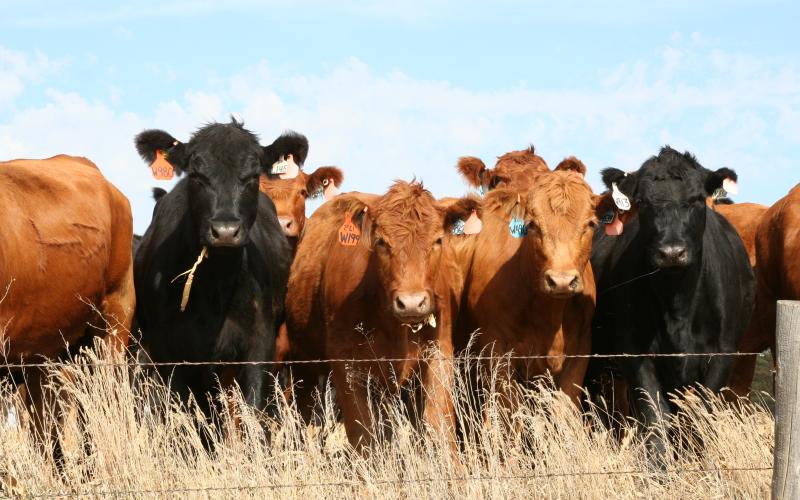
Heifer Selection and Genomics
Weaning is done and calves are hopefully getting settled into backgrounding yards. Now is the time to select replacement heifers and start them on a development plan that aligns with female management and breeding goals.
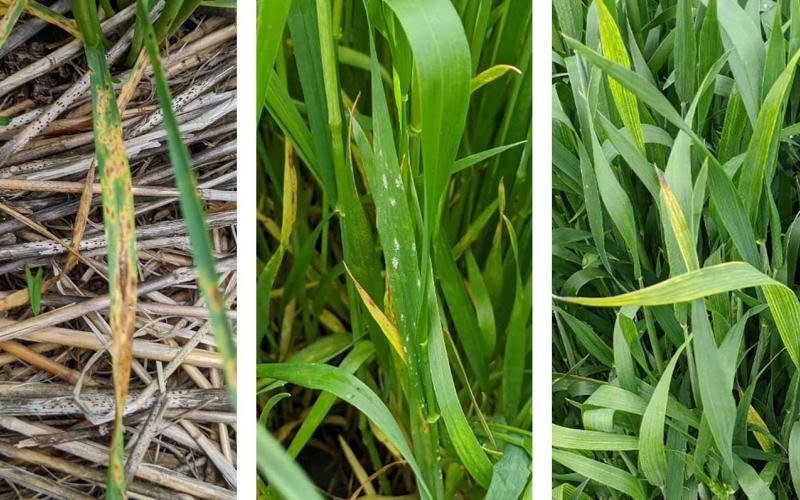
Winter Wheat Diseases Update: Fungal Diseases and Barley Yellow Dwarf Developing
Tan spot and powdery mildew as well as barley yellow dwarf were found developing at low levels in winter wheat fields scouted the week of May 24, 2020.
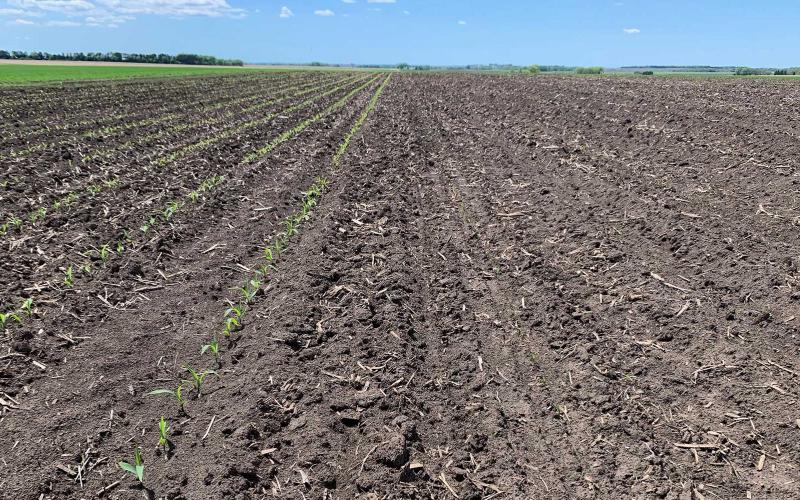
2020 Corn Growing Degree Days Update
Spring planting progress of corn in 2020 has been much ahead of a typical year in South Dakota. Crop development, however, seems slow.
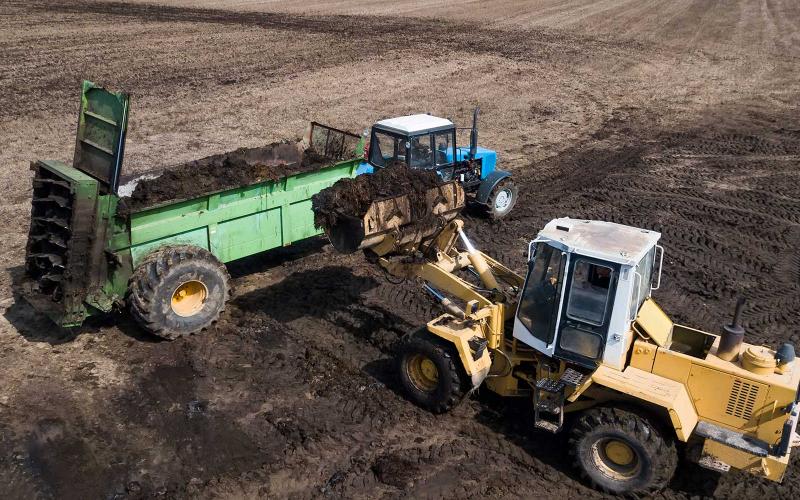
Summer Maintenance in Outside Yards
Spring mud and poor drainage are two of the biggest production drags associated with feeding cattle outside. Summer months represent an opportunity to address and correct any problems that might be present in open lots.
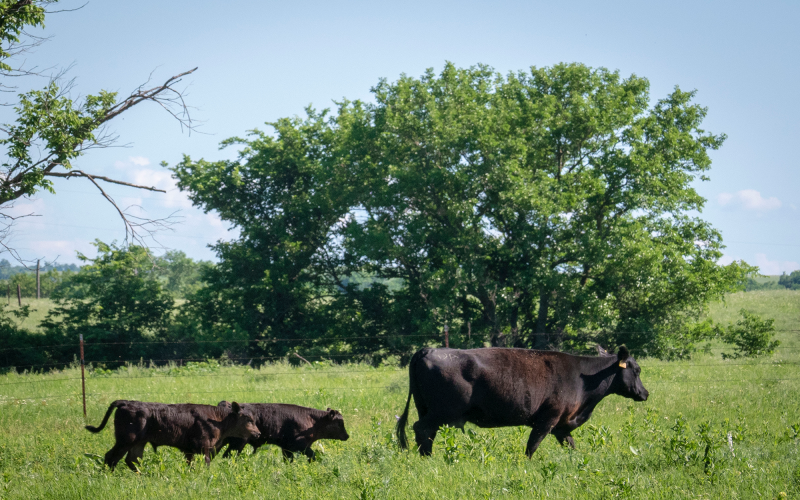
Lessons From Alternative Calving Workshops
Recently, the South Dakota Grassland Coalition and SDSU Extension held workshops across the State focused on sharing information from experienced livestock producers who have switched to a calving date more in sync with nature.
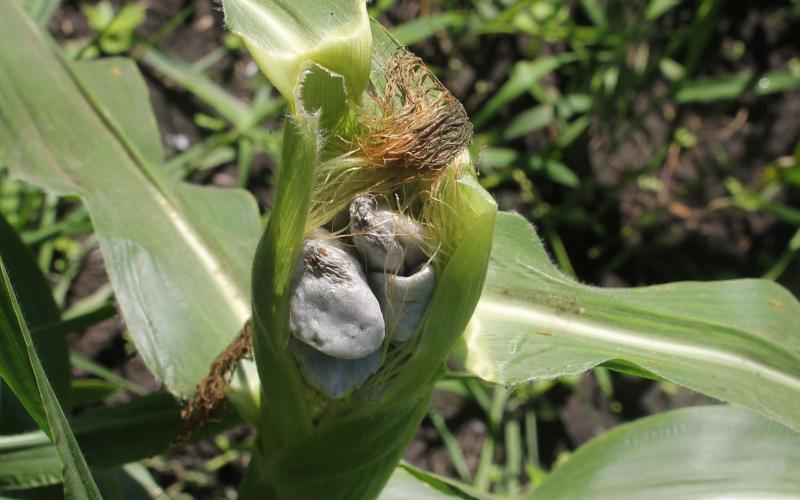
What's Bugging Your Garden? Smut on Sweet Corn
Smut is a fungal disease that can attack the leaves, stalks, tassels, silks and cobs. While many fungal diseases cause spots on the leaves or stems, smut is much more flamboyant.
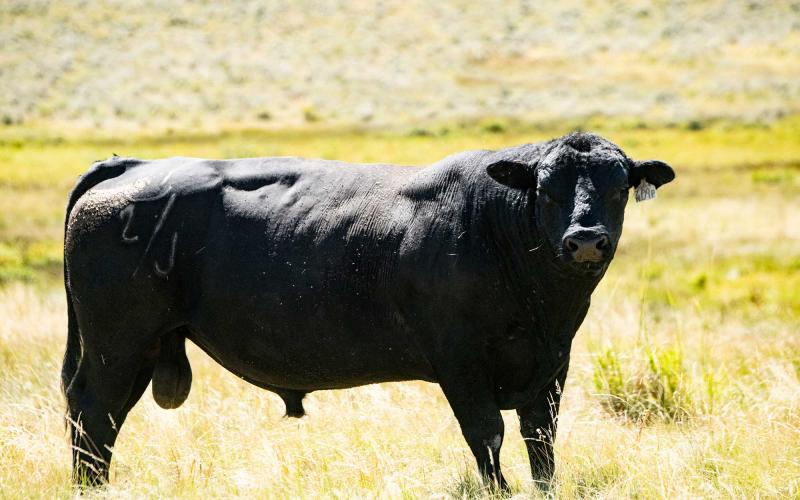
How Many Bulls Do You Need When Synchronizing With Natural Service?
The use of estrous synchronization with natural service provides an opportunity to utilize the benefits of synchronization. However, the first question producers ask is, “How many more bulls do I need?”
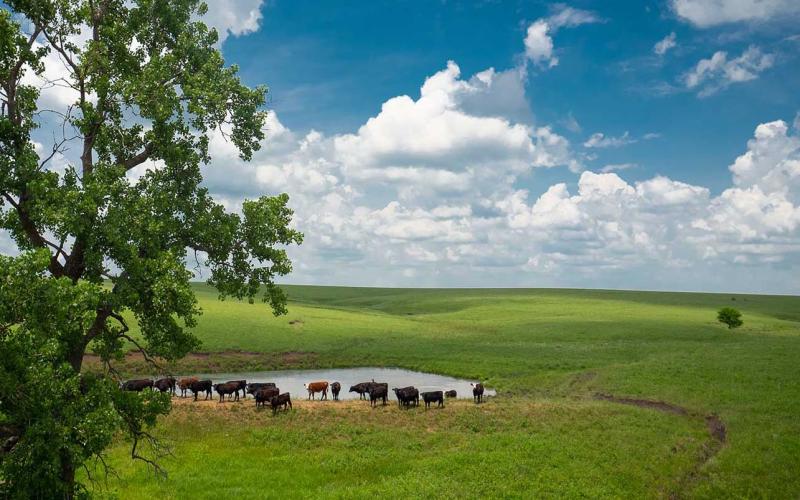
Financial Considerations With Livestock Grazing Distribution
With spring turnout to grass here for some ranchers and just around the corner for others, proper livestock grazing distribution is a key aspect of a comprehensive grazing management plan.
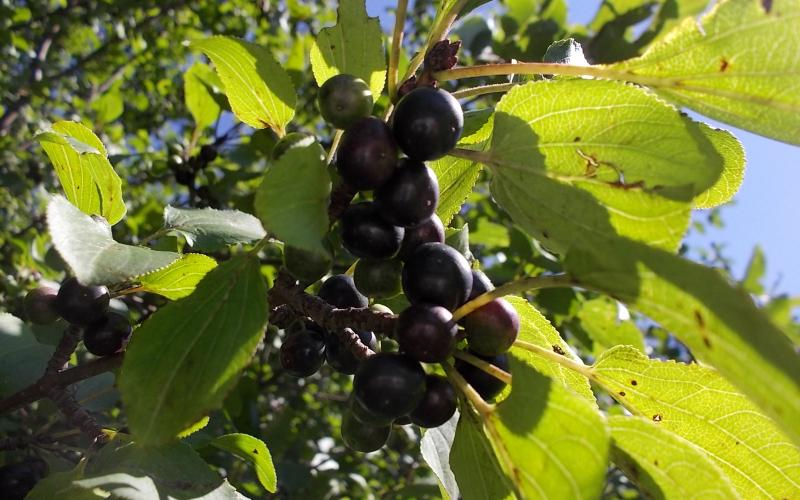
Woody Weeds: Common Buckthorn
When considering weed control in tree plantings, the focus is generally placed on the control of herbaceous vegetation (grasses and forbs), particularly during the establishment phase. This focus is appropriate since control of herbaceous weeds is generally critical to establish a successful planting. As these plantings mature, providing perching sites for birds, another weed problem develops – the establishment of competing woody vegetation. These woody weeds are often left unchecked for many years because they look “natural” in a windbreak or other area of trees.
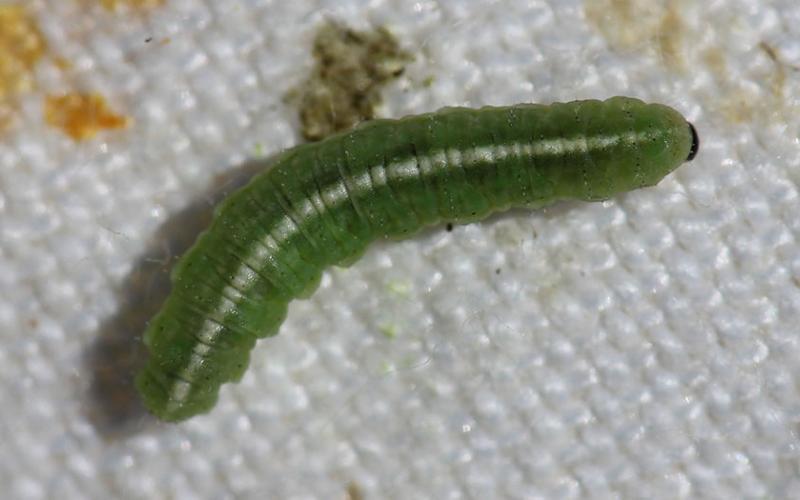
Alfalfa Weevil Activity Prediction Update: June 1, 2020
Activity of alfalfa weevils has been documented in many areas of South Dakota during the last week. At this time, the entire state has accumulated enough degree days for alfalfa weevils to be active.