Search
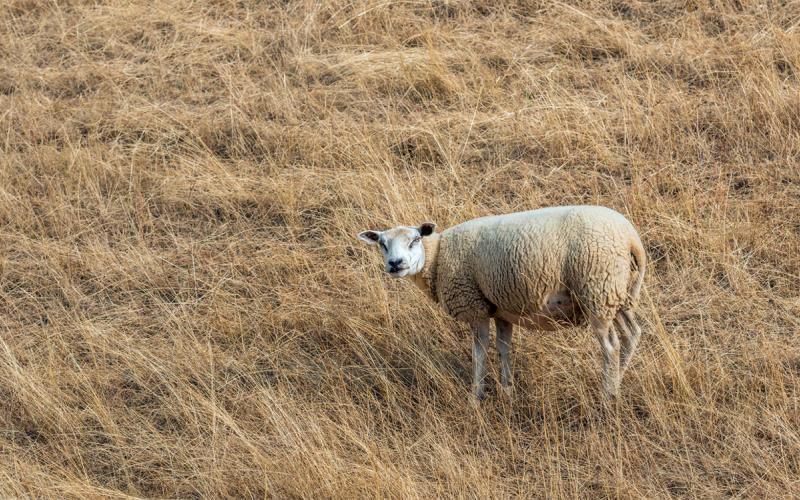
Drought Considerations for Grazing Range Flocks
Having a drought plan in place to best manage pastures is critical in being prepared for next year’s grazing season. Make decisions that will manage risk and promote both flock and financial longevity.
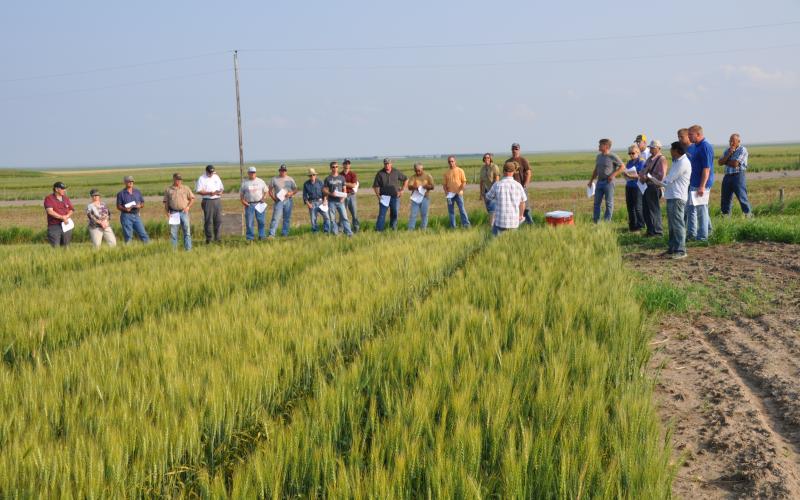
SDSU Extension to Host Small Grain Variety Tours
June 08, 2021
On June 17, South Dakota State University Extension will kick off its annual statewide Small Grain Variety Tours in Ideal.
Concentrated Animal Feeding Operations Training set for June 30
June 08, 2021
An environmental training session for operators of concentrated animal feeding operations (CAFOs), will be held Wednesday, June 30 in Huron at the Crossroads Convention Center.

Qualifying Livestock Forage Program Applications
As drought conditions worsen, livestock producers will find feed assistance from the Livestock Forage Program administered by the U.S. Department of Agriculture Farm Service Agency. Learn how to qualify, apply and certify your application for assistance.
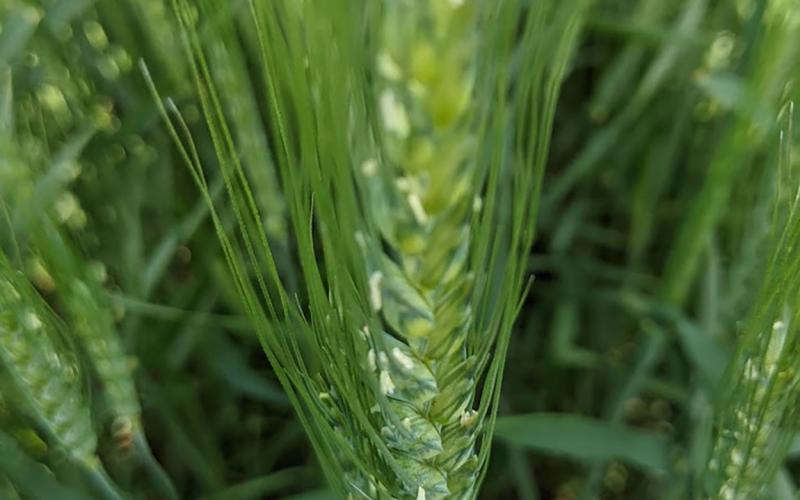
Use Fusarium Head Blight Risk Prediction Tools for Better Disease Management
Winter wheat has reached the flowering growth stage, which is a time of high risk for Fusarium head blight. By using disease prediction tools correctly, a producer can protect wheat from infection by applying a timely fungicide when the tools show moderate to high risk.
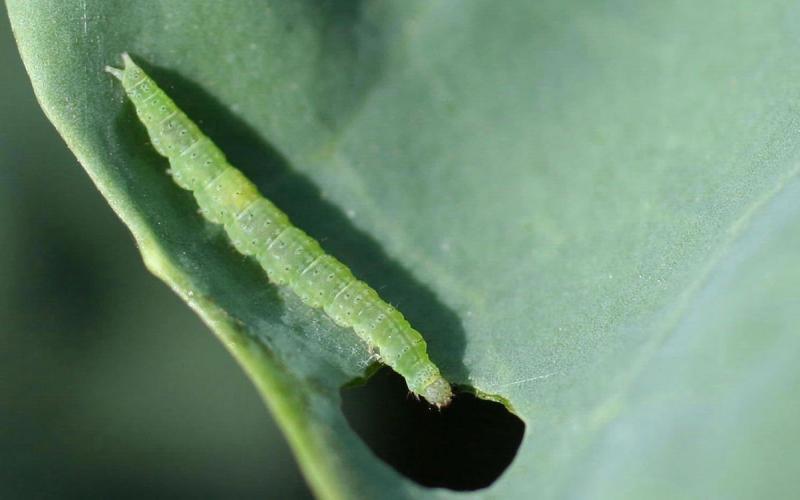
Diamondback Moth Caterpillars Active In South Dakota
Diamondback moth caterpillars have been observed in South Dakota gardens. These pests feed primarily on cole crops, such as broccoli, Brussel sprouts, cabbage, cauliflower and kale, leaving behind irregular-shaped holes.
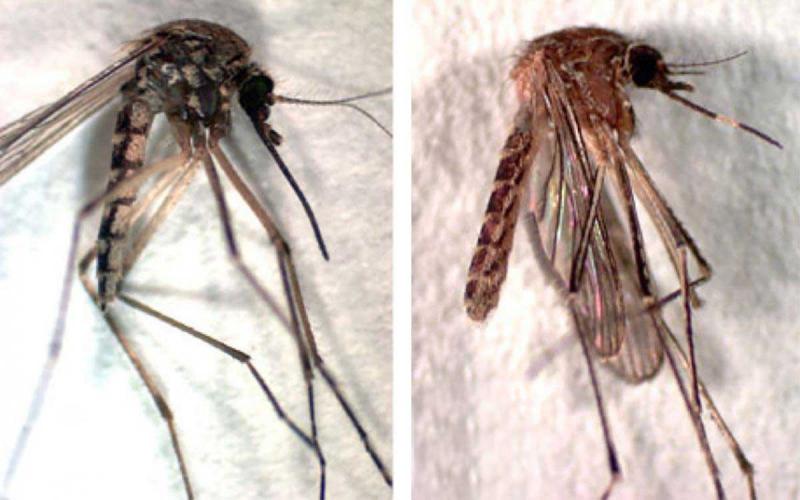
Will Mosquitos Be an Issue During This Summer?
Although it may seem like mosquitos won’t be an issue this year due to drought conditions, it is important to remember that they don’t require large bodies of water to reproduce. Mosquitos can utilize standing bodies of water, small puddles or even stagnant water in containers or old tires.
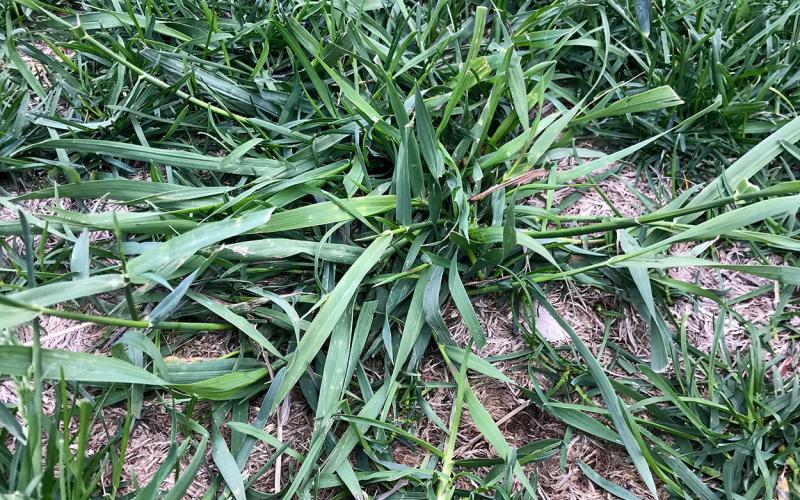
Is Crabgrass Taking Over Your Lawn?
Each year homeowners and businesses typically find crabgrass invading their lawns. If you desire a nice lawn, you may not be happy about this. Crabgrass can be a bit tricky to control—especially after it has established itself for the season.
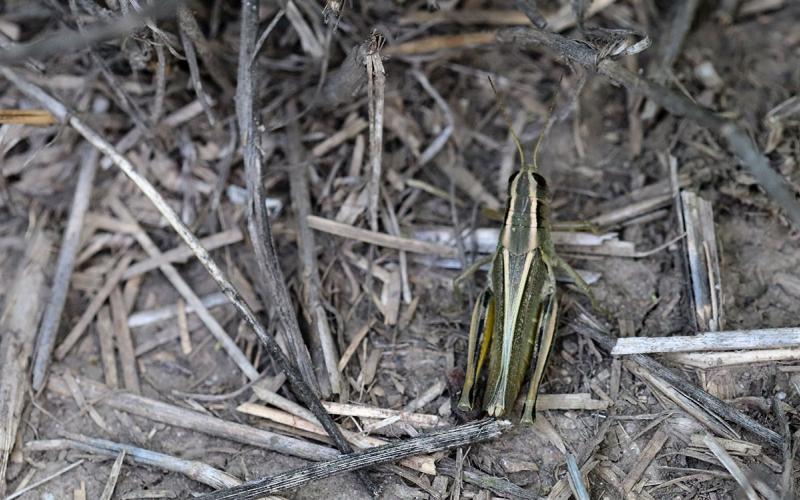
Will Grasshoppers Be an Issue in 2021?
With much of South Dakota experiencing dry conditions this year, grasshoppers are one of the insect pests that will need to be monitored. Large grasshopper populations may cause economic loss in cash crops and reduce forage in range and pasture lands.
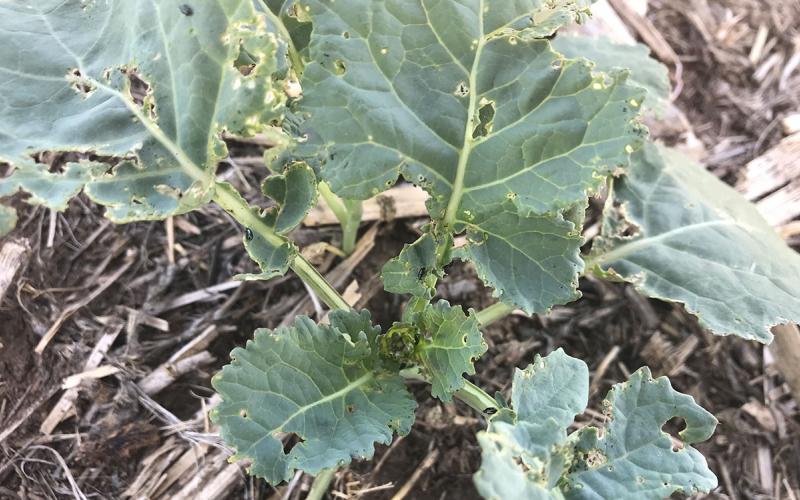
Flea Beetles Still Feeding in Canola
Large populations of flea beetle adults have been observed on canola this week. In one field we scouted, flea beetle populations were large and causing significant amounts of defoliation.