Search
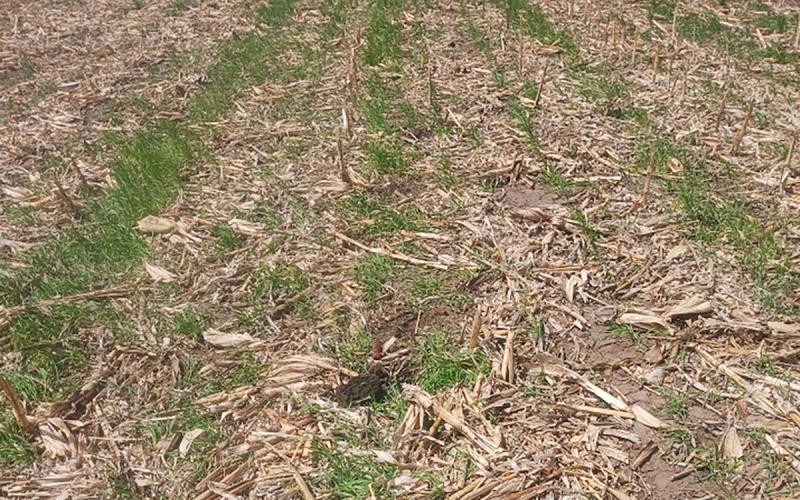
Effects of Different Cereal Rye and Winter Camelina Seeding Rates on Biomass Production and Soil Properties When Broadcast Seeded
Benefits to soil health generally increase as cover crop biomass production increases. Recent research sought to determine how the seeding rate of two cover crop species and mixtures affected biomass production and some soil health indicators.
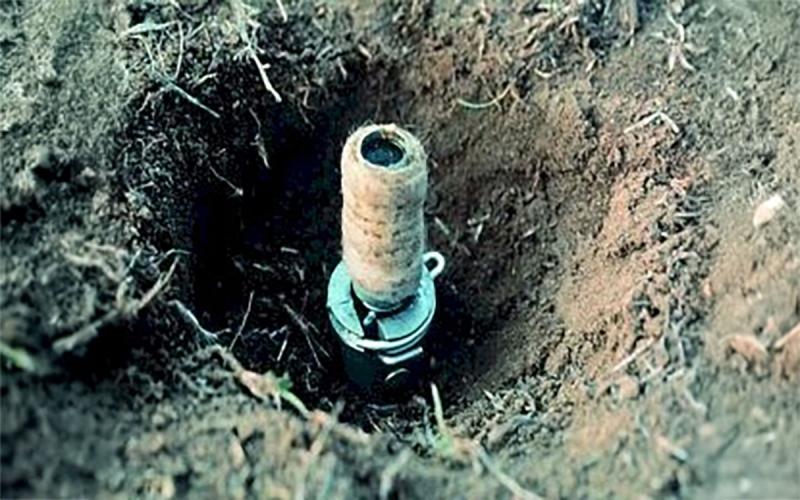
Private Applicator Endorsements for M-44 Devices, Fumigants, and Aerial Applications
Recent changes to South Dakota private applicator pesticide regulations have impacted the requirements to use M-44 predator-control devices, fumigants, and to apply pesticides from aerial vehicles.
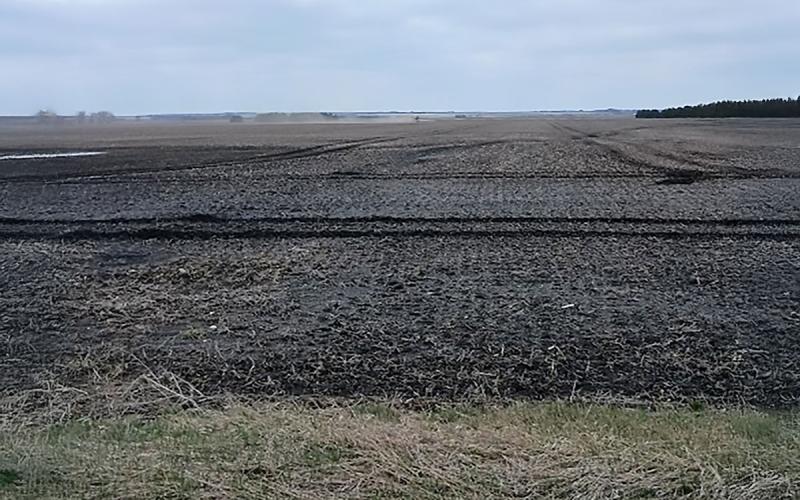
How to Avoid Soil Compaction During Crop Harvest
Soil compaction can degrade soil health and lead to reduced crop yields. Learn some production practices that can implemented during harvest to avoid soil compaction.
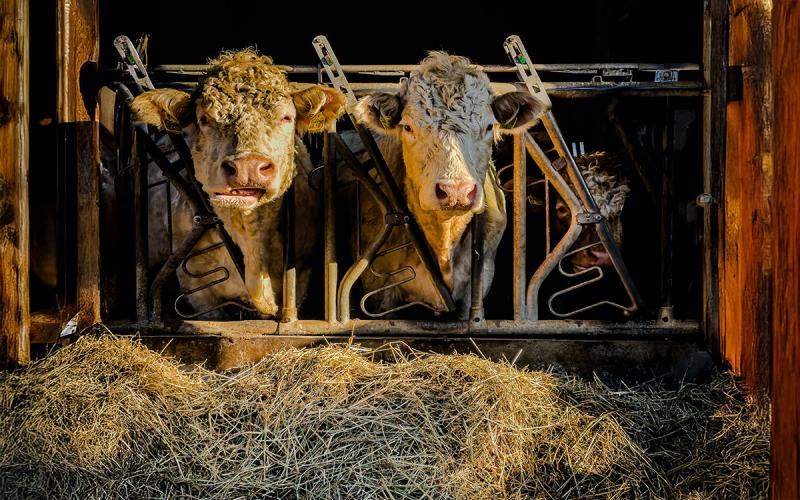
Feed Management for Efficient U.S. Livestock Systems: Introducing the National Animal Nutrition Program’s Feed Management Committee
The National Animal Nutrition Program’s Feed Management Committee brings together experts in animal science, nutrition, and natural resource management to increase awareness and use of livestock feeding management and to address conservation needs.
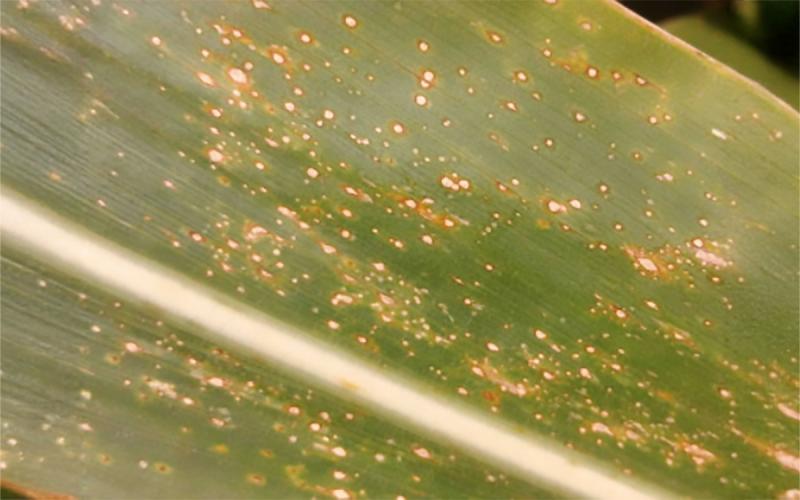
Corn Disease Update: September 2, 2025
As of September 2, 2025, a number of corn diseases have been reported and confirmed throughout South Dakota. View our latest findings as we approach the fall harvest season.
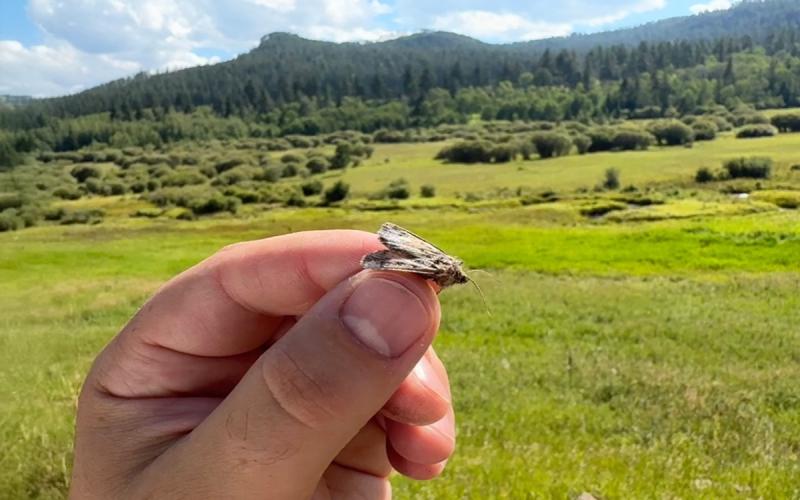
Army Cutworm Migration Swarms Detected in Western South Dakota
Mass populations of army cutworm moths are being reported to entomologists at South Dakota State University. Thus far, these migratory swarms have only been observed in far western South Dakota, particularly within the Black Hills.
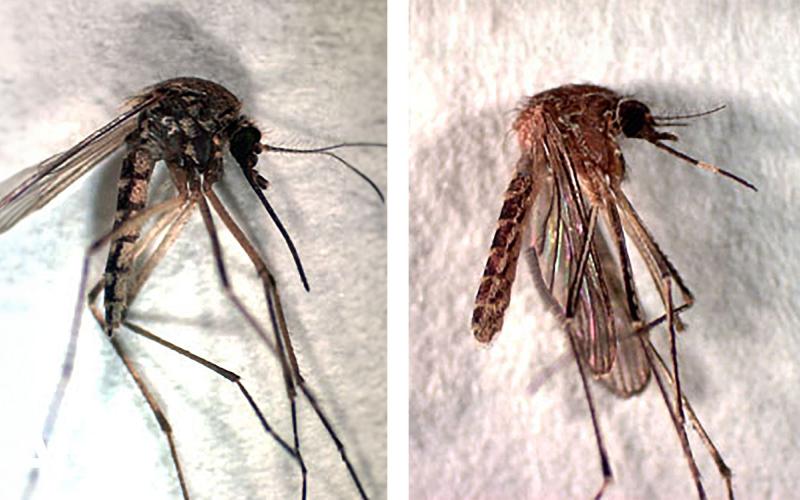
Mosquitos to Watch for in South Dakota
After many areas in South Dakota experienced heavy rainfalls, mosquitos are now a major issue. Learn which species are most common throughout the state and which carry the highest risk for West Nile Virus.
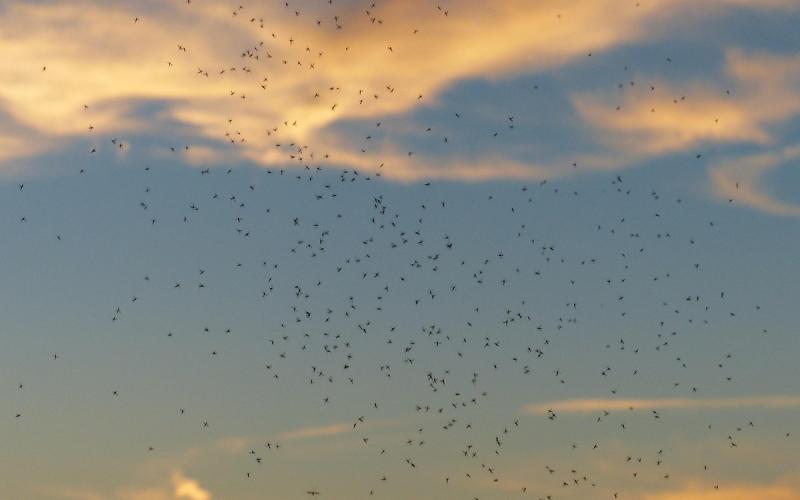
West Nile Virus Update: September 3, 2025
As of August, the South Dakota Department of Health indicated that West Nile Virus positive mosquito pools have been detected in Beadle, Brookings, Brown, Codington, Hughes, Lincoln, and Minnehaha counties.
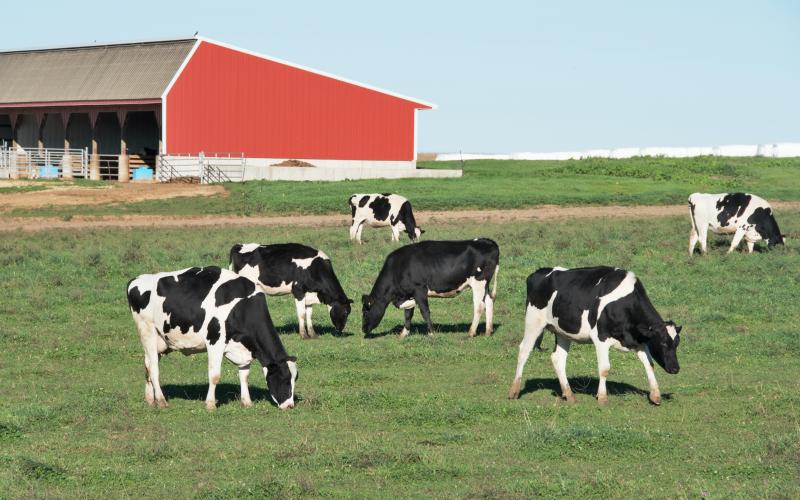
Dairy
As a member of the I-29 Moo University Collaboration, SDSU Extension connects South Dakota’s producers with peers and industry experts across a five-state region.
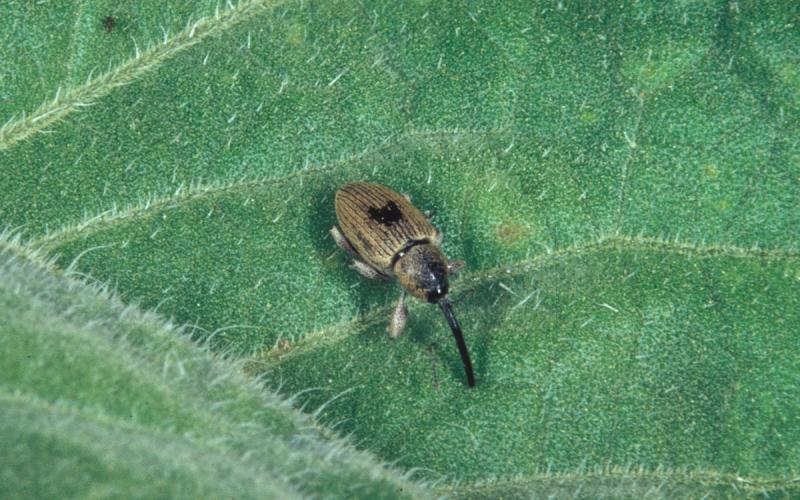
Did Malathion Effectively Manage Your Red Sunflower Seed Weevils?
Now that the August 31 deadline for the application of products containing malathion for red sunflower seed weevil management has passed, it is time to determine if the product was effective. South Dakota State University entomologists have received varying reports on this topic.