Search
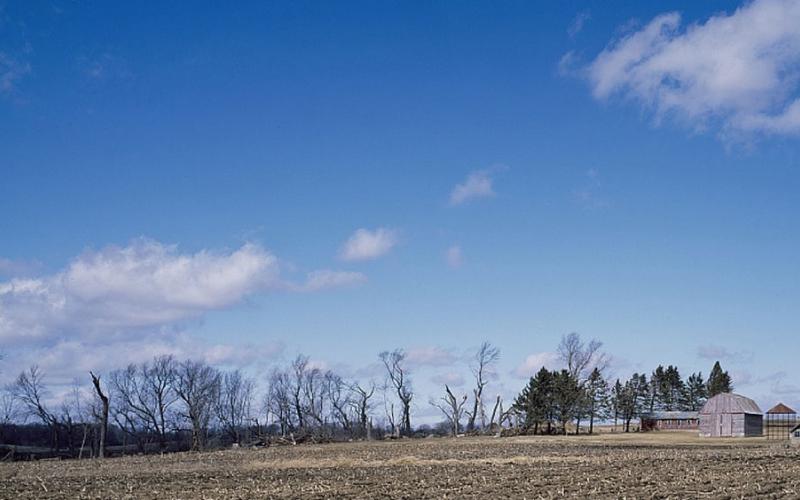
Planting Considerations for a Late Spring
Farm fields in some areas are unusually wet this year with many low areas under water. These conditions will make planting a challenge for farmers this year.
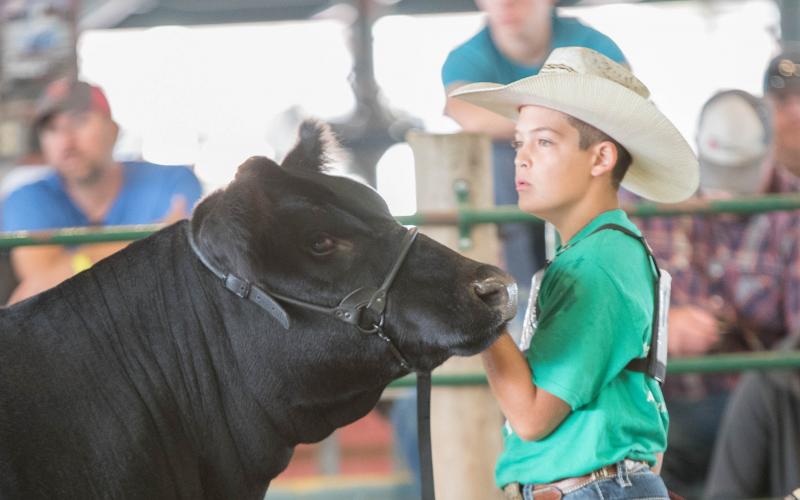
Why Tattoo Your 4-H Livestock?
Proper identification of animals helps create an honest record keeping system. With current DNA blood typing procedures animals can be identified through parentage, but when it comes to everyday practices on the farm or ranch a good tattoo can be a huge time saver in the event of a lost ear tag.
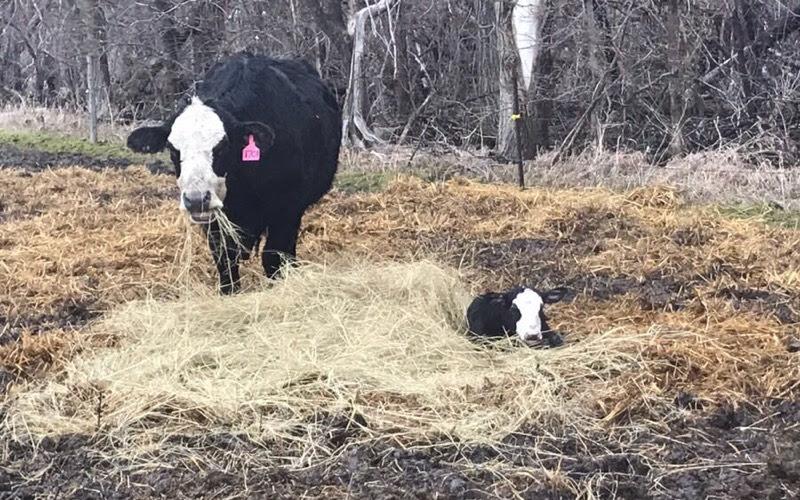
Planning for a Muddy Breeding Season
Early calving spring cow herds have wrapped up calving and are preparing for breeding season. If you are having flashbacks to breeding in the mud of 2018, try approaching this year with an open mind and review breeding season protocols with a “mud” backup plan.
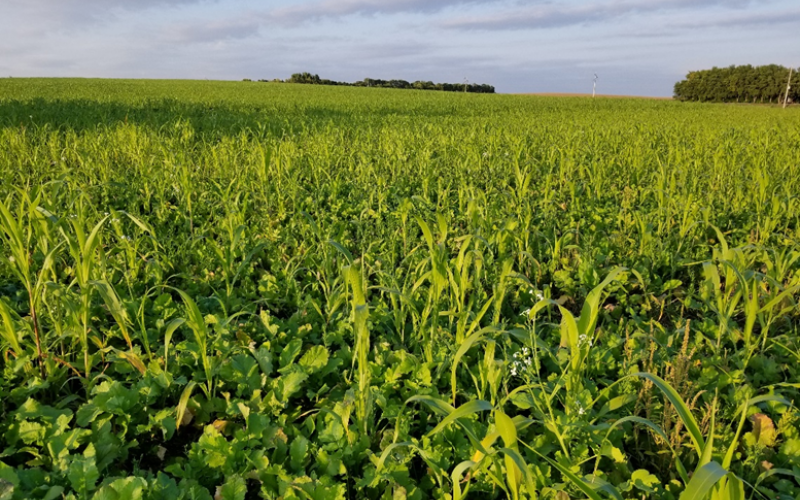
South Dakota Land Use Trends (2012-2017)
Significant education efforts for natural resource conservation have occurred in South Dakota during the last five years. Many stakeholder groups have brought awareness for soil health and water quality to the forefront.
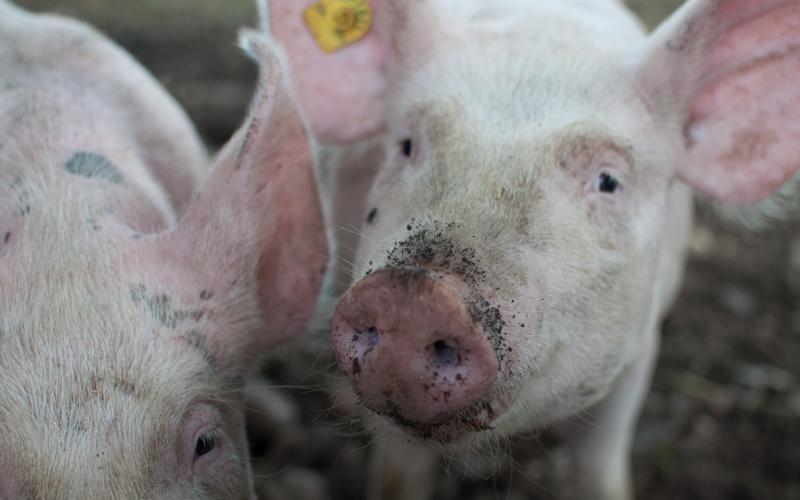
What Would African Swine Fever Look Like if it Hit the US?
The incursion and expansion of African Swine Fever (ASF) into China has raised concerns among producers and regulatory officials about the threat the disease may pose to the U.S. swine industry.

Strawberries in South Dakota
Learn how to grow junebearing or everbearing strawberries in home gardens.

2019 South Dakota Grasshopper Forecast
The USDA Animal Plant Health Inspection Service conducts an annual survey to monitor grasshopper populations in Western South Dakota. In 2018, SDSU conducted a survey to monitor populations in Eastern South Dakota. These previous-year surveys can be used as a prediction tool for where grasshoppers may be an issue during the upcoming season.
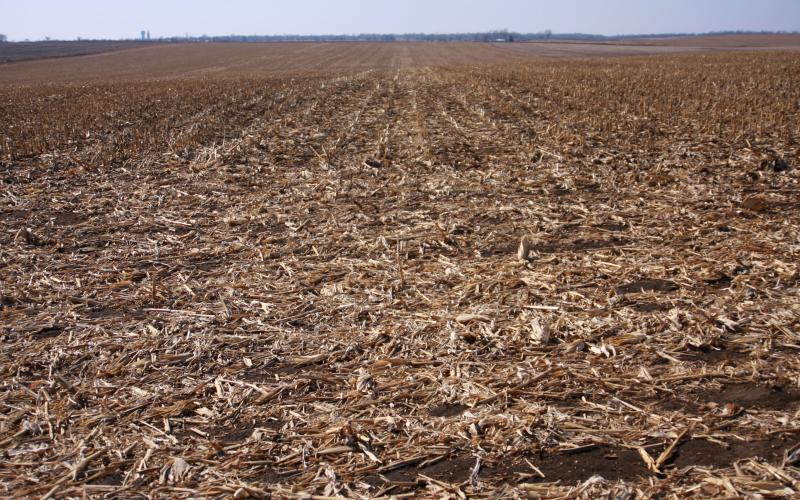
Planting Considerations and Resources for 2019
As May approaches, many farmers are preparing for row crop planting. In areas where flood waters have receded and soils are dry enough to begin field operations, farmers will likely be out in full swing soon.
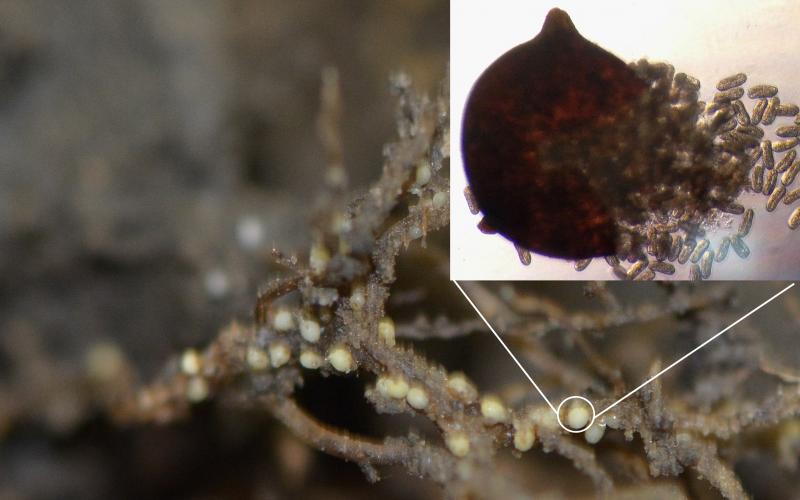
Test Your Soil for the Soybean Cyst Nematode (SCN) This Spring
The soybean cyst nematode (SCN) is a major soybean pathogen that causes significant yield loss. Fields that were not tested for SCN last year can still be sampled this spring to determine the presence of SCN or SCN population changes if testing was done in the past.
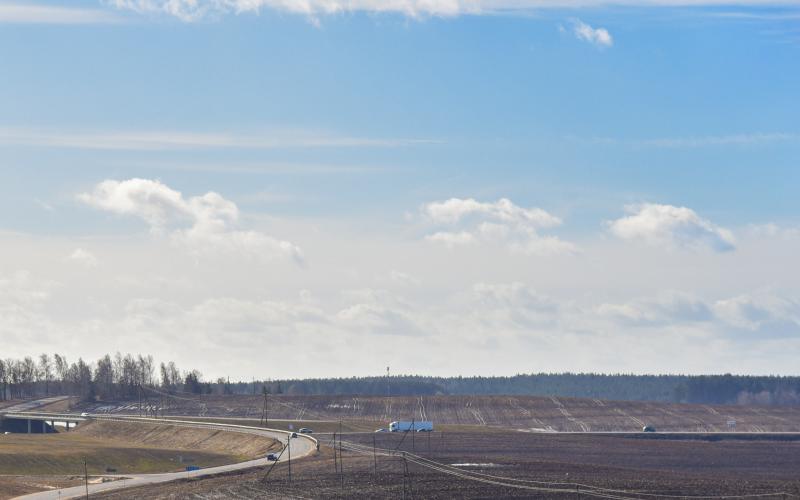
Spring Wheat 2019: A Repeat of Last Year?
The spring of 2019 has been cold and wet in many areas of South Dakota, similar to the spring of 2018. In 2018, despite the challenging weather, spring wheat acres were up 8% from 2017. However, planted acres in 2019 may be reduced as the extended weather forecast shows unfavorable planting conditions extending well into May.