Search
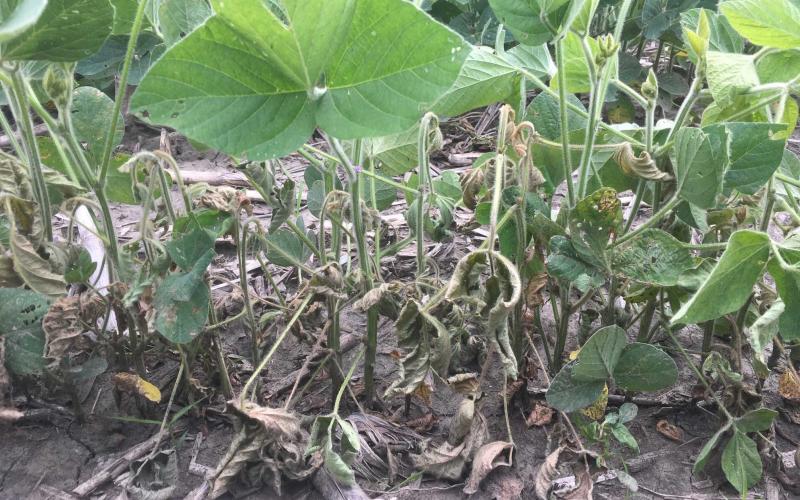
Soybean Gall Midge Larvae Found in South Dakota
Although we have yet to capture any adult soybean gall midges, the reports and observations of soybean gall midge larvae in soybean are pouring in this week. In Clay and Union counties, infested soybeans are now showing signs, with plants beginning to wilt and die in some cases.
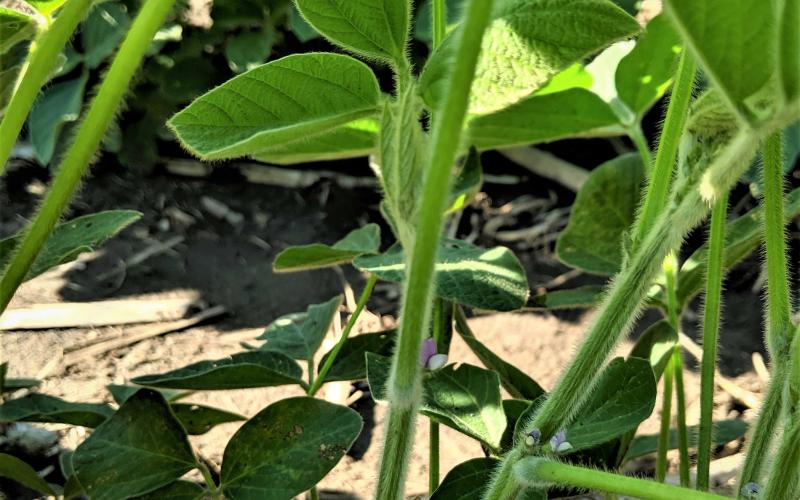
Current Weather Conditions Are Conducive White Mold Development in Soybeans
Frequent rains and overcast conditions continue to occur in South Dakota’s main soybean growing counties. These conditions favor white mold development. In some of these counties, soybean is already at R1, which is also the best timing for fungicide application targeting white mold control.

Ensuring Quality Milk Replacer Through Proper Storage
Milk is the source of nutrients in newborn mammals. When mother’s milk is not available, a milk replacer is utilized. To ensure the proper growth and health of the young newborn, it is critical provide a quality milk replacer and proper storage of this product is a key component for success.
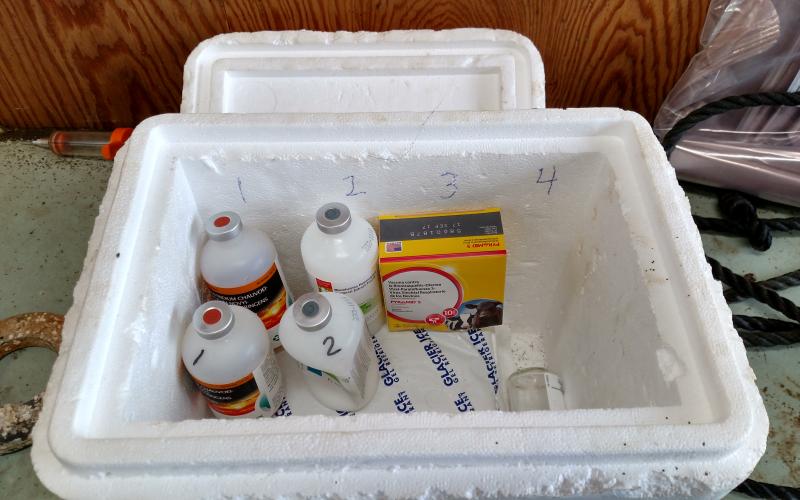
Keeping Your Vaccines Viable
Vaccines are a vital part of keeping all livestock healthy. Vaccines help in the prevention of disease, which results in less utilization of antibiotics due to fewer sick animals. A valid vet-client-patient relationship will help you as you select the vaccine of choice for your livestock health program.
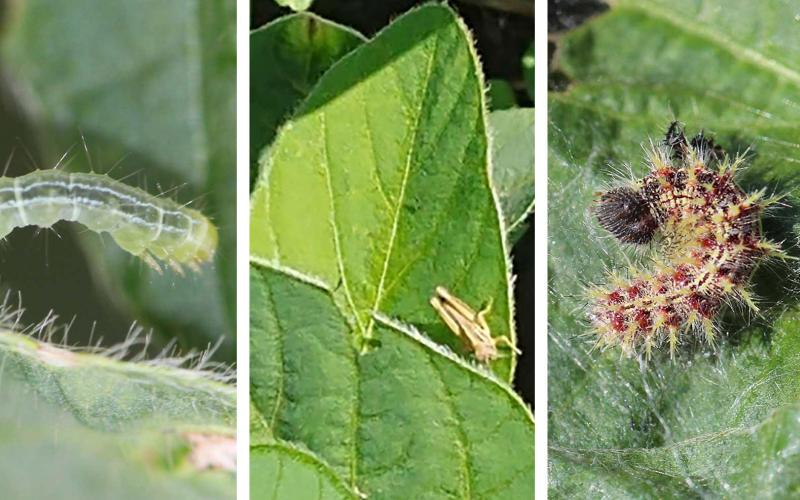
Monitor Soybean for Defoliating Insects
While scouting soybean this week I noticed quite a few defoliating insects that were present in the field. So far, the feeding injury is minimal, but it is a reminder that we need to be diligent in monitoring leaves for defoliation and fields for these insect pests.
![A herd of cattle gather around a stock pond on a vast, lush grassland. Courtesy: USDA [CC BY 2.0]](/sites/default/files/styles/teaser_800x500/public/2019-05/W-00231-00-cattle-grazing-grassland-pasture-range.jpg?h=8f818b46&itok=6GS1_Ww0)
SDSU Extension co-sponsoring Range Beef Cow Symposium for cattle producers
October 27, 2023
Colorado State University’s Department of Animal Sciences will host the 28th Range Beef Cow Symposium on Dec. 13-14 at The Ranch in Loveland, Colorado. There also will be a pre-symposium Beef Quality Assurance training on Dec. 12.
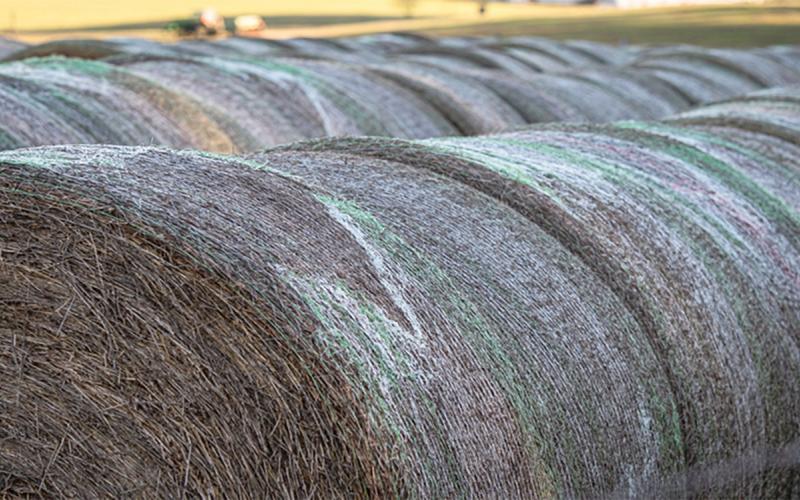
Best Management Practices for Reducing Dry Hay Storage Loss
When hay prices are high, proper storage is financially important. Learn some best management practices to reduce storage loss and ensure an adequate forage supply.
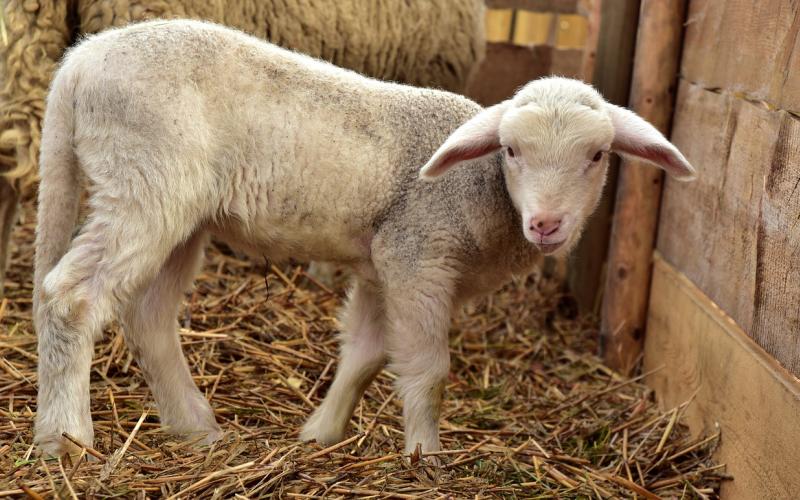
Importance of Lamb Nutrition Management to Avoid Acidosis
Acidosis (also known as lactic acidosis, grain overload, over-eating or grain poisoning) is a metabolic condition that most commonly occurs with lambs offered grain based diets, but can affect mature sheep.
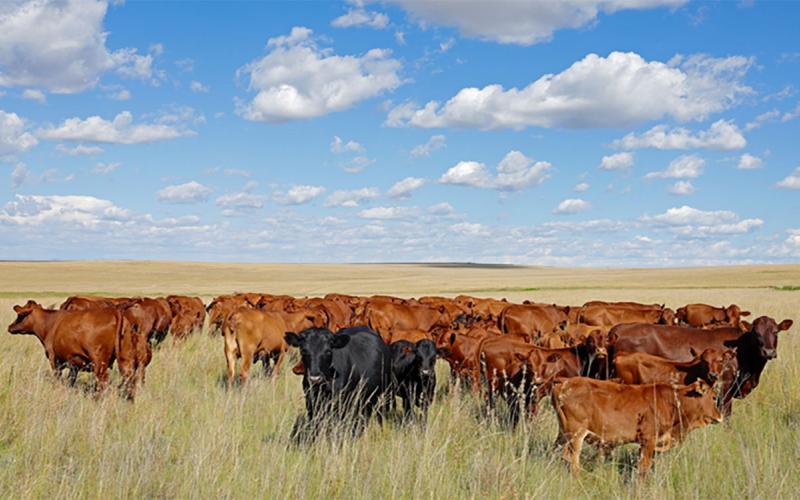
History and Current Value of the Range Beef Cow Symposium
In December 1969, four extension specialists from Colorado, Wyoming, Nebraska, and South Dakota developed a symposium to provide cutting edge information to beef cattle producers. Years later, this valuable tradition continues at the biennial Range Beef Cow Symposium.
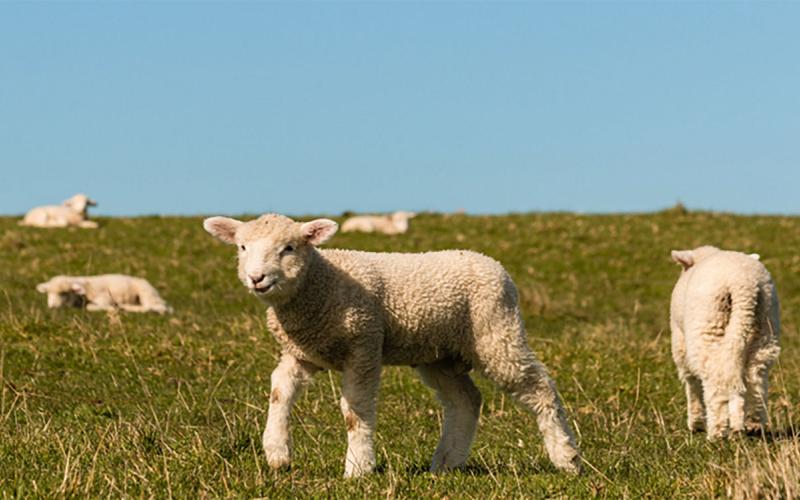
Breeding Ewe Lambs
Breeding ewe lambs can lead to an increase in the long-term flock productivity and profitability. Learn some expert tips to help determine whether breeding ewes is the right fit for your operation.