Search
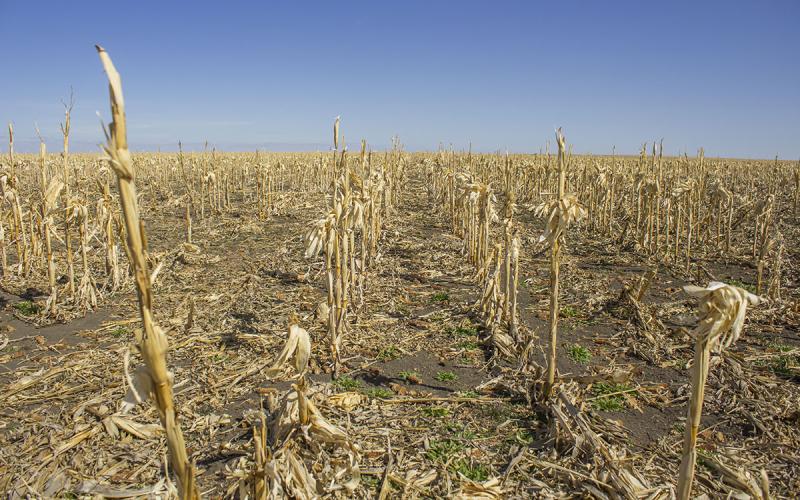
Watch Temperature Forecast Before a Burndown Herbicide Application
As planting season approaches, no-till fields will likely need a burndown herbicide application to manage the established winter annual and early emerging summer annual weeds.
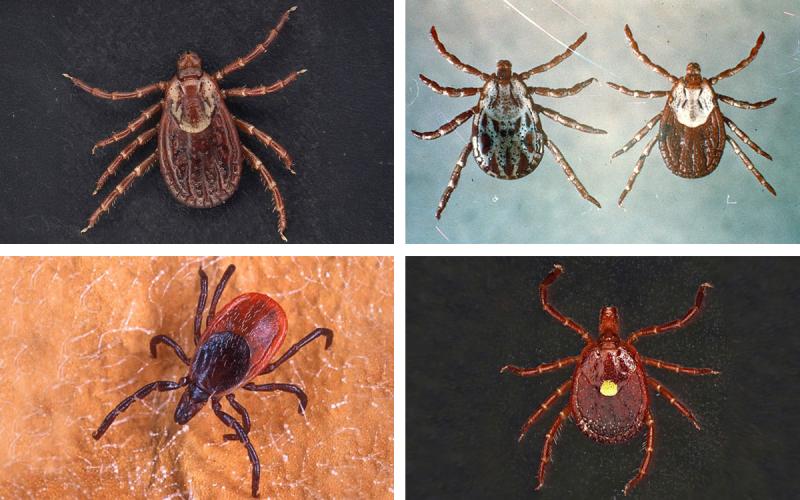
Spring is here, and so are the ticks!
As spring continues to bloom, more arthropods will begin to emerge from winter dormancy. Ticks are among the first to appear, and statewide reports have already been flowing in.
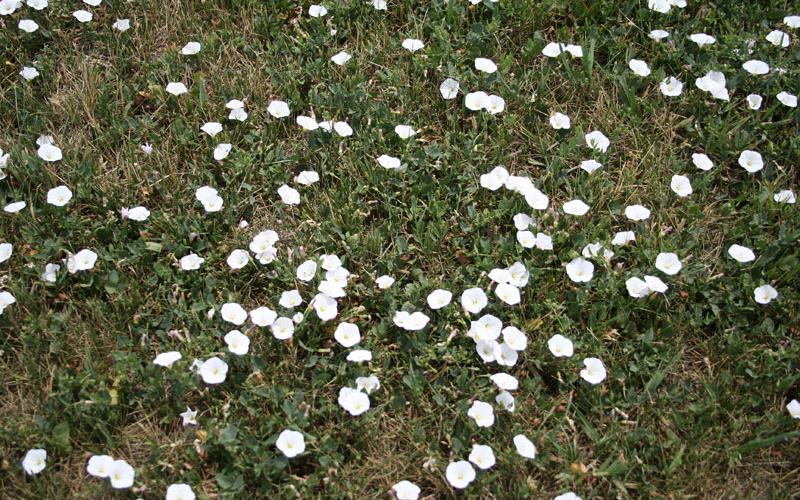
Lawn Weed Control
Cultural weed control practices must be included in weed management programs to optimize control and inhibit re-infestation. A healthy, dense turf cover is the best overall defense against weed invasion. Some common cultural weed control practices include planting the most adapted turfgrass species for your environment (i.e. shade, full sun, or hot, dry conditions), maintaining a mowing height of 2.5–3.5 inches, watering deeply but less frequently, and proper soil maintenance including fertilization and core aerification.
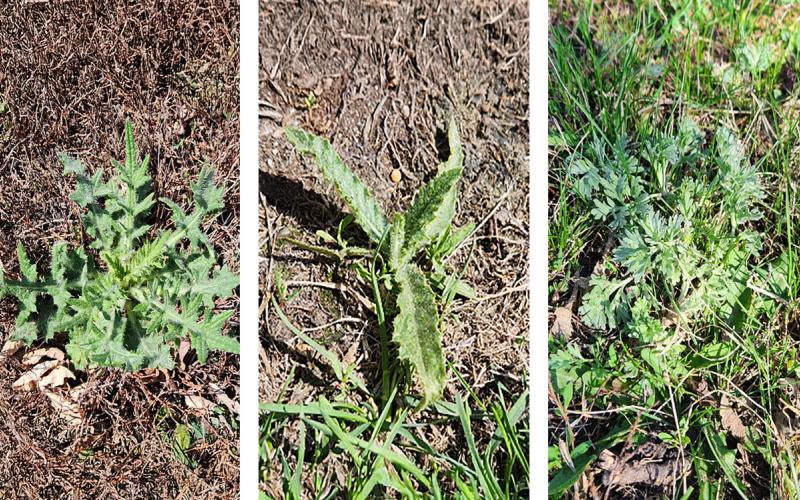
Noxious Weeds Have Germinated in East River South Dakota
Seasonal conditions have been favorable for weed germination, including biennial thistle, Canada thistle, and absinth wormwood. Learn some tips for scouting, identifying, and managing these noxious weeds before they become a problem.
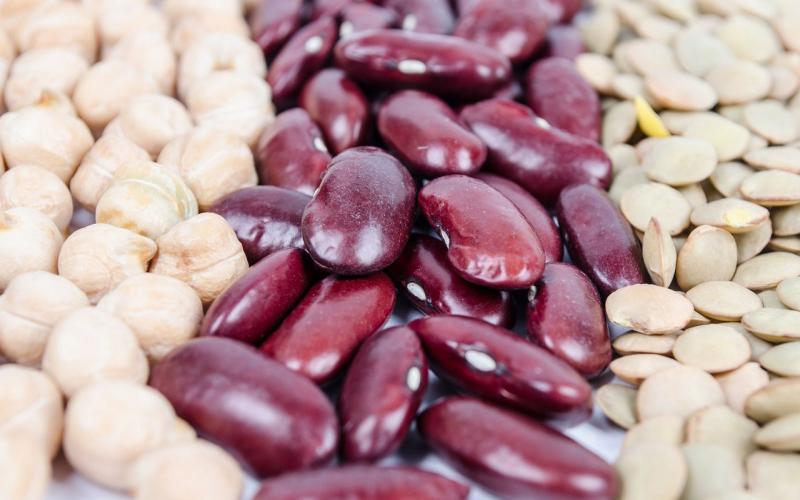
Healthy Bean Recipes for Eating on a Budget
Cookbook highlighting beans in both traditional and creative low-cost recipes.
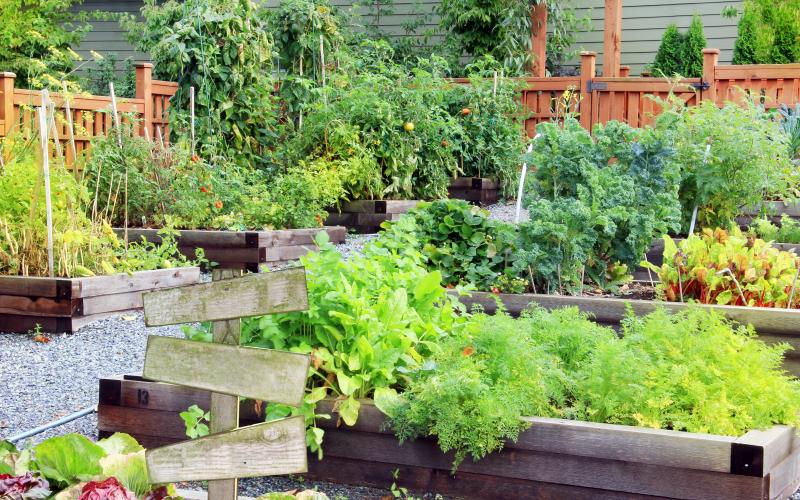
Fire Blight
Fire blight is a disease that can infect apples, pears, and certain ornamental species including crabapples, cotoneaster, and mountain ash. Occasionally it may also appear on cherries, plums, Juneberry (also called Serviceberry or Saskatoon), and raspberry. This disease, caused by the bacteria Erwinia amylovora, can damage blossoms, fruit, leaves, shoots, and branches. If it is not controlled, fire blight may kill the entire tree or shrub. Infected tissue cannot be cured, but will need to be removed from the tree to prevent further spread.

Broccolini Performance in Three Established Clover Living Mulches in Eastern South Dakota: Year Two Results
Research report determining the impact of three established clover species on weed suppression, crop growth, and broccolini yield in year two.
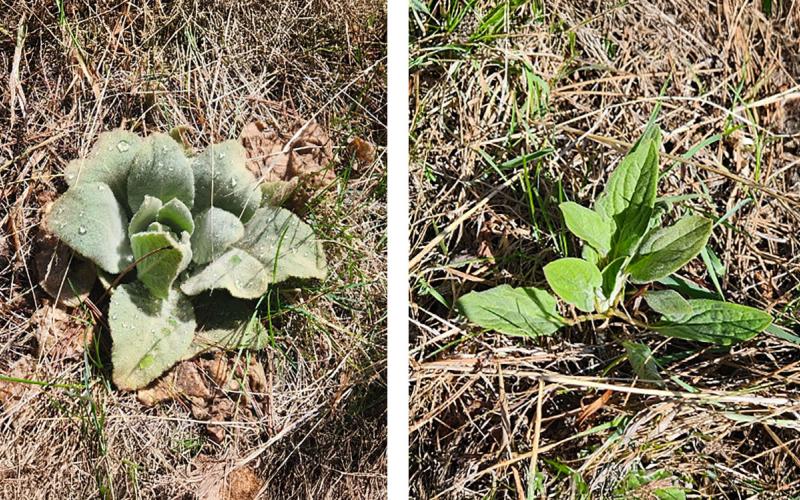
Common Mullein and Houndstongue Have Germinated in the Black Hills and Surrounding Areas West River
Two biennial species, common mullein and houndstongue, have germinated and begun to grow in the Black Hills. Now is the time to scout and determine where areas need attention to manage these species and other weeds.

SDSU Extension hosts spring challenge to encourage physical activity
April 25, 2025
South Dakota State University Extension is hosting a 2025 seasonal activity challenge called Spring Into Step to encourage physical activity.
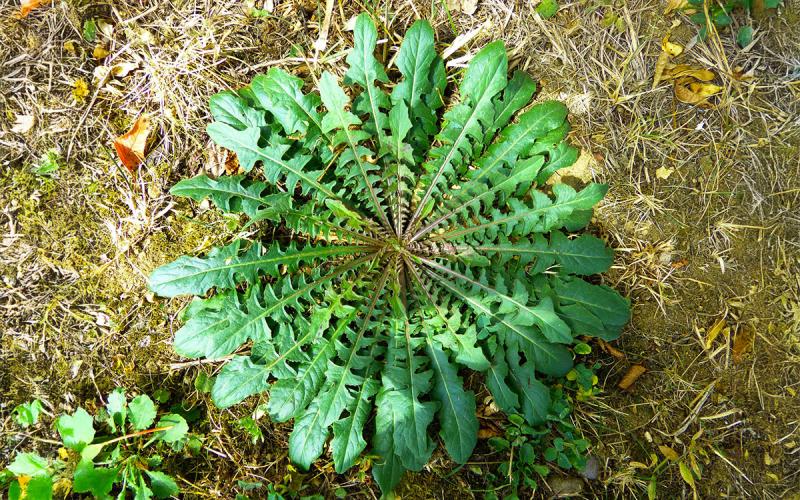
Spring Dandelion Control
If dandelions are present on your property this spring, an herbicide application may be worthwhile, because it can kill above-ground growth, meaning a reduced likelihood for seed production that will worsen problem.