Search
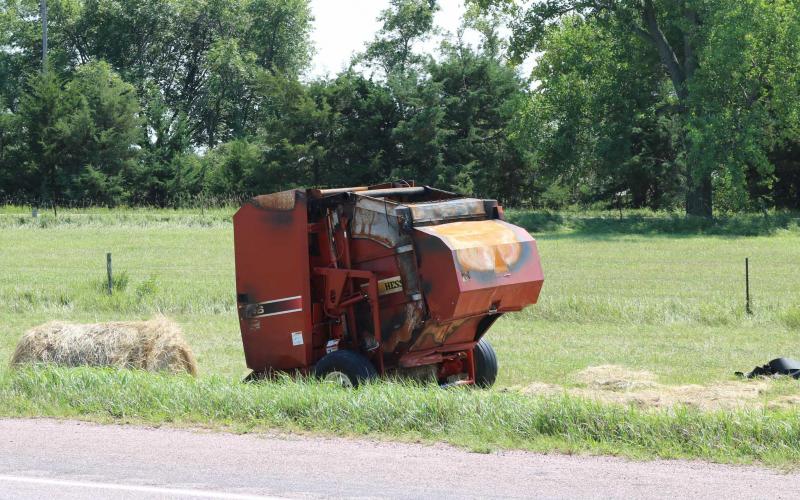
Preventing an Unwanted Baler Fire
Forage harvesting for hay will soon be upon us, and we need to take the time to prepare our equipment and ourselves for a safe and successful forage harvest when utilizing a baler.
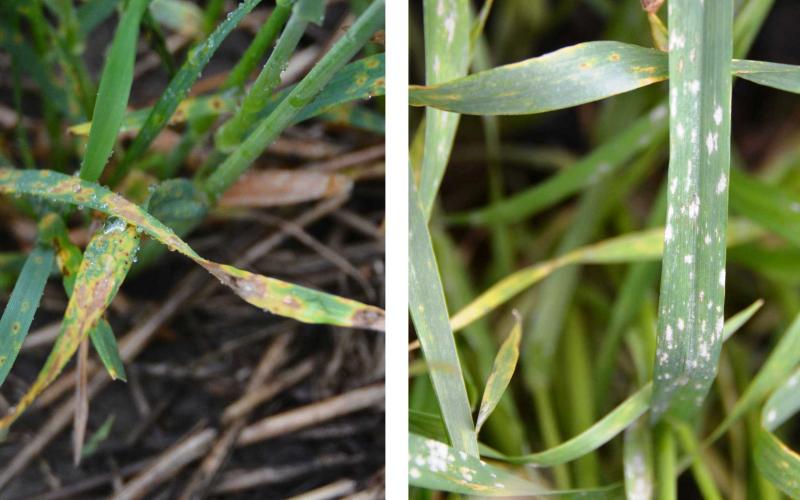
Does Early Fungicide at Tillering Result in a Profitable Yield?
Tan spot and powdery mildew pathogens are two residue-borne pathogens that can infect wheat early in the season. These diseases can lead to poor tillering, and their continued development can lead to yield loss.
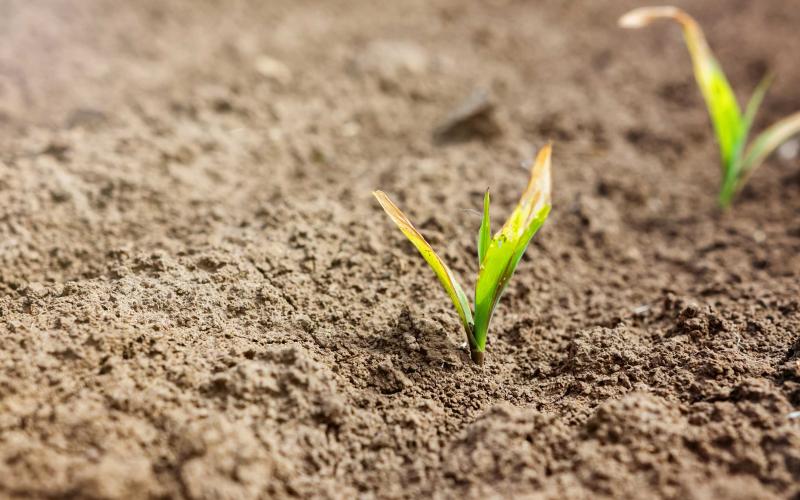
Low Temperature Damage to Corn and Soybean
Temperatures are forecast to reach 32°F or lower in large areas of South Dakota for several nights beginning on May 7, 2020. While a relatively low percentage of planted crops are likely to be emerged at this point in time, producers may still want to evaluate individual fields for crop damage.
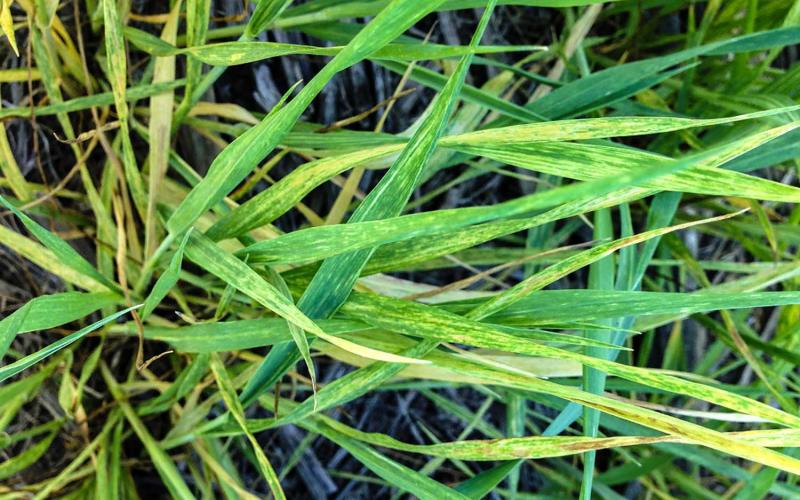
Wheat Streak Mosaic Disease Developing in Winter Wheat
Although the majority of winter wheat in the state is rated good to excellent in the recent USDA-NASS report, a few winter wheat fields in Central South Dakota have been diagnosed with wheat streak mosaic disease (WSMD) caused by wheat streak mosaic virus (WSMV).
Harvesting and Storing Pumpkins and Winter Squash
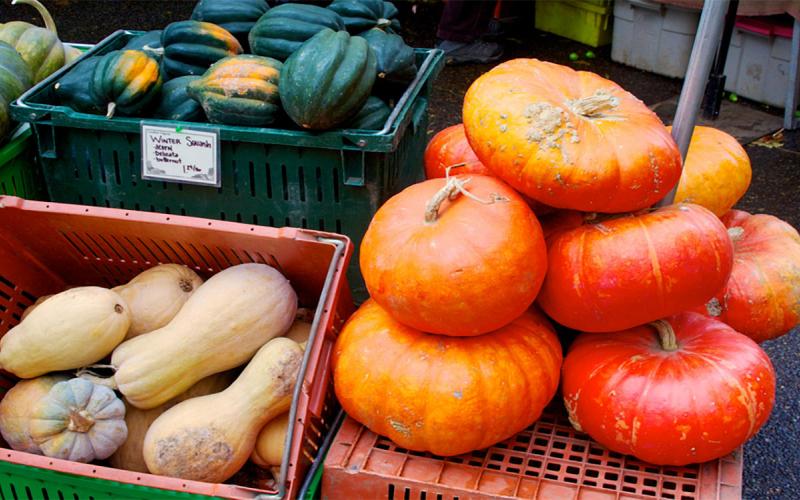
The gardening season will soon come to an end, but we can still enjoy pumpkins and winter squash well into the winter months if we take some extra care during the harvest and storage process.
Corn Emergence During Cold Weather
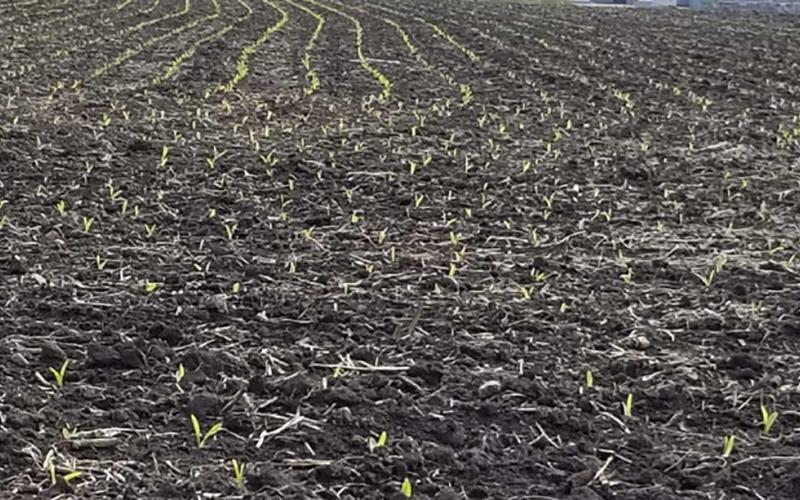
After a very welcome warm and relatively dry April, the month of May has brought winter-like temperatures again to South Dakota. Due to cold and wet conditions, concerns of the cold temperatures have been expressed by producers who have recently planted corn.
Effects of Late Spring Frost on Alfalfa
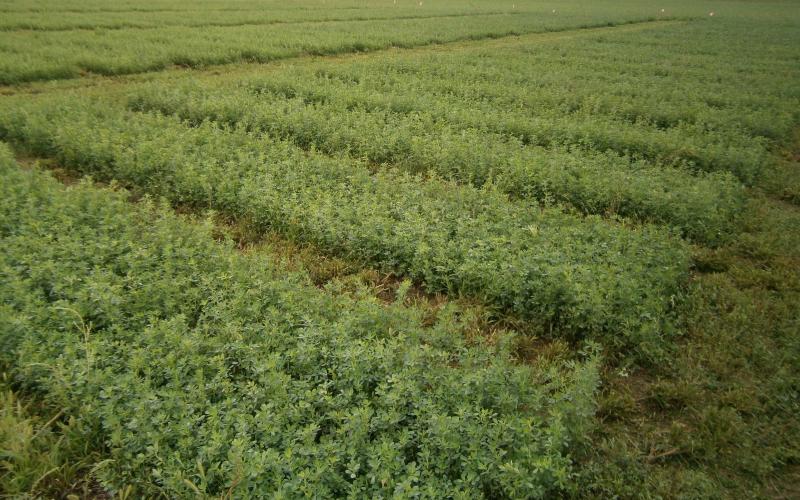
Forage research indicates that, although alfalfa is considered to have good cold temperature tolerance, minor frost damage may occur when plants are exposed to air temperatures slightly below freezing for several hours, and more severe damage will be seen when temperatures drop below 25°F for four or more hours.

What is This Fruit… And is it Edible?
In mid- to late-summer, we often get the questions: “What kind of fruit is this?” and “Is it edible?” To identify a fruit, it is helpful to know both plant and fruit characteristics: Woody or herbaceous plant? Vining or upright? Do the leaves attach to the stem opposite each other (i.e., paired), or do they alternate from one side of the stem to the other? What size and color are the fruit? Is each fruit’s stem attached directly to the twig, or are they in a cluster that attaches to the twig? And, one question I find often helpful in distinguishing among smaller fruits, does it have a single pit, or are there several seed in each fruit?

SDSU Basis Report: Monitoring Agricultural Market Dynamics
The SDSU Basis Report application provides an interactive platform for monitoring basis values, representing the difference between the cash price paid for grain locally and the nearby futures price.
Low Temperature Effects on Winter Wheat
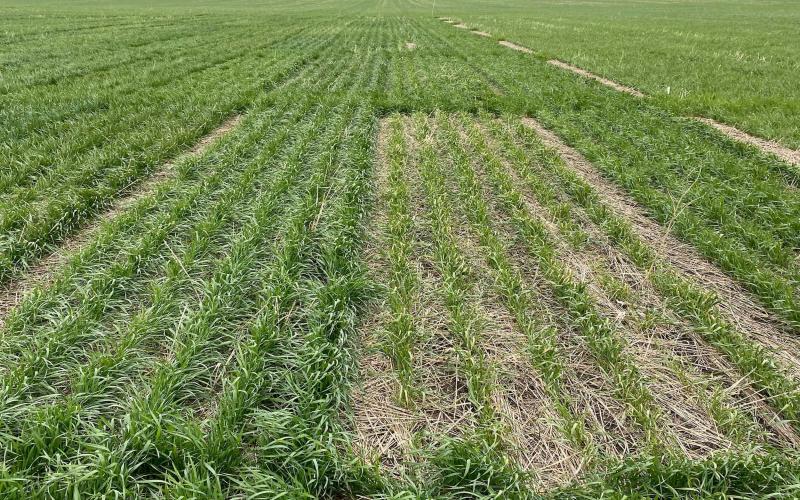
Low temperatures during the early morning hours of May 9–11, 2020 may have had detrimental effects on winter wheat in some areas of South Dakota. However, cooler spring temperatures that have slowed the winter wheat development this year may have actually been beneficial to S.D. producers, as later-maturing wheat is not as susceptible to injury from freezing temperatures.