Search
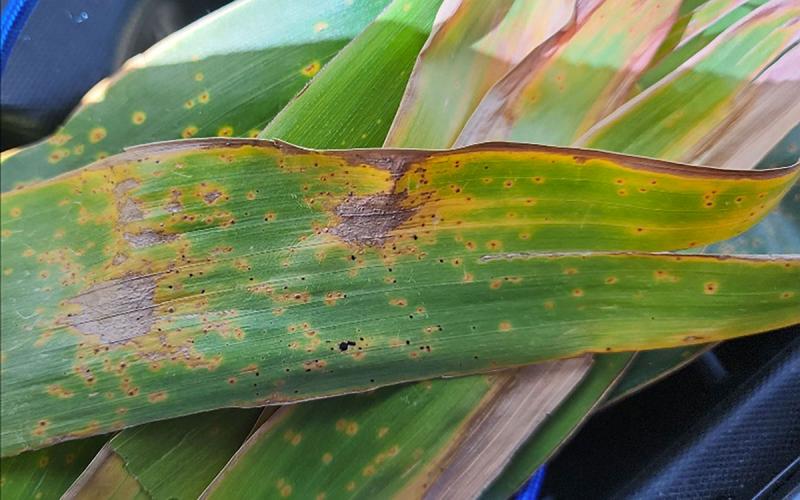
South Dakota Tar Spot Update: September 30, 2024
As of September 26, 2024, our researchers have confirmed the presence of tar spot in 25 counties across the eastern half of South Dakota. The severity of infection has varied anywhere from less than 1% to approximately 20% on individual corn plants.
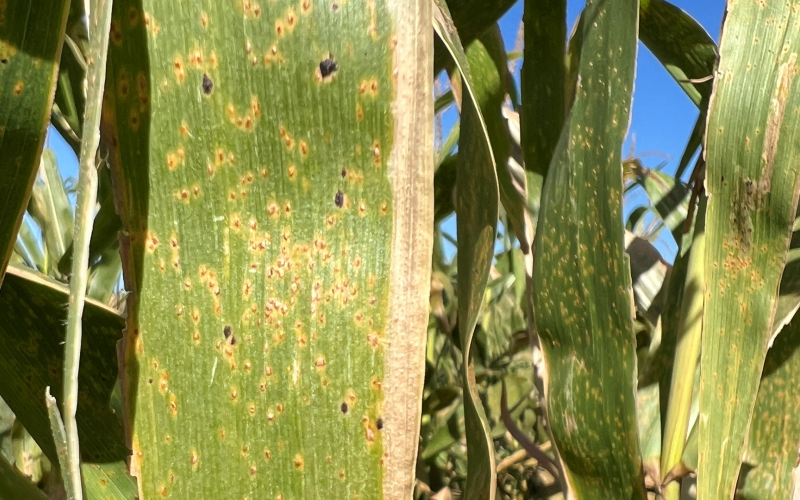
SDSU Extension to host disease scouting workshop for corn, soybeans
October 01, 2024
If you have been wondering what you’re seeing in your corn or soybean fields this season, join the SDSU Extension plant pathology team in Volga to see tar spot in the corn field and white mold in the soybean field, or to have your own diseased plant material identified.
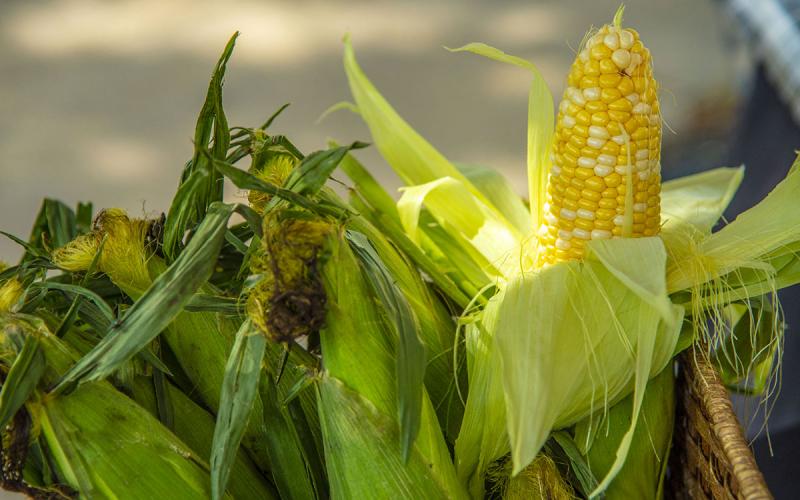
Growing Sweet Corn Successfully in South Dakota
Sweet corn is a staple crop with many different varieties, which each bring their own unique qualities influencing flavor, texture, and shelf life. Learn some expert tips for growing it in South Dakota gardens!
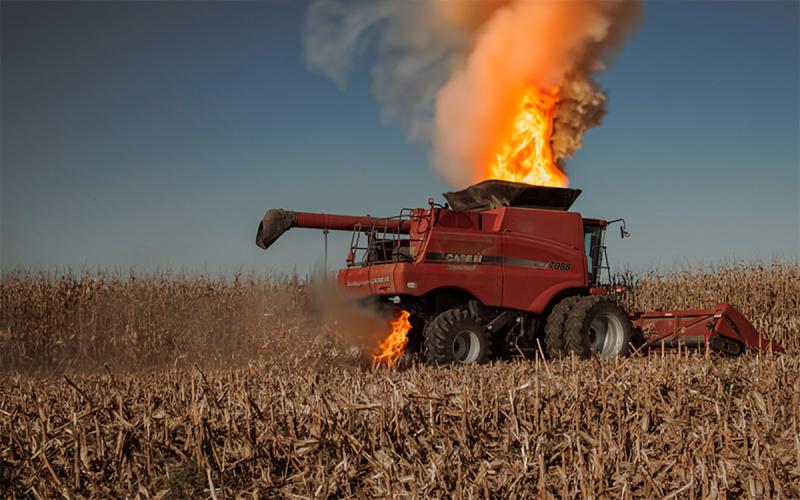
Harvest Time Equipment Fires
Dry weather conditions have led to many equipment fires this harvest season. Learn some expert tips for preparing your equipment and fields for a safe harvest, along with insurance considerations before and after a fire event.
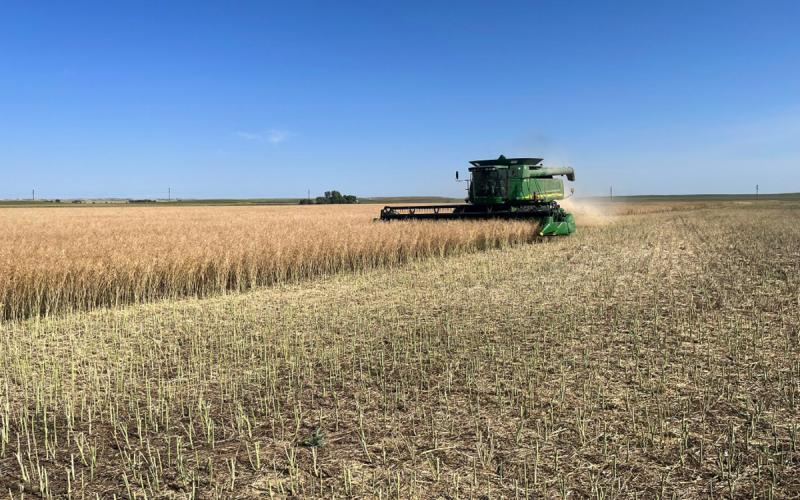
Broadleaf Considerations for West River South Dakota Cropping Systems
Selecting the right crop rotation is crucial in West River South Dakota, where water use efficiency is important. Learn some key factors to consider when selecting broadleaf crops for rotations and see what some farmers in the region are already planting.
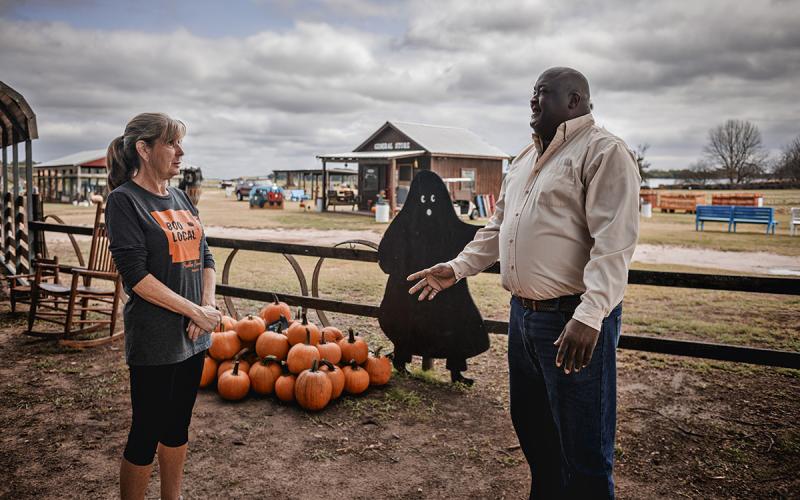
Agritourism Provides Economic Benefits
Not only can agritourism support communities by generating income, agritourism has the potential to create jobs and support local economies.

Growth and Quality of Four Zinnia Cultivars Grown in Eastern South Dakota
The purpose of this study was to assess the production and quality of four zinnia cultivars grown in eastern South Dakota to support local specialty cut flower growers in their operations.

SDSU Extension publishes zinnia research for cut flower producers
October 18, 2024
Kristine Lang, assistant professor and SDSU Extension Consumer Horticulture Specialist, managed the research trials. Over two years, Lang and her team monitored the growth and quality of four popular zinnia varieties: Zinderella Peach, Oklahoma Ivory, Queen Red Lime and Benary’s Giant Purple.
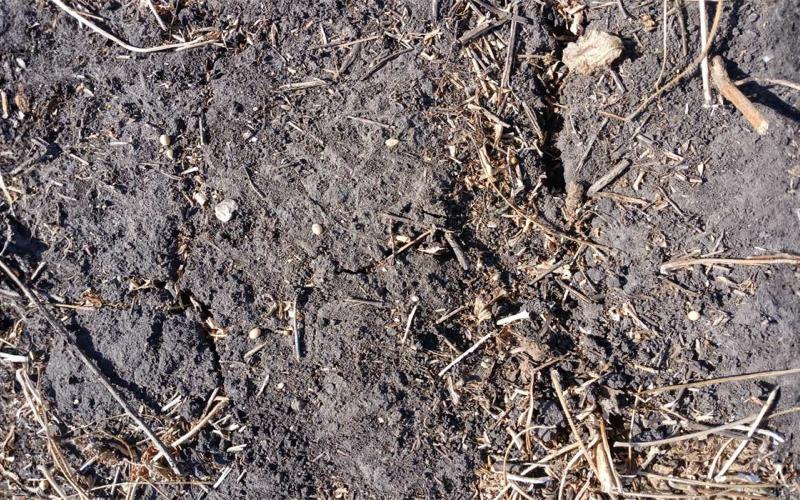
Fall Tillage: Please Don’t Think About It
Conducting fall tillage results in lost topsoil, soil nutrients, and soil moisture. This ultimately leads to reduced soil productivity and profitability. An easy way to conserve topsoil and water resources is to skip fall tillage.
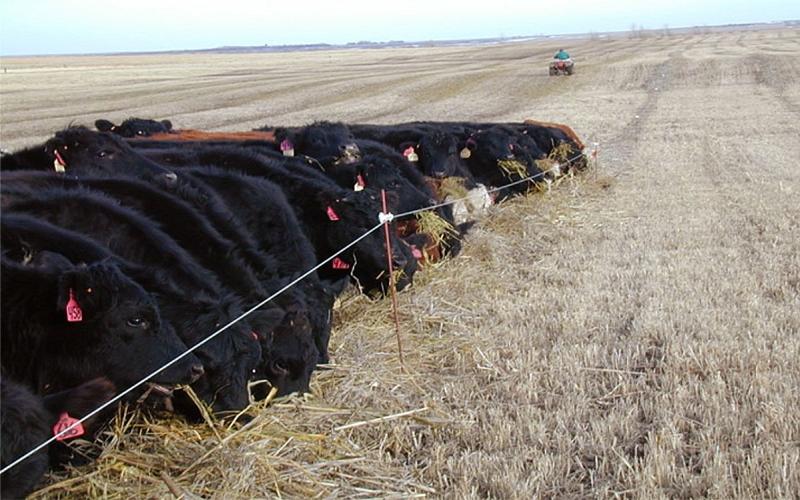
SDSU Extension to host annual soil conference in Wagner
October 18, 2024
Managing Soil: Maximizing Profit is an annual conference for crop producers and industry professionals. Anthony Bly, SDSU Extension Soils Field Specialist, said the conference provides valuable information for everyone who raises crops, forages and livestock.