Search
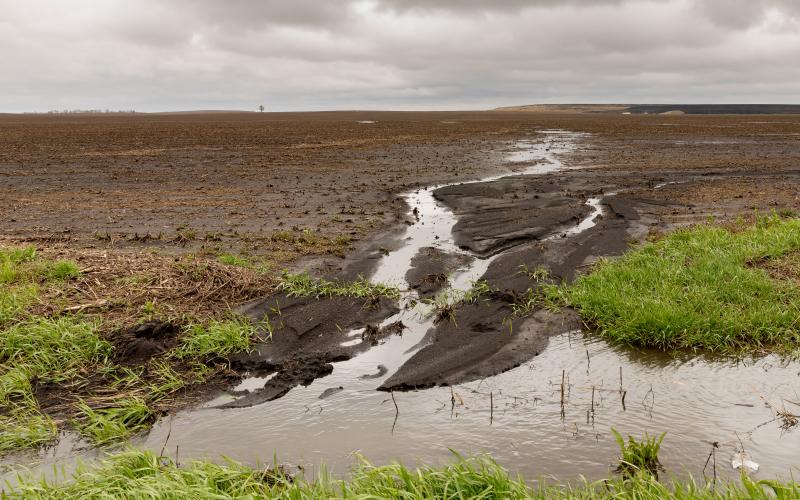
Is Herbicide Carryover a Concern in Wet Weather?
Wet conditions have forced the need to change planting plans. In some cases, crops are planted in areas that were not planned for that crop this year. One factor in moving crops that cannot be overlooked is carryover. Does the ground to be planted have a carryover restriction for the desired crop to be planted?
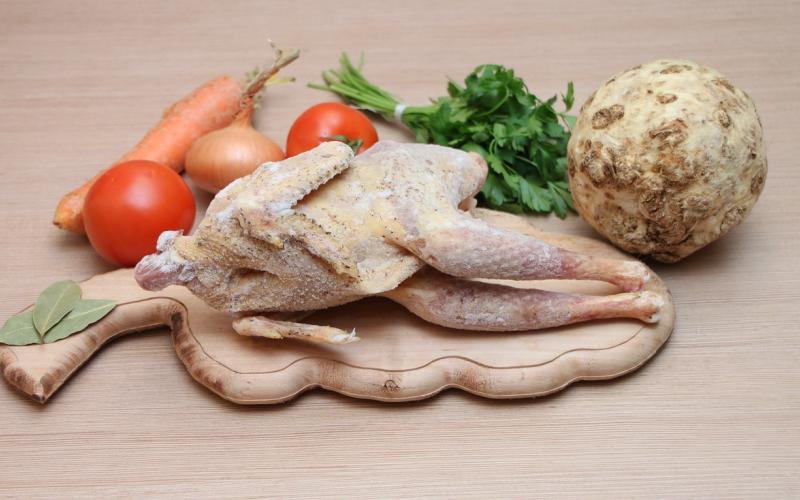
Selling Poultry at a Farmers Market in South Dakota
Poultry exemptions can be difficult to interpret. This article was developed to address some of the questions small growers may have regarding poultry exemptions for selling at the farmers market in South Dakota.
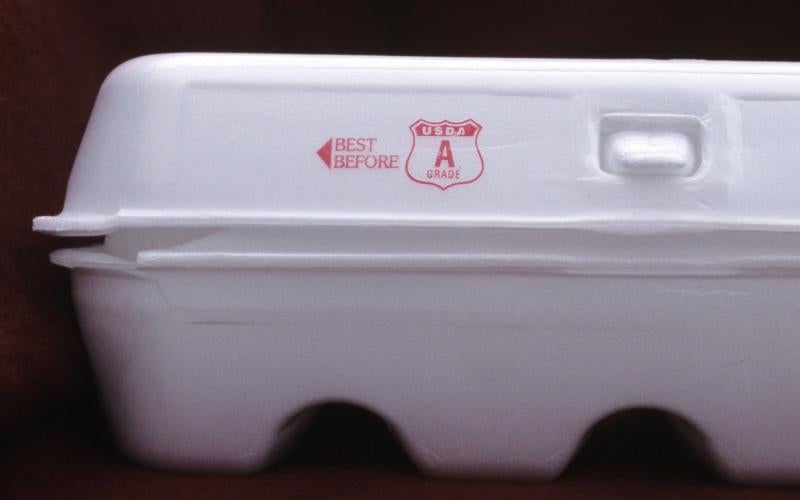
Selling and Distributing Eggs in South Dakota
If planning to sell eggs in the state of South Dakota, an egg dealer license must be obtained annually. The application for this license can be found and printed from the South Dakota Department of Agriculture’s Form Finder website.

Guidelines for Serving Samples at the Farmers Market
One way to increase sales at the farmers market is to offer samples. Vendors need to plan ahead to make sure they are in compliance with sampling regulations.
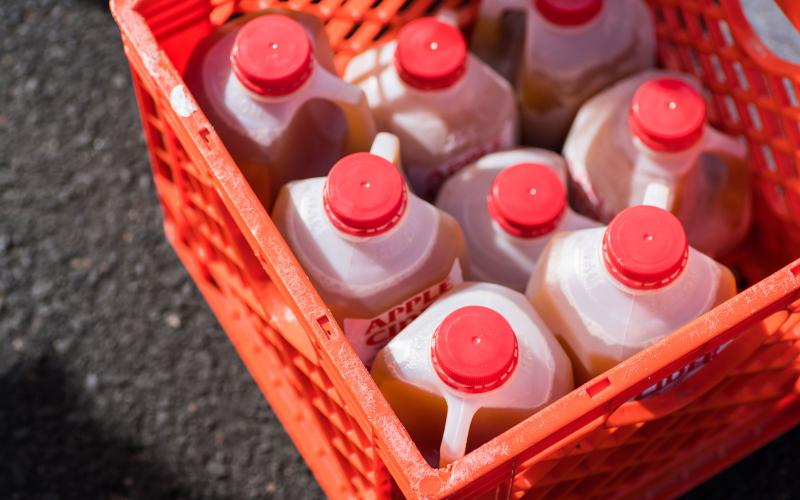
Direct Marketing of Fruit and Processed Fruit Products by Growers and Food Processors at Farmers Markets Within the State of South Dakota (Intrastate)
Growers and food processors that market fruits at the farmers market often have questions regarding the regulations for selling fruit products. The regulations are in place to address the food safety risks associated with different fruit products and the manner in which they are marketed.
Food and Product Regulations for the Farmers Market
Food safety regulations can come from the federal, state or local government. This article provides information on numerous regulatory topics as they apply to vendors and market managers involved with farmers markets.

Decisions for Farmers Market Setup and Operation
Farmers markets are unique because they represent multiple, individual vendors under a single name, location and organizational identity. Before the first selling day, a farmers market will need to do many of the things that each vendor does for their farm. For example, selecting a name and creating a logo for the market.
Food Safety from Production to the Farmers Market
Food safety is an important issue at farmers markets. Customers expect the food and products they purchase to be grown and handled so that they will be safe to consume. Vendors have a responsibility to grow and handle food using good food safety practices.
Stretching Corn Silage Supplies
During the 2002 drought there was a need to stretch corn silage supplies as a result of the drought that affected the U.S. Now we deal with the opposite scenario, where excessive spring rains have not allowed farmers to get to the fields. In both situations livestock producers face challenges.
Distillers’ Grains and Rumen Papillae Growth
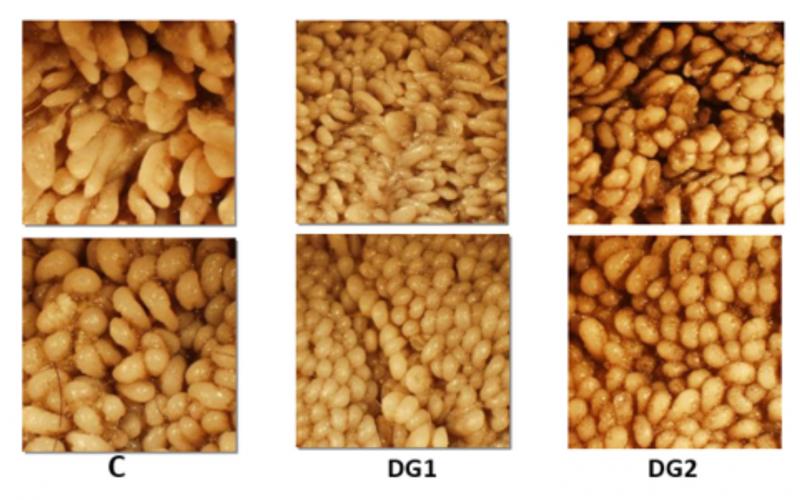
Distillers grains are without a doubt one of the most versatile ruminant feedstuffs. Aside from their high concentration of sought-after nutrients (i.e. protein, energy, phosphorus), their impact on the digestibility of other feeds is minimal. In fact, by not interfering with the digestion particularly of structural carbohydrates, they allow for more energy to be obtained from forages.