Search
Sheep Breeds
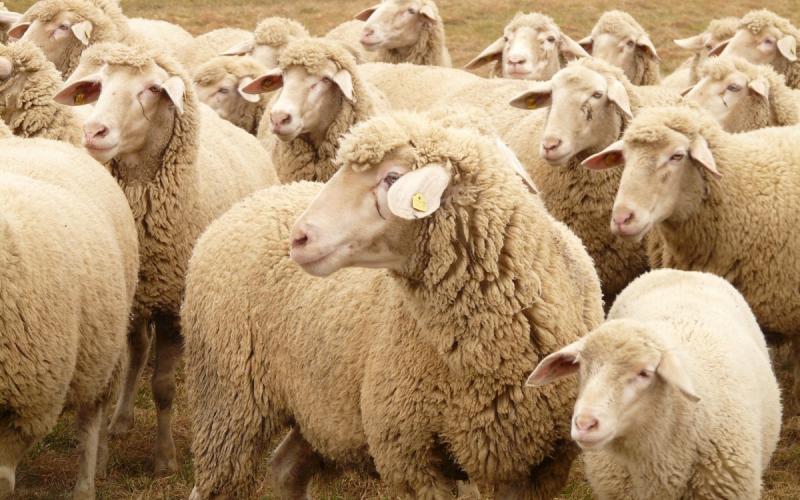
Everyone has heard the fairytale “Baa Baa Black Sheep Have You Any Wool?” but what about the double-coated California Red, the multi-colored Katahdin sheep with hair, or the East Friesian dairy ewe that produces over 1,100 pounds of milk a year? Sheep come in different shapes, sizes, and colors and all of them provide different functions and uses for producers. These can range from meat, wool, and milk production or a combination of characteristics.
It’s Showtime, Get Your Show Box Ready!
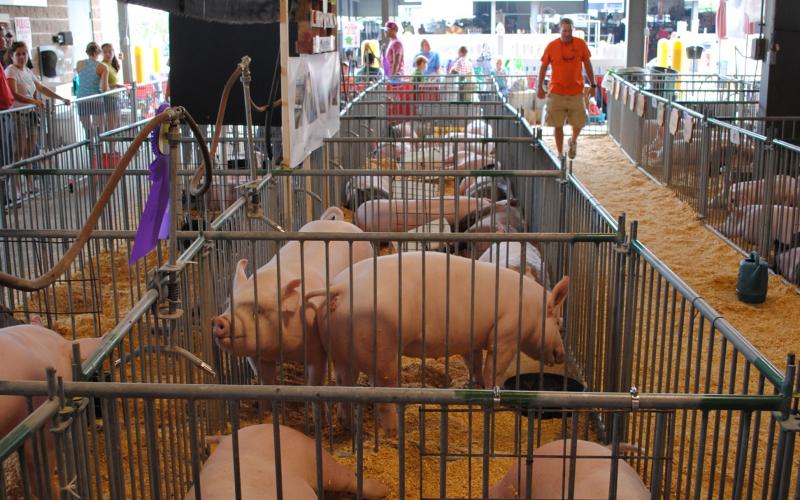
It’s time to head off to the show, but before you can go everything needs to be loaded into the truck and trailer. You get a supply of feed and hay, load some bedding, put in a fan, add the trimming stand and now it’s time for the show box.
Reed Canary Grass: Possible Prussic Acid & Alkaloid Issues
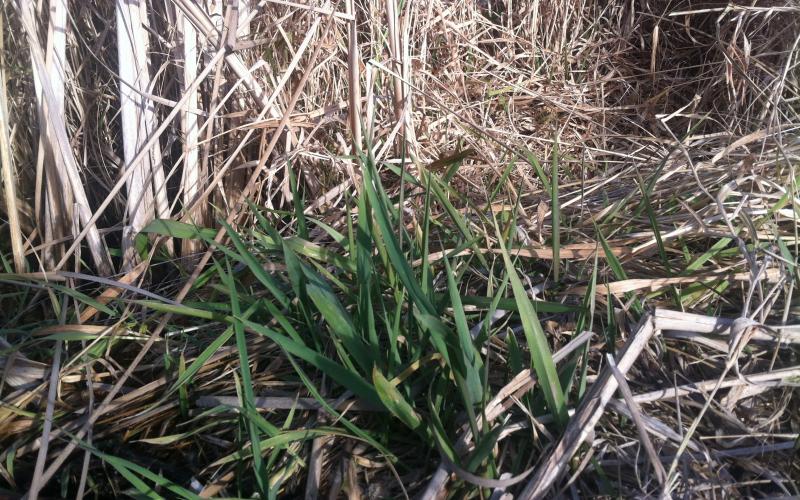
Prussic acid issues with reed canary grass are poorly understood and may go unrecognized if they occur. This article addresses a little-known but interesting aspect of the biology of reed canary grass.
Silage: Minimizing Losses and Maximizing Value
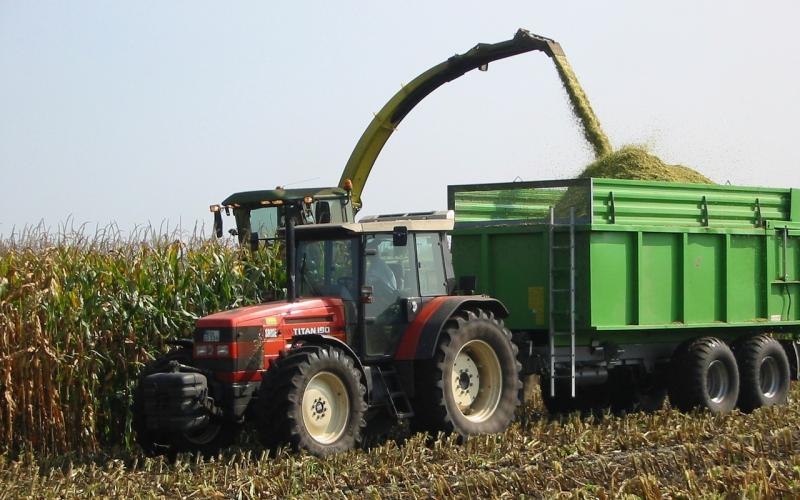
Optimizing silage value starts by harvesting at the right moisture content.
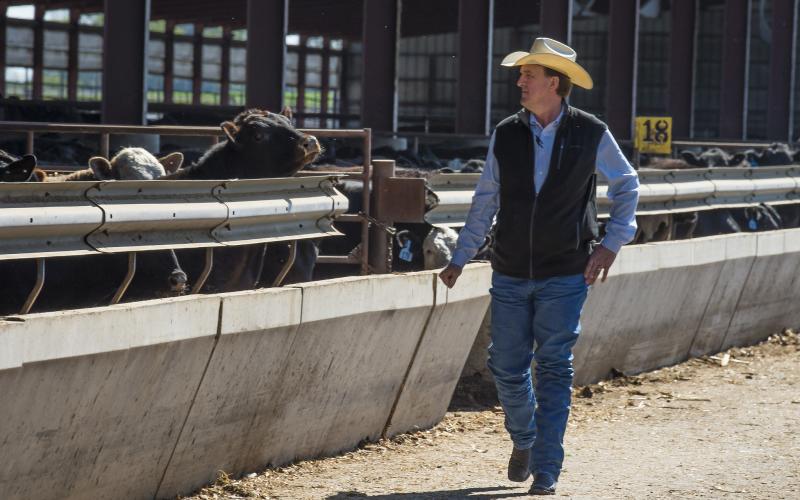
Making Use of “Ugly” Feeds
Feed does not have to be perfect to be useful. The key to making smart feeding decisions is knowing what the imperfections are and adjusting accordingly.
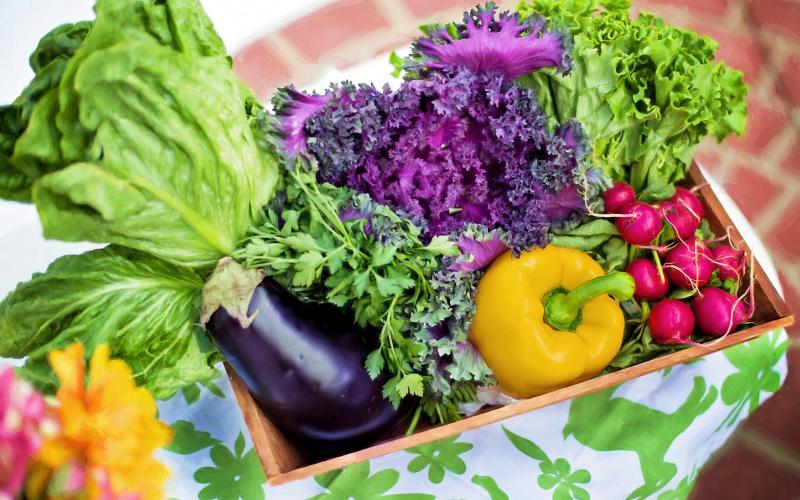
Family Fun With Gardening
Gardening is a fun way to incorporate physical activity into your day, and is a great way to connect kids to where their food comes from!
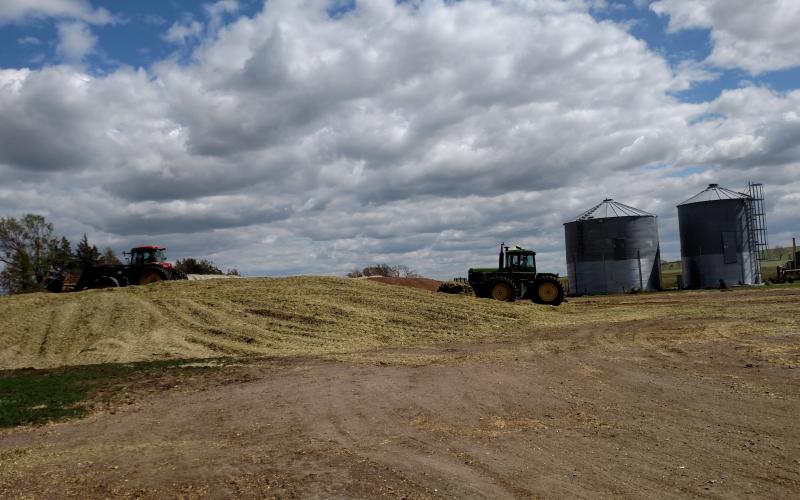
Silage Moisture Testing Tips
Two key points to keep in mind when making high-quality silage are moisture content before harvest and nutrient content before feeding.
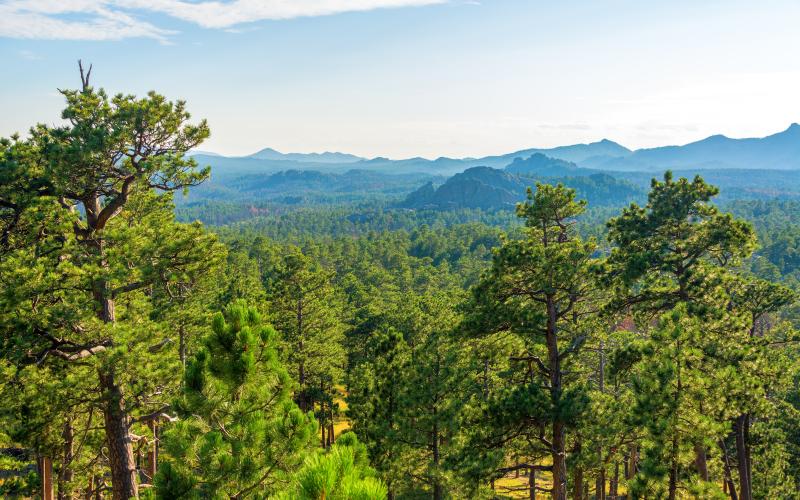
Junior Arborist Activity Guide
The Junior Arborist Activity Guide provides objectives, content, equipment and supplies needed to complete 8 modules of arboriculture instruction, helping schools and other educational programs to create a youth arboriculture program of their own.
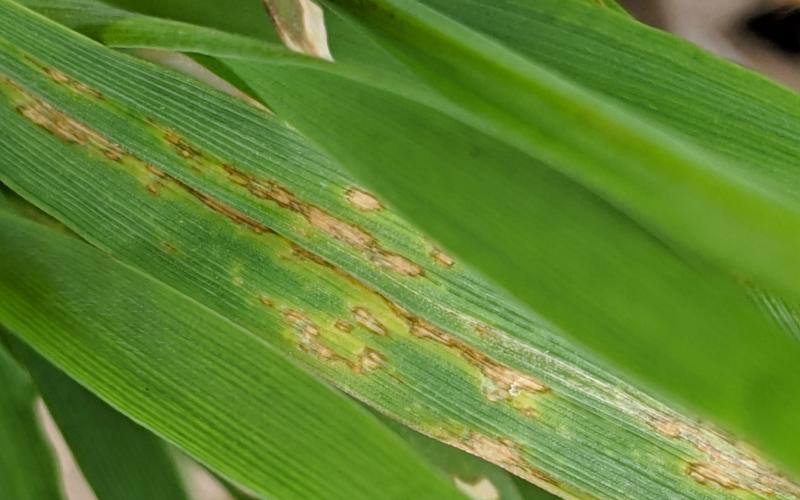
Bacterial Leaf Blight Developing in Winter Wheat
Recent winter wheat scouting found bacterial leaf blight developing in some fields. Bacterial leaf blight is caused by the bacteria, Pseudomonas syringae pv. syringae. The disease develops under frequent rains between 59 and 77 degrees Fahrenheit.
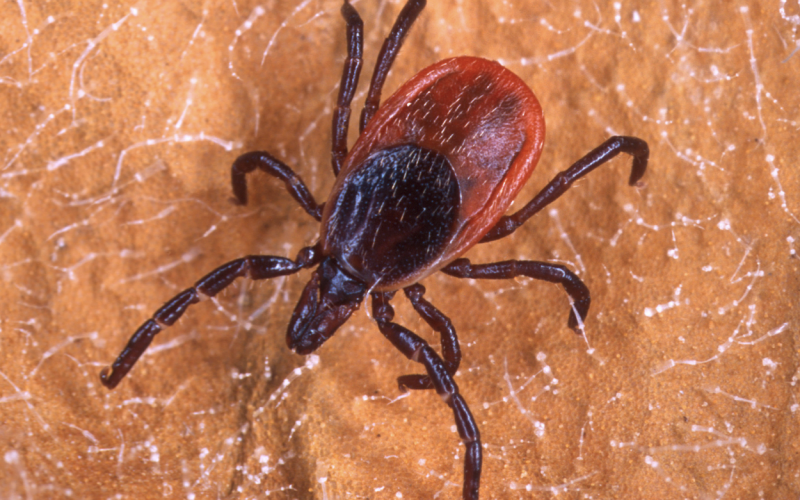
Protecting Yourself From Ticks
During wet springs, tick populations tend to thrive in South Dakota. These parasitic arthropods require blood to fulfill their nutritional needs and commonly use humans as a host. Some ticks can also carry bacterial diseases that are a threat to human health.