Search

2020 State 4-H Event Cancellation List
This list aids planning and decision-making for 4-H member families and volunteers in light of the ongoing COVID-19 pandemic.
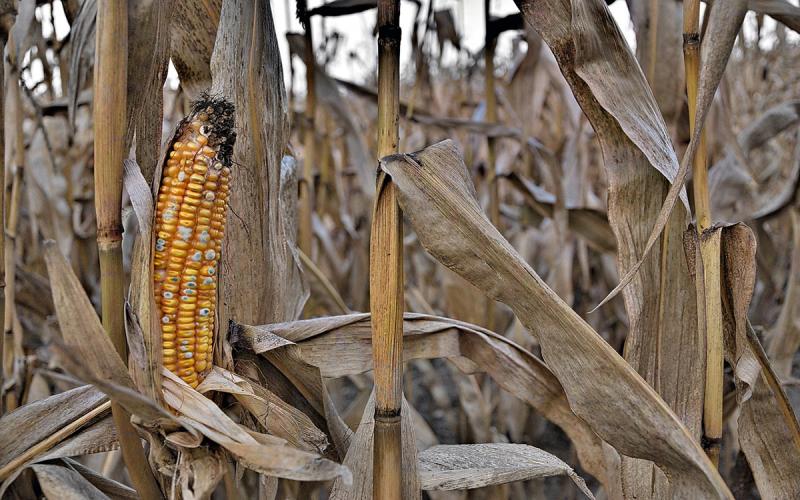
Mycotoxins: Should you be concerned?
Environmental stress caused by the weather or damaged crops increases the potential for mold and mycotoxin development. Learn some answers to common questions about mycotoxins and how to manage them.
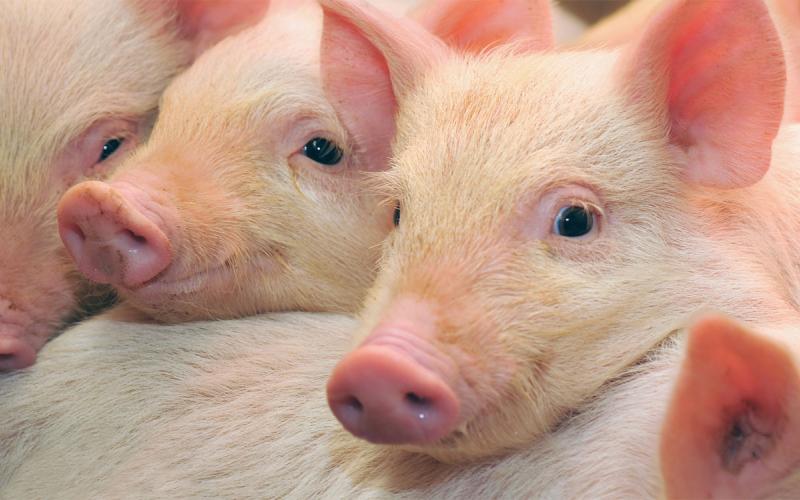
Register now for 2025 Swine Day with SDSU Extension
October 17, 2025
South Dakota State University Extension invites swine producers and industry members to attend SDSU Swine Day on Nov. 4, 2025, in Brookings.

South Dakota 4-H Club Officer Guide
Leadership is the ability to influence the thinking and actions of people. Good leadership helps others in the group to become the best they can be and it inspires everyone to want to “make the best better.” It requires willingness to tackle a new job and persistence to see it through.
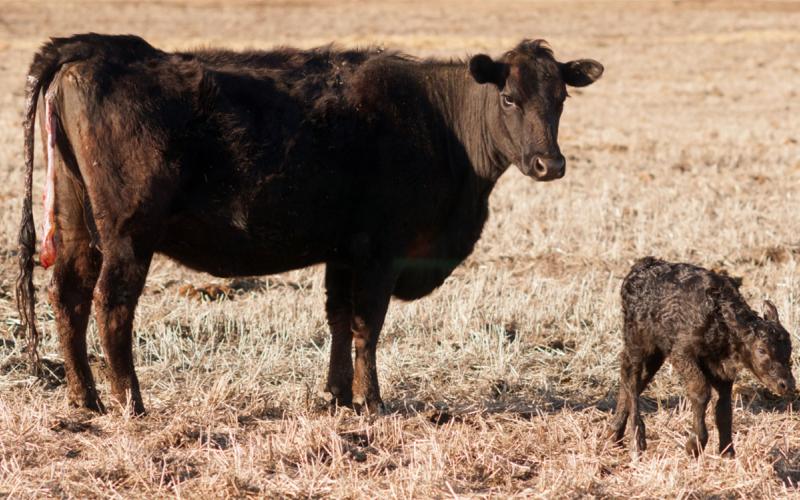
Beef: Best Management Practices for Cow-Calf Production
This comprehensive book provides producers with insight and education into the latest beef management, handling practices and technology.

Appendix E - Annual Charter Renewal Form
This all-in-one renewal form is to be completed and submitted to your local 4-H professional by December 31 to request continuance of the charter relationship.
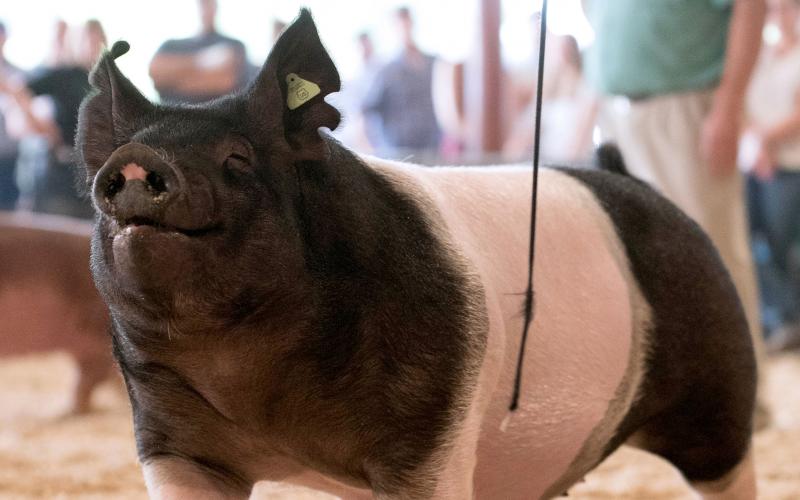
4-H Swine Project
The swine project teaches why people raise swine, how to select a pig for your project, feeding and caring for your pig, learning about swine behavior, parts of a pig and how to fit and show swine.
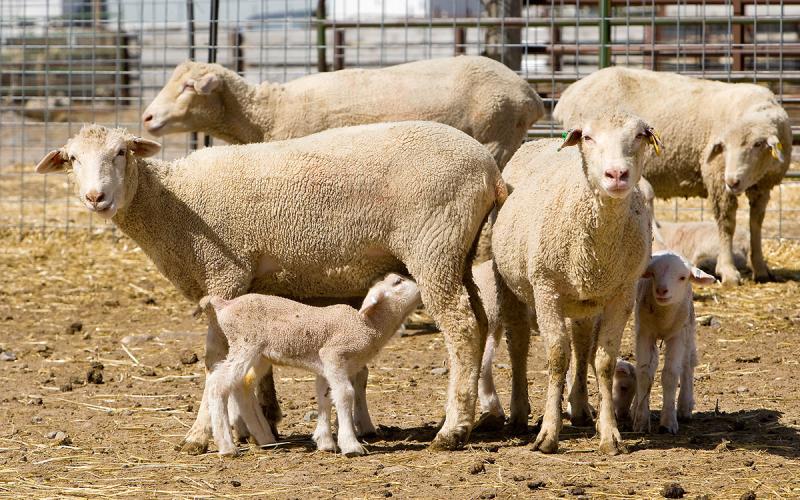
Managing Late-Gestation Heat Stress in Fall-Lambing Ewes
As South Dakota sheep producers navigate more high-heat days and longer warm seasons, we will have to work to adapt flock management to maintain health and productivity.
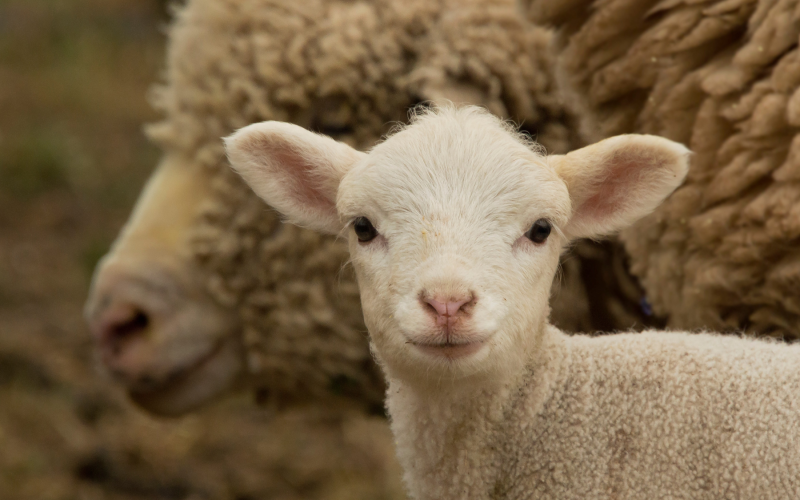
Three outstanding operations receive SD Master Lamb Producer Awards
October 30, 2025
South Dakota State University Extension is pleased to announce the winners of the 2025 Master Lamb Producer Awards.
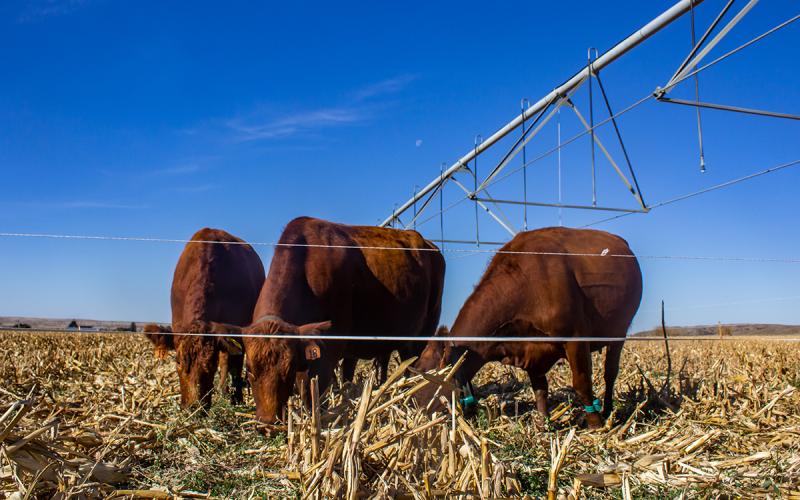
Stretch the Grazing Season by Grazing Corn Residue
Grazing corn residue can be an excellent strategy for stretching the grazing season. Learn some expert tips for making the most of corn residue before switching over to the feed tractor in the winter.