Search
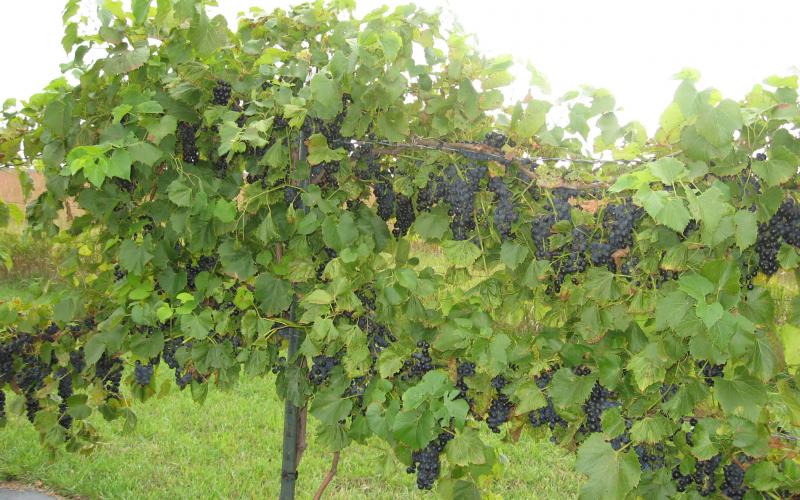
Grapes for Your Garden
Grapes in the Dakotas? Given an appropriate growing site and care, grape vines can last for decades or more in our climate thanks to the efforts of grape breeders over the past thirty years.
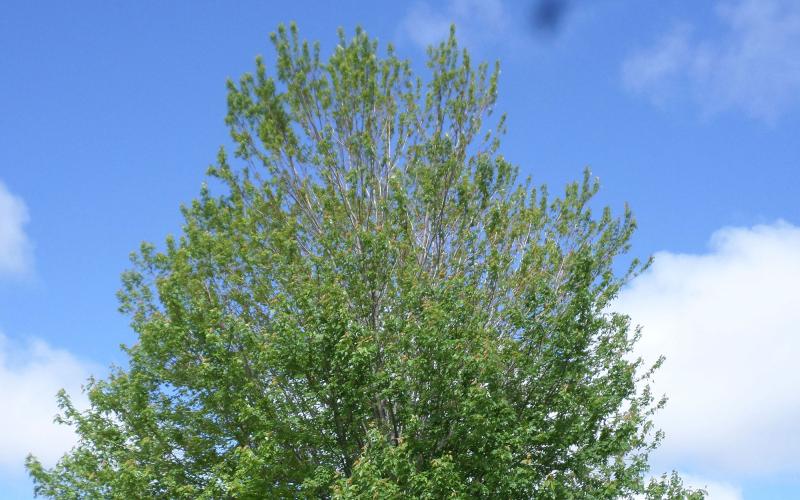
Maple Trees Looking Thin at This Time
Many of our maple trees are looking thinner at the tips of their canopies. The foliage in the lower, interior of these trees is dense, but when you look up at the tops, the leaves appear fewer and there are noticeable gaps at the base of the new shoot.
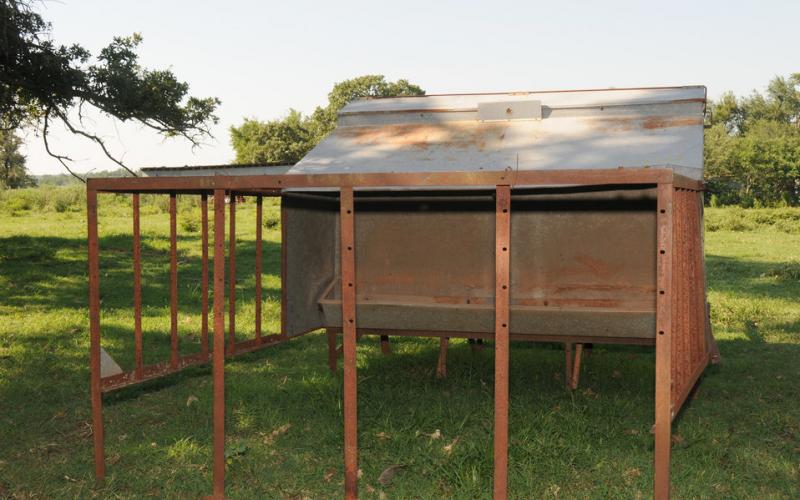
Considering Creep Feeding
Despite what Mother Nature seems to think the summer months are approaching and for some that means rolling out the creep feeder and for others considering whether creep feeding is a necessary investment.

Sample Questions to Ask a Current Business Owner/Operator
If you are thinking of starting a business, it makes sense to ask questions of current business owners in similar fields to give you a sense of owning and operating a business yourself.

Labeling of Prepared and Processed Foods in South Dakota
Labeling requirements vary in accordance with the type of food that is being sold and in several instances how or where it was prepared or processed.
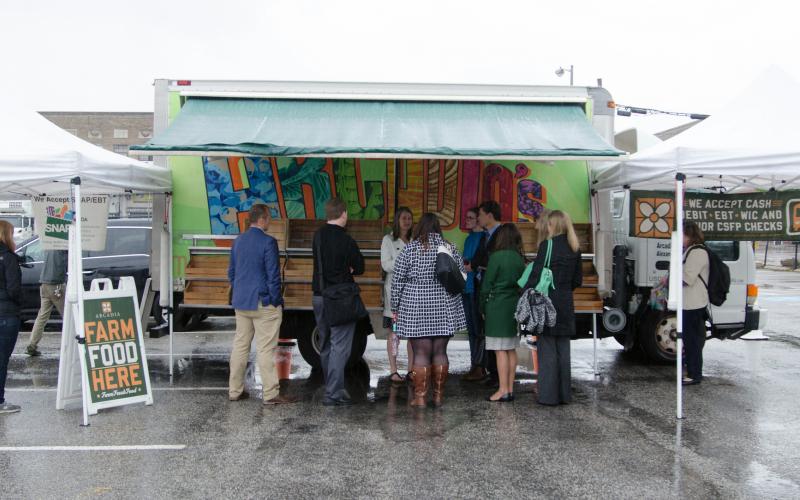
The Benefits of Food Hubs
Food hubs provide another marketing option to producers who do not have time to participate in a farmers market or other direct marketing venues.
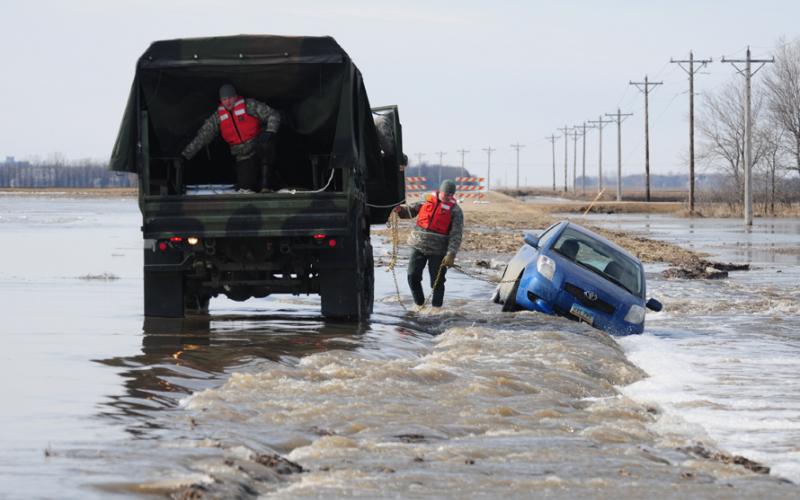
Floodwater: Road Crossing Hazards
During flooding, and when driving in the countryside we oftentimes encounter a creek or stream running on top of the road. Be aware that a course of water running over the road can turn into a very dangerous, even life-threatening situation if you attempt to cross it with your vehicle.
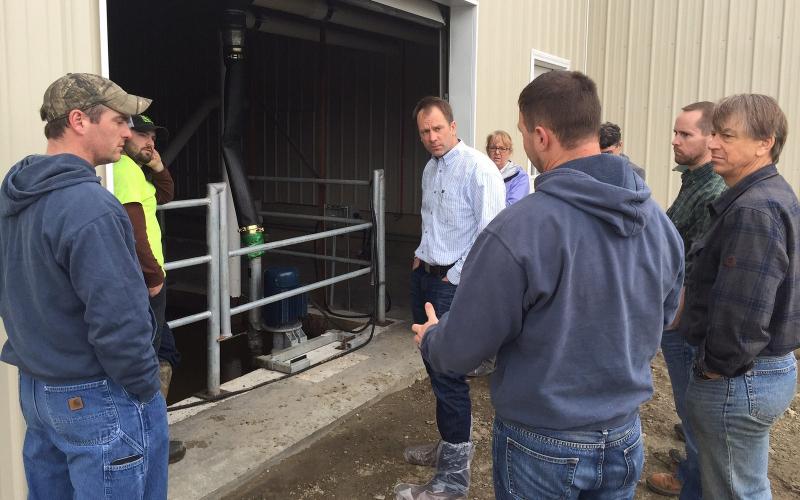
Dealing With Emergency Manure Runoff
With the recent flooding that the region has experienced and snowmelt that is yet to come, it is essential for livestock operators with animal waste management systems to regularly check on structures in order to prevent a manure storage spill.
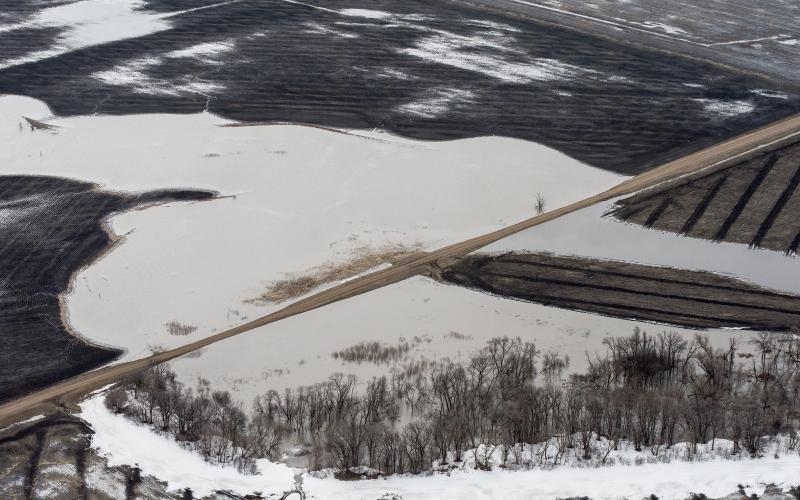
Managing Soil and Soil Fertility After Flooding
During floods, your fields will experience different amounts of erosion, sediment deposition, and crop residue accumulation. To avoid compaction of these soils it is crucial to let soils drain and dry out sufficiently before removing any large debris from fields or working the soil.
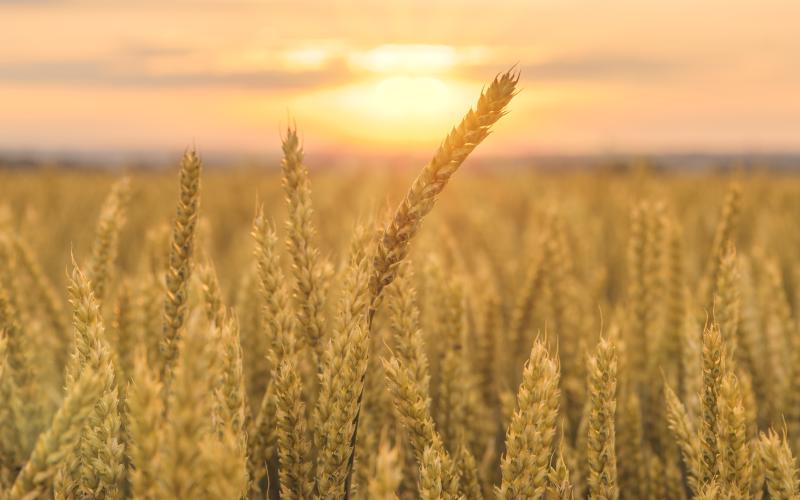
2018 Field Plot Summaries for Wheat Disease Management Trials
The wheat disease management field experiments conducted in the 2018 growing season evaluated several experimental and commercially available fungicides for managing foliar, head or root diseases of spring wheat. Foliar and spike/head diseases incidence and severity were assessed. The field experiments were implemented at Volga Research Farm and Northeast Research Farm (NERF) near South Shore, SD. Results of the same experiment may vary between Volga and Northeast due to environmental differences between the two locations.