Drought creates several challenges for ranchers, from reduced forage availability to declining pasture quality. It can also create concerns about forage toxicity issues resulting from excess nitrate and prussic acid accumulation. Sorghum related forages particularly, can accumulate compounds that produce prussic acids, otherwise known as hydrocyanic acid, under environmental stress. When livestock consume forages containing elevated levels of prussic acid, cyanide poisoning can occur quickly and, in some cases, become fatal.
Prussic acid risk deserves particular attention when drought-stressed plants receive moisture and new growth occurs. As moisture comes and cool-season forages experience some late-season green-up, producers may be tempted to turn livestock into pastures as forage conditions improve. However, this regrowth following periods of environmental stress does not always come risk free. Knowing which forage species pose the greatest risk for prussic acid poisoning and taking appropriate management precautions before grazing or feeding them can help reduce the risk of potential livestock losses.
Know Which Forages Pose a Risk
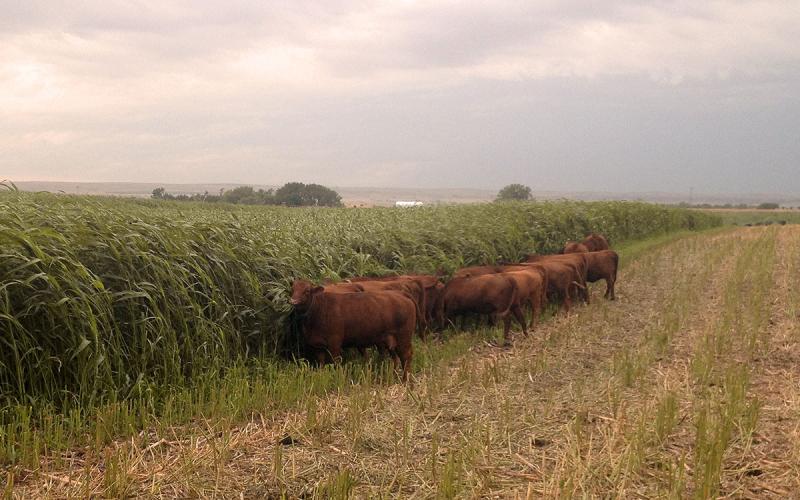
Prussic acid concerns are generally associated with certain species in the sorghum family. Forage sorghum, sorghum-sudangrass, sudangrass hybrids, and johnsongrass, for example, all contain cyanogenic compounds that can release prussic acid when the plant has been damaged. Typically, prussic acid is most heavily concentrated in the leaves and is greater in immature, leafy plant regrowth.
However, it is important to recognize that not every plant, field, or pasture carries the same level of risk. Therefore, before considering grazing or feeding forages that might bring prussic acid concerns, consider recent weather and management practices. If there is question to whether a pasture may be at risk of high prussic acid accumulation, utilizing a forage test is the safest, most insurable way to avoid risk and prevent losses from occurring.
Pay Attention to Stress and Regrowth
Because prussic acid accumulation typically follows periods of environmental stress of planta damage, fields that have been hayed or drought-stressed pastures where forage growth has been stunted are of greatest risk for prussic acid concern. Plants grown in soil with high levels of nitrogen and low levels of phosphorus and potassium are also at elevated risk for prussic acid accumulation. Frost can also increase risk of prussic acid poisoning.
Producers should resist the temptation to assume that a pasture is safe because moisture has returned and plants have shown new growth. The timing and severity of drought, amount of regrowth, and the type of forage all determine whether prussic acid is of concern. Environmental conditions and management practices should be taken into account rather than relying solely on the visual appearance and height of forage.
Grazing Management Considerations
There are several management strategies to consider before turning livestock out on potentially risky forages. The first is to never turn out hungry cattle. Making sure livestock have adequate access to safe feed and forage prior to being exposed to potentially hazardous forages can help reduce the chance of them consuming large quantities that may be harmful. Because prussic acid concentrations tend to be greatest in immature regrowth, the general rule of them when grazing sorghum species such as sudangrass, sudangrass hybrids, or sorghum is to wait until plant height reaches at least 18 to 24 inches. Finally, be cautious of grazing short regrowth that occurs after grazing, harvesting, or a frost. If you plan to graze forages of the sorghum family after a killing frost, wait at least 10 days to two weeks before grazing to allow the plant to dry and prussic acid to dissipate. Following a light frost, if forages meet or exceed the recommended plant height mentioned above and there is limited regrowth, the risk of prussic poisoning is slightly reduced.
Harvesting and Feeding Considerations
Harvested forages can also require careful management, especially if plants were stressed at the time of harvest. However, unlike nitrates, prussic acid concentrations in harvested hay dissipate over time as hay dries and cures. Chopping forages for silage generally results in lower concentrations of prussic acid compared to fresh samples as well. The general rule of thumb is to allow silage to ferment for 5-8 weeks before feeding to livestock to allow prussic acid to dissipate. However, producers should not assume that a certain harvest or storage method immediately eliminates risk. Any suspect hay or silage samples should be tested before being fed to livestock to ensure it is safe to feed.
When In Doubt, Take the Road of Caution
Drought makes forage and livestock feed inventory management more complicated, especially when conditions change rapidly following periods of significant stress. If producers are unsure of the potential hazards a pasture may contain, utilizing a forage test to determine exact concentrations of prussic acid can be a helpful management strategy and cheap coverage option against preventable livestock losses. Working with Extension personnel and livestock nutritionists can help create grazing and feeding plans to safely utilize potentially dangerous forage resources following periods of drought-stress.