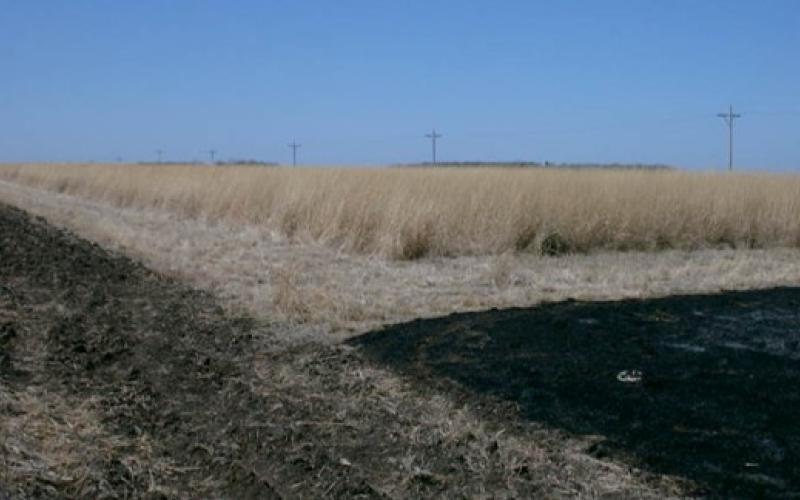
Periods of dry conditions across South Dakota often bring renewed interest in alternative forages, annual crops, and cover crop mixes to maintain feed supplies and reduce reliance on perennial pasture alone. While no single strategy eliminates drought risk, diversifying the forage base can function as a practical “insurance policy” by spreading risk across species, planting windows, and rooting depths.
Rather than relying on a single forage system, producers can improve resilience by incorporating a combination of perennial forages, annual crops, and strategically selected cover crops that respond differently to moisture stress and temperature variability.
Thinking in Systems, Not Seasons
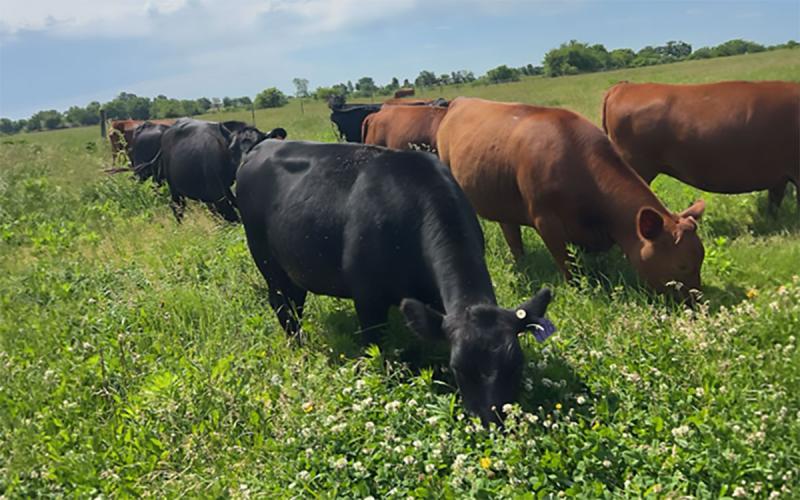
A diversified forage program works best when it is planned as a system rather than implemented in reaction to current conditions.
Perennial pastures provide a base level of production in most years, while annual forages can be used to bridge forage gaps during drought, after failed crops, or when seasonal pasture growth slows.
Integrating these components allows producers to:
- Extend the grazing season in the spring and fall.
- Distribute your operation's forage production across multiple planting dates.
- Capture moisture and nutrients when perennial growth is limited.
- Maintain flexibility in stocking rate adjustments during dry years.
Herbicide Carryover and Field History
Before establishing any annual forages or cover crops, herbicide application history must be reviewed carefully. Residual herbicides from previous cash crops may limit establishment or create grazing and harvest restrictions for forage use. This includes products applied during the previous growing season and, in some cases, earlier applications depending on the chemical and soil conditions.
Always consult current herbicide labels for rotational, grazing, and harvest restrictions prior to planting alternative forages or cover crop mixes. If crops are not listed, it may be appropriate to perform a bioassay prior to planting to ensure the safety of your crop.
Matching Forages to Risk and Moisture Conditions
One of the most effective ways to manage drought risk is to match forage species to expected moisture availability and planting timing.
Using both cool- and warm-season annuals across an operation can reduce the likelihood of complete forage failure during a single dry period.
Cool-Season Annuals
Cool-season annuals typically provide early or late-season forage and may include species such as:
- Oats, barley, triticale, cereal rye, and winter wheat.
- Peas, forage radishes, turnips, and hairy vetch.
These species often perform best when planted early or late in the growing season, allowing them to take advantage of cooler temperatures and available soil moisture.
Warm-Season Annuals
Warm-season annuals generally provide mid-summer forage when cool-season pasture growth slows. Examples include:
- Sorghum-sudangrass and forage sorghum.
- Pearl millet, foxtail (including German and Japanese types), and proso millet.
- Teff.
Once established, warm-season species are typically more water-use efficient and better adapted to hot conditions.
Strategic Use of Perennials
Perennial forages remain the foundation of most grazing systems. Although their productivity can decline substantially during drought, management strategies such as rotational grazing, deferred grazing, and stockpiling can help extend pasture use during dry conditions.
Including deep-rooted perennial species, such as alfalfa on suitable sites, alongside grass-dominant pastures can also improve drought resilience. Differences in rooting depth and growth patterns allow these species to access moisture from different soil layers and respond differently to stress.
Soil Water Use and Recovery Periods
Diversified forage systems should account for how different forage species use soil moisture and how quickly they recover following grazing or drought stress. Rapid-growing annual forages can provide timely feed but may draw down surface soil moisture quickly. Perennials typically use water more gradually but often recover more slowly once moisture becomes limiting.
Combining annuals and perennials can help balance these effects by distributing water use across species with varying root systems and growth habits. Incorporating adequate recovery periods into grazing plans is especially critical during dry years to maintain stand persistence.
Establishment Timing and Flexibility
Planting flexibility is a key advantage of annual forages. Warm-season species can be planted after frost risk has passed, while cool-season species fit well into early spring or late-summer planting windows.
In drought-prone conditions, delaying planting until a meaningful rainfall event may improve establishment success compared to planting in dry soils. Although this approach can reduce early-season forage availability, it often results in more uniform emergence and improved stand longevity.
Nutrient Management Considerations
Nitrogen management should be adjusted according to forage species, yield potential, and available moisture. Under drought conditions, excessive nitrogen application can increase the risk of nitrate accumulation in certain forage crops, particularly grass species such as oats, sorghum and sorghum-sudangrass hybrids.
Soil testing, previous crop nitrogen credits, and realistic yield expectations should guide fertilization decisions. In some situations, reduced nitrogen rates, or no additional nitrogen, may be appropriate when moisture is expected to limit growth potential.
Grazing Management and Risk Distribution
Diversification involves not only what is planted, but how forages are managed and utilized. Practices such as rotational grazing, stockpiling, and flexible stocking rates allow producers to shift grazing pressure among forage resources as conditions change. Having multiple forage options available reduces dependence on any single pasture or crop and allows for more measured forage use during dry periods of environmental stress.
Summary
Drought is an inevitable part of forage production systems, but total reliance on any single forage type increases vulnerability to weather extremes. A diversified forage base—built from a combination of perennial pastures, annual forages, and strategically selected cover crops—can improve flexibility, extend grazing opportunities, and reduce production risk across variable growing seasons.