Plants or Crops
Scouting Wheat Fields
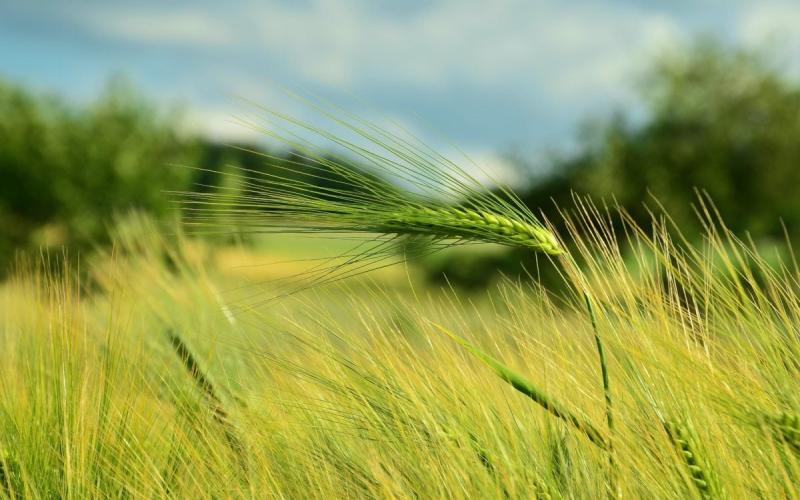
Scouting is the process of monitoring fields and crops during a growing season. It can provide producers with field specific information on pest pressure and crop injury.
Water Use by Plant Stage
Over the growing season, solar radiation, air temperature and plant size are the dominant factors in determining evaporative demand and the rate of water use by wheat. Water use can vary dramatically on a day-to day basis, depending on climate and wheat health.
Crop Rotation in Farm Management
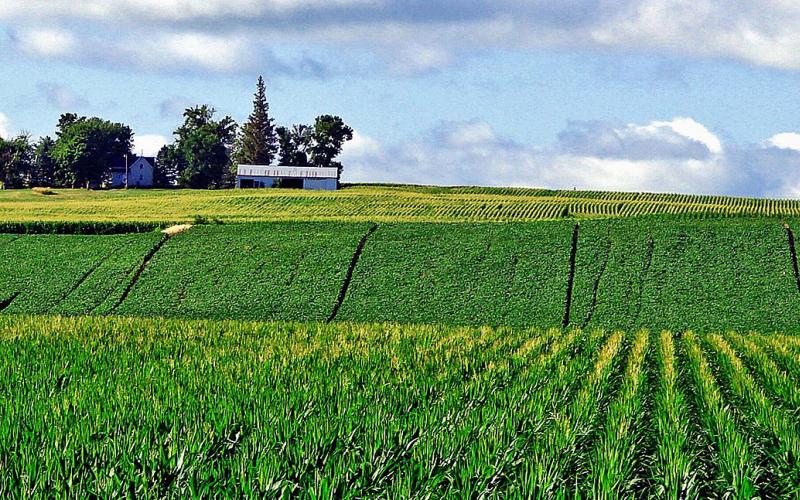
Crop rotation has long been considered an important farm practice. In 2013 producers had to stray from their well thought out crop rotations when the winter wheat crop in South Dakota failed.
Improving Protein Content in Wheat
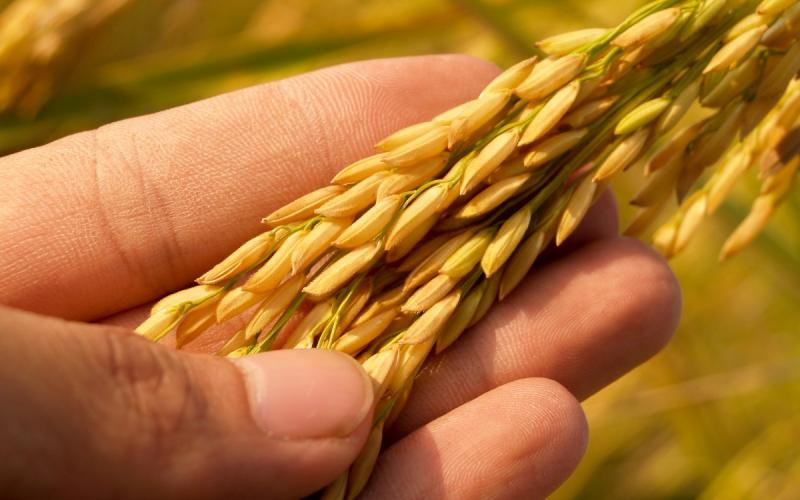
Wheat producers in South Dakota always strive to grow a premium product. Quality in wheat often depends on test weight and protein content.
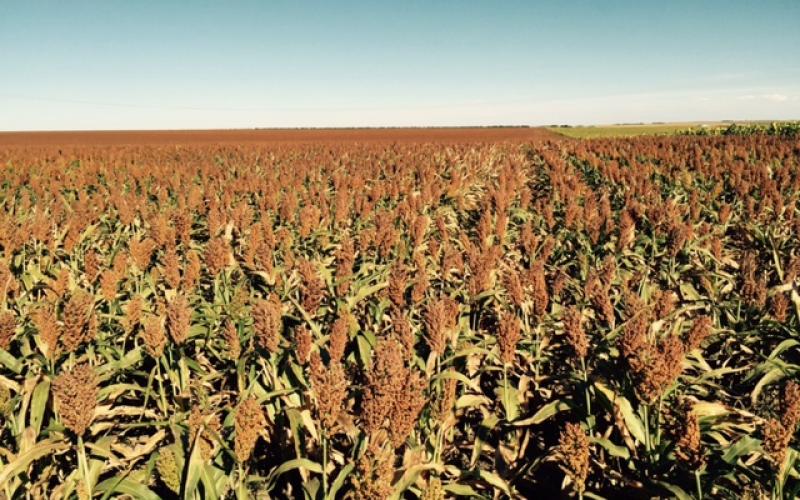
Sorghum Nitrogen Rates: Comparing recommendations from standard vs. Haney soil tests
A field scale replicated trial testing different fertilizer nitrogen rates on sorghum was conducted in Stanley County during the summer of 2016.
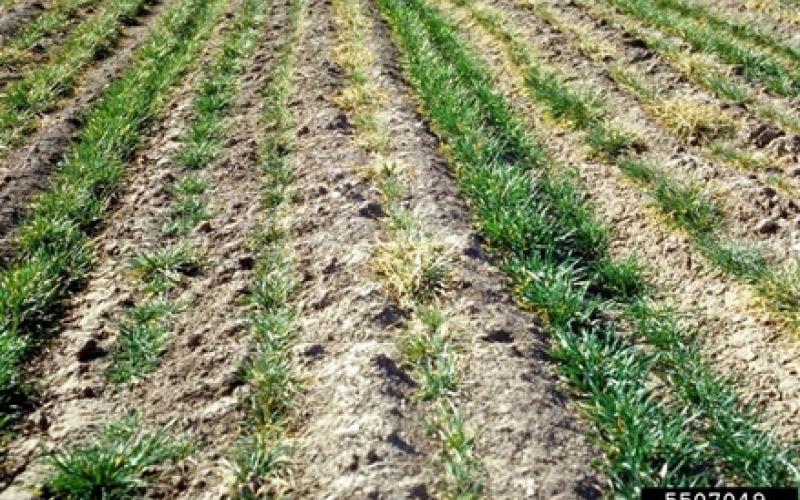
Brown Wheat Mite Affecting South Dakota Wheat
Recently, there have been reports of brown wheat mites throughout central and western South Dakota. The brown wheat mite is generally more of an issue in the drier parts of the state, or in areas experiencing drought. The feeding injury caused by these mites leaves white or brown spots that are referred to as stippling.
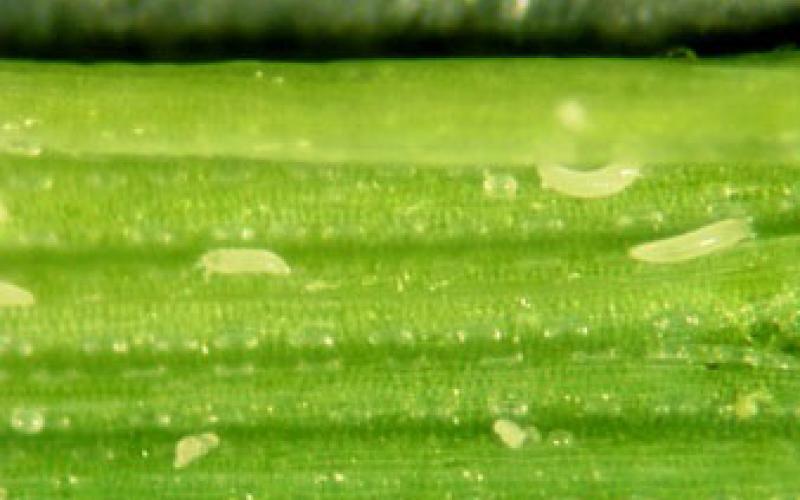
Which mite is it? Identifying the mites in wheat fields
In South Dakota, the most commonly encountered mites in wheat are wheat curl mite and brown wheat mite. In addition to feeding, wheat curl mites are vectors of Wheat streak mosaic virus. Brown wheat mites can build up large populations and injure wheat through feeding. There are other species of mites that may also be observed in wheat, but generally do not reach populations large enough to cause significant injury.
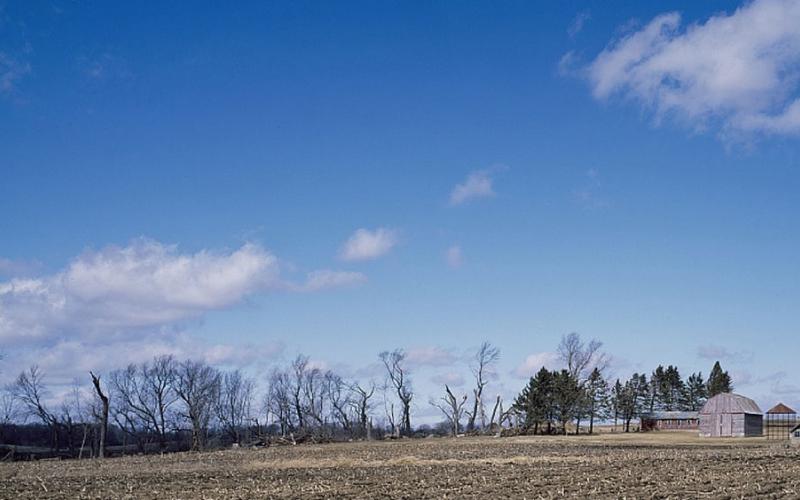
Planting Considerations for a Late Spring
Farm fields in some areas are unusually wet this year with many low areas under water. These conditions will make planting a challenge for farmers this year.
Continue Scouting Wheat for Aphid Populations
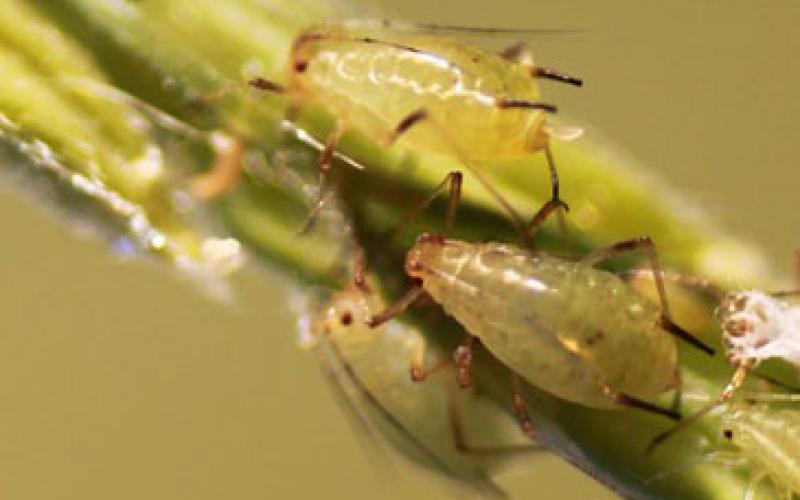
Aphid populations in winter wheat continue to be observed in South Dakota. The major questions now are whether or not aphid populations are at economic threshold and if spraying is really necessary.
Determining Sorghum Seeding Rate
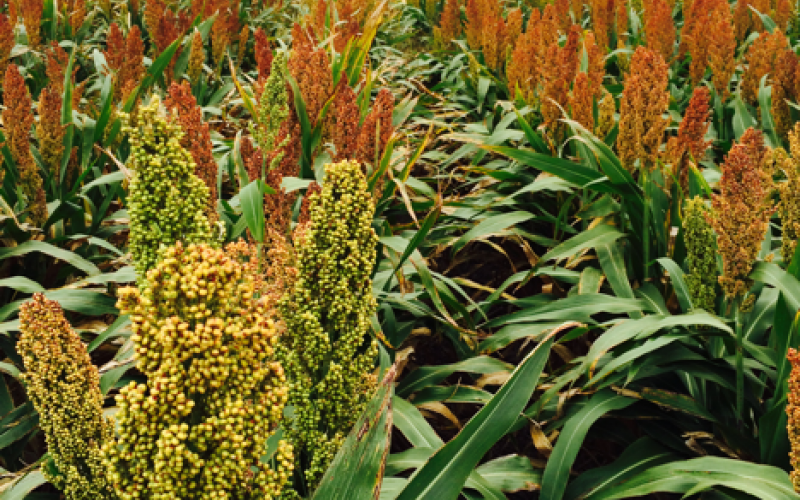
Seeding rate can have significant impacts on sorghum yields.