Natural Resources
All Natural Resources Content
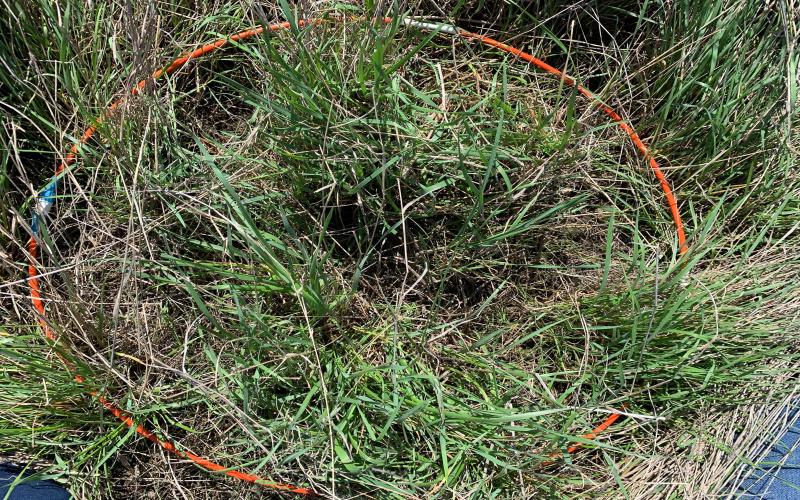
You Can’t Manage What You Don’t Measure: Range Record Keeping
Range record keeping helps detect and demonstrate landscape changes that have a direct impact on your ability to maintain or grow your herd.
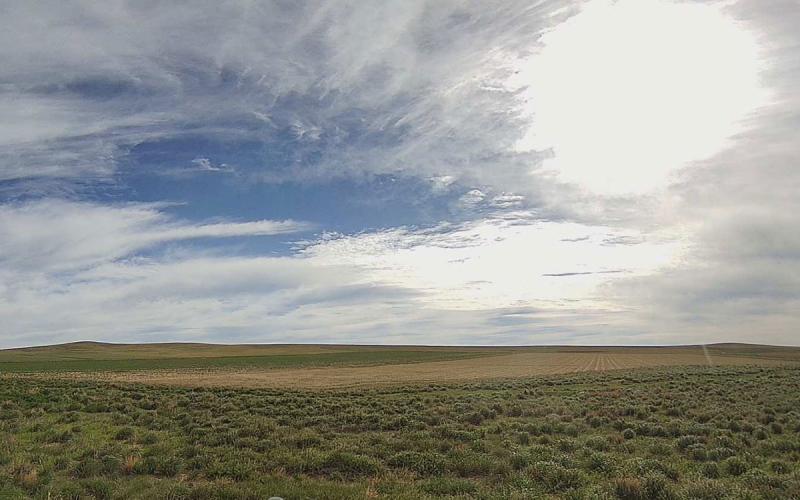
Drought Update: Mid-June 2026
According to the June 11, 2026 U.S. Drought Monitor, 53% of South Dakota is currently in drought. These conditions are strongest primarily in the southern half of the state, impacting approximately 623,996 residents, or roughly two-thirds of the state’s population, highlighting the ongoing and expanding impact of drought across South Dakota.
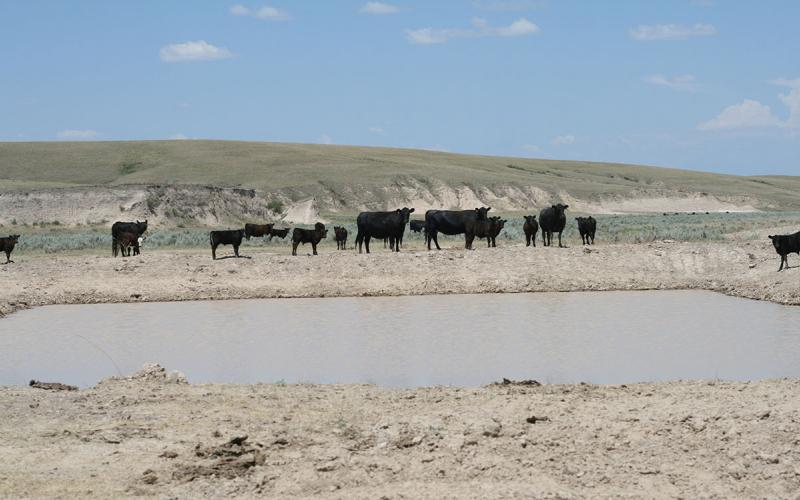
Drought Meeting
SDSU Extension will host drought meetings from 10:00 a.m. to 5:00 p.m. CDT/9:00 a.m. to 4:00 p.m. MT on June 17 in Hot Springs, Winner and Yankton.
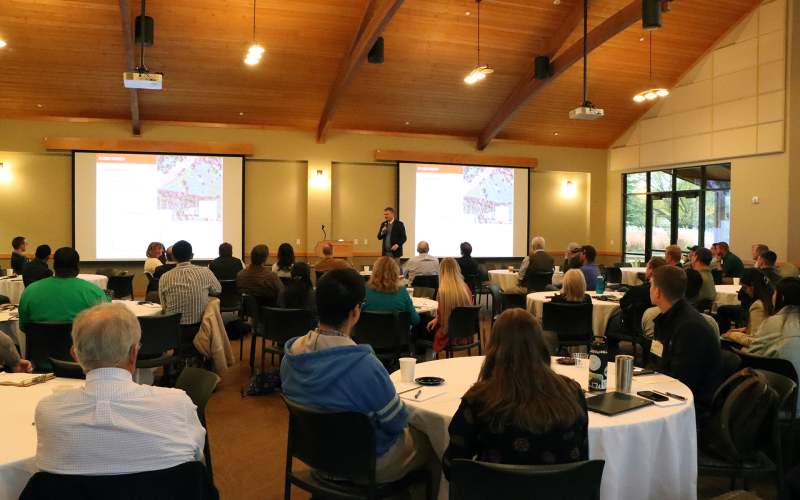
Eastern South Dakota Water Conference
The Eastern South Dakota Water Conference will be held on Wednesday, October 7, at the McCrory Gardens Education and Visitor Center (631 22nd Ave., Brookings, SD 57006).
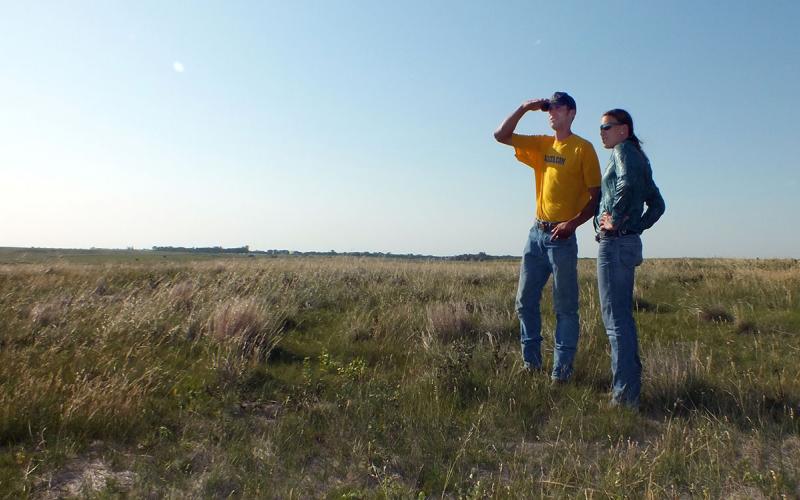
Natural Resources & Conservation
South Dakota is home to many unique land, water and wildlife resources. Our experts and partners offer research-based information through to help people enjoy, preserve and profit from these natural resources.
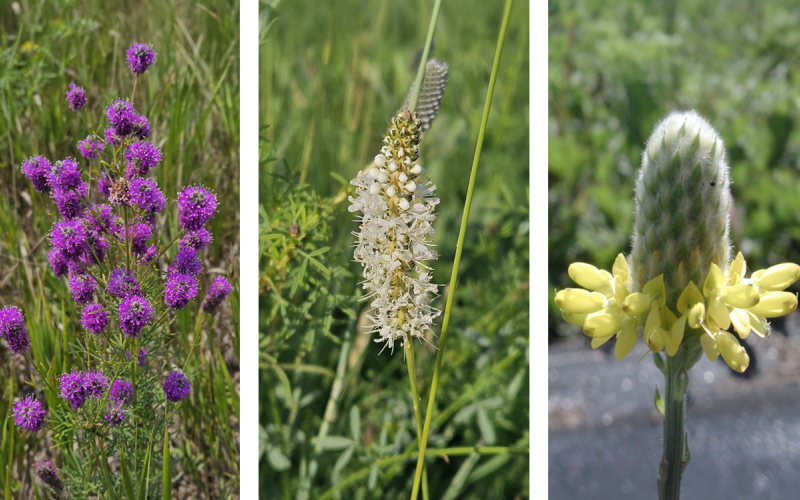
Prairie Clovers of South Dakota
Many of us are familiar with the white clover growing in our lawns or the yellow sweet clover growing in rangelands, but did you know that South Dakota has several native prairie clovers that are beneficial for pollinators, birds, and wildlife?
Agriculture
Both livestock and crops are essential to South Dakota's agricultural industry.

What is the “a” in Chlorophyll-a?
Have you ever heard the term "chlorophyll a" used in reference to a lake's blue-green algae content? From type "a" to type "f," learn how different types of chlorophyll impact lakes and aquatic environments.
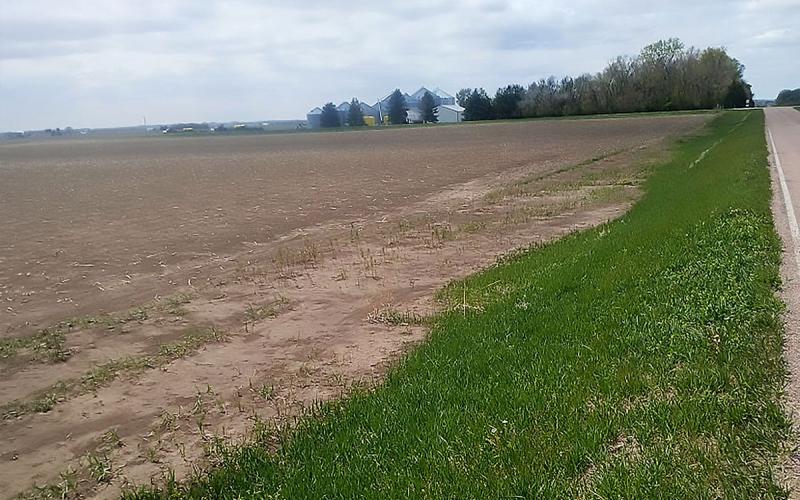
How to Maintain Soil Health During Dry Growing Conditions
Adopting soil health practices can help to reduce the loss of valuable topsoil by wind erosion during droughts. Learn how to manage your fields now or in the future to maintain soil health during periods of dry times.

Red Fescue (Festuca rubra), A New Grass in the Black Hills: Friend or Foe?
Red fescue (Festuca rubra), a cool-season, dominate rhizomatous grass, has started showing up on disturbed ground near meadows and forests. While it is not a state noxious weed yet, its spread has raised questions from producers.