Natural Resources
All Natural Resources Content

Transitioning to Soil Health Systems in Eastern South Dakota Intended for beginners: Where do I start?
Fact sheet for beginners on where to start transitioning to soil health systems in eastern South Dakota.
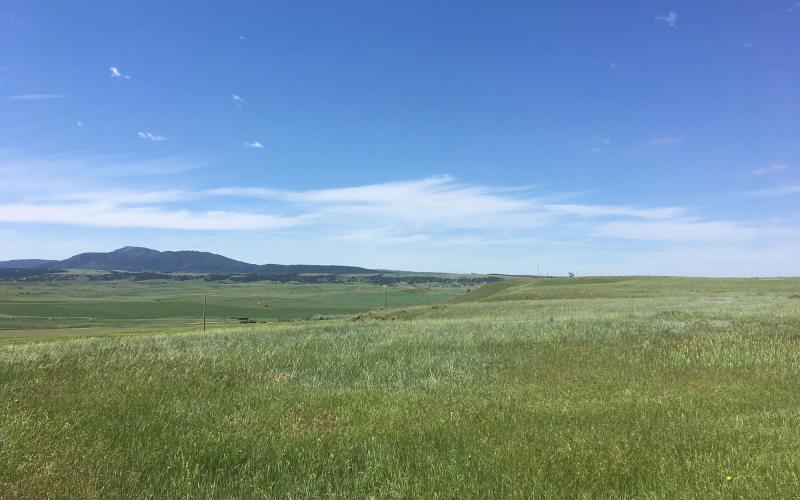
Pasture
Pastures and rangelands are a valuable resource for owners of equine and livestock.

Climate and Weather
View resources to predict, prepare and recover from weather-related events year-round, including the latest drought and flood information.

Finding Technical and Financial Assistance for Fish Barrier Removal and Mitigation
Manmade barriers can limit the movement of many aquatic species and prevent them from gaining access to critical habitats. For public entities and private individuals interested in the removal or mitigation of those barriers, both technical and financial assistance is available.
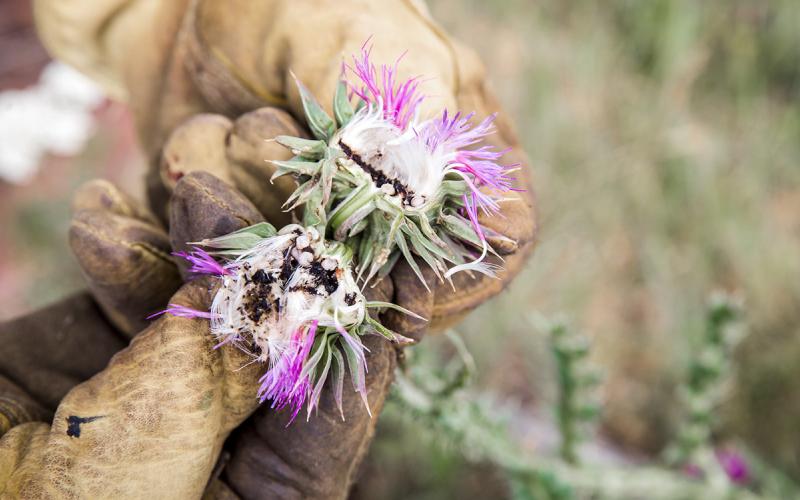
Now is the Time to Plan for Noxious Weed Control in 2026
Most of South Dakota experienced first frosts that were delayed by at least one month, allowing for noxious weed growth to continue later in the season. Now is the time to plan for noxious weed management tactics.

Native Plants for Bird Habitat in South Dakota
South Dakota has a range of habitats that support many bird species, and native plants play an important role in all those habitats.
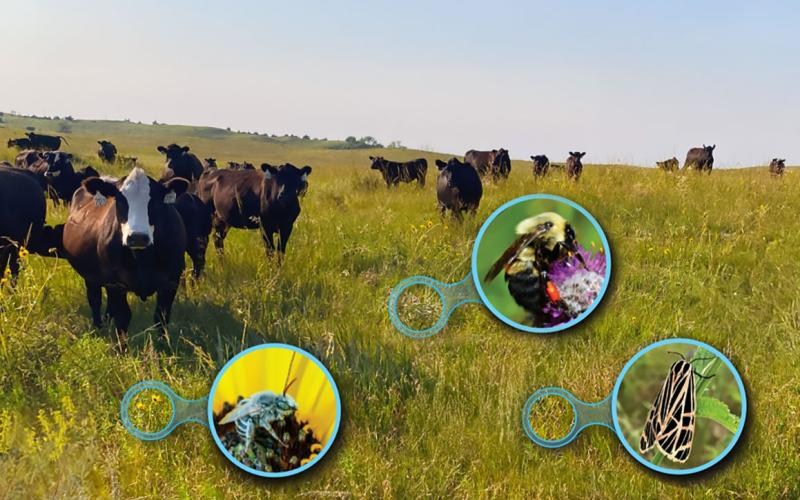
Rangeland Wildflowers: Their Value to Livestock and Pollinators
Native wildflowers and shrubs are critical to providing a wide array of services that increase the resiliency of rangelands, provide pollinator habitat, and contribute to livestock nutrition.
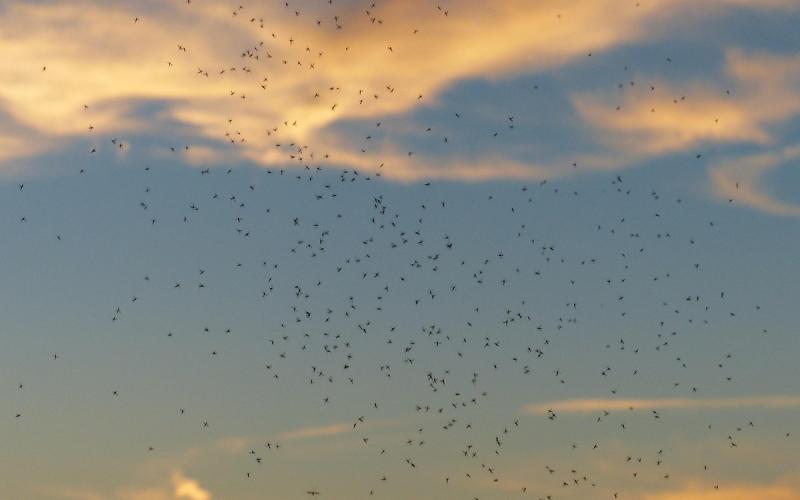
West Nile Virus Update: October 16, 2025
As of October 16, 2025, the South Dakota Department of Health reported 86 human cases of West Nile virus from Aurora, Beadle, Bon Homme, Brookings, Brown, Charles Mix, Clay, Codington, Corson, Douglas, Grant, Gregory, Haakon, Hamlin, Hand, Hughes, Hutchison, Hyde, Lawrence, Lincoln, Marshall, Meade, Miner, Minnehaha, Pennington, Roberts, Sanborn, Spink, Stanley, Todd, Union, Walworth, and Yankton counties.

SDSU Extension welcomes new water specialist
October 29, 2025
South Dakota State University Extension is pleased to welcome Ryan Lefers as the new Griffith Endowed Chair in Agriculture and Water Resources, South Dakota Water Resources Institute Director and SDSU Extension Water Management Specialist.
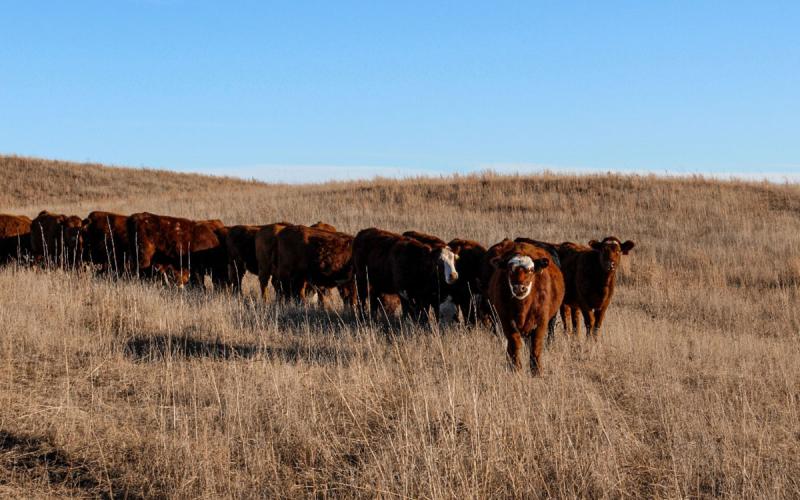
Fall Pasture Report: Considerations for Dormant Season Grazing
Recent fall rains across the region continue to improve soil moisture conditions in preparation for the dormant season. Unlike in years past, a fall green up has been in full swing for much of the region.