Natural Resources
All Natural Resources Content
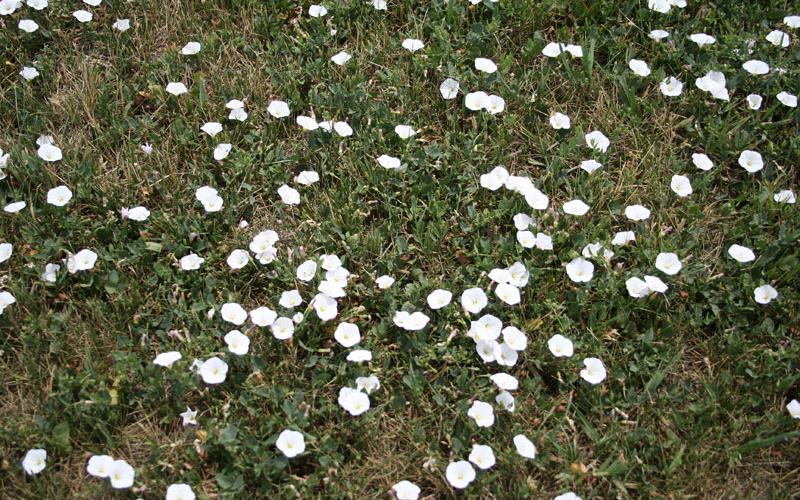
Weed Control: Noxious Weeds
Weed control recommendations for noxious weeds in South Dakota.
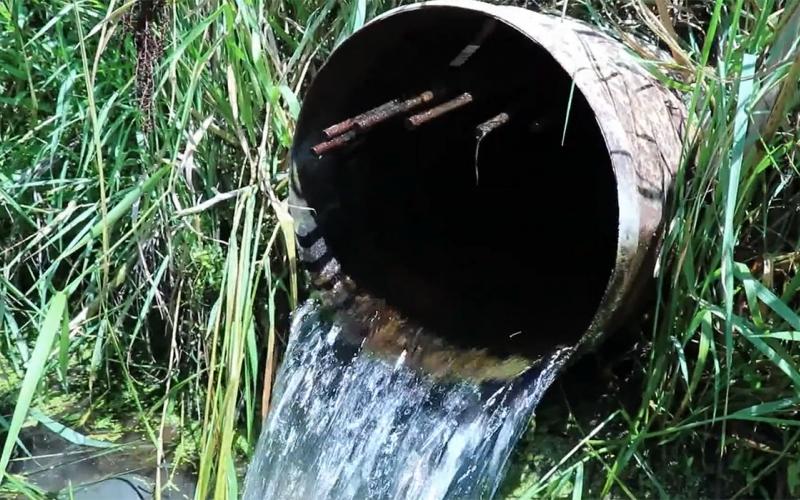
Nutrient Loss Calculator
Trying to figure out the nutrient loss in your tile drainage system? The Nutrient Loss Calculator can help. This useful tool helps landowners collect a snapshot of nutrient loss in their drainage systems.
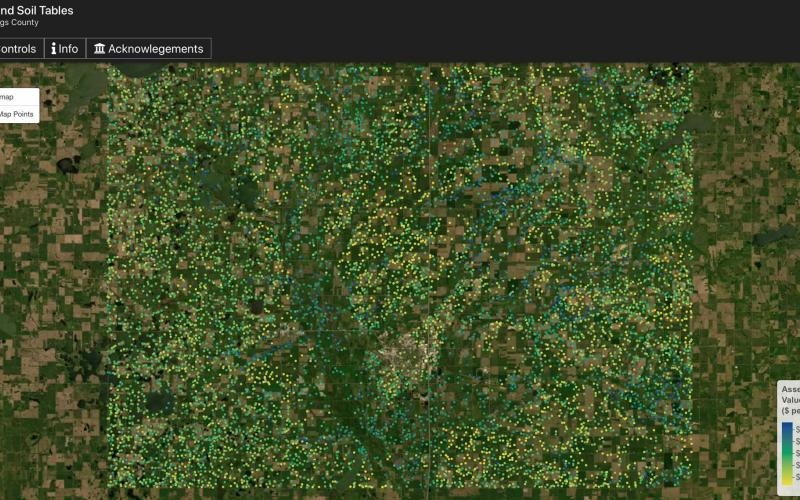
South Dakota Agricultural Land Soil Productivity Tool
The Ag Land Soil Tables Tool allows users to view soil data and download data by county to further understand the soil rating system. It can help appraisers make baseline agricultural land assessments and determine if adjustments from baseline are needed.
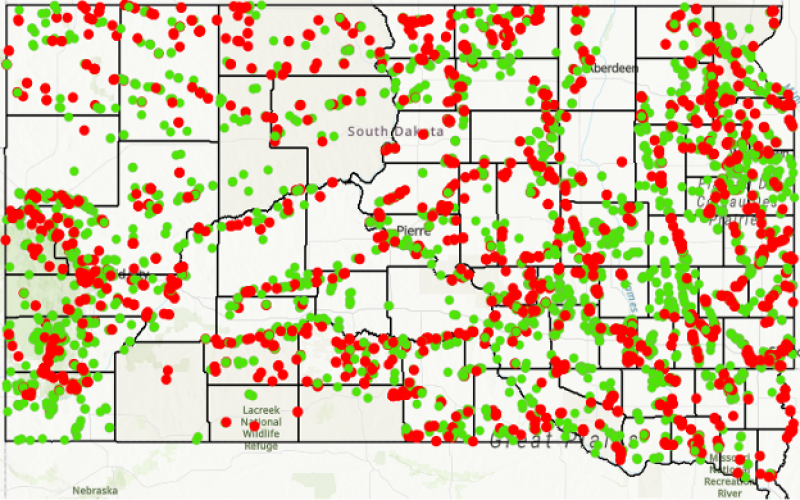
Water For All
These videos are meant to raise awareness among South Dakota citizens about the kinds of water information available to them.
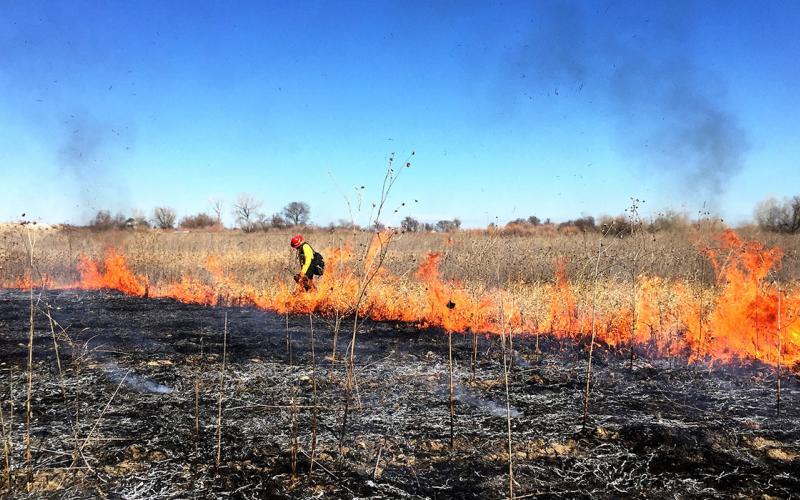
Prescribed Fire
SDSU Extension works collaboratively with state and federal partners to educate landowners about the use of fire as a grassland management tool.
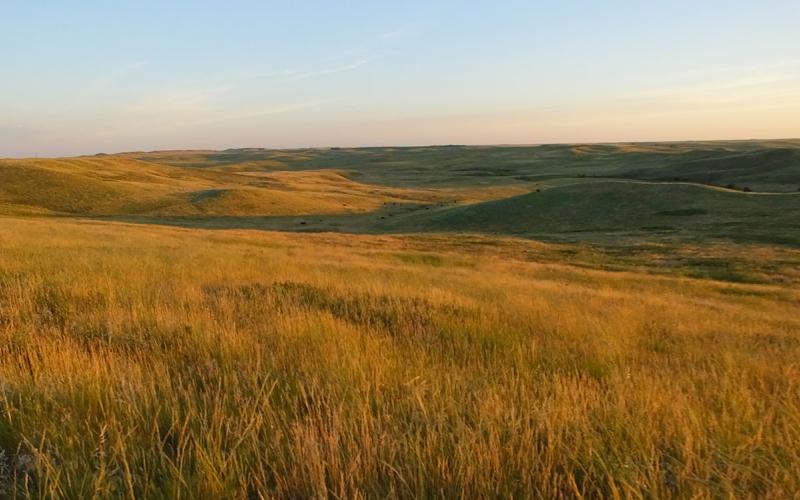
SDSU Extension invites public to 2026 SD Grasslands Summit
February 05, 2026
South Dakota State University Extension is inviting everyone interested in grasslands to attend the 2026 South Dakota Grasslands Summit on March 3-4 in Mitchell.
![A herd of cattle gather around a stock pond on a vast, lush grassland. Courtesy: USDA [CC BY 2.0]](/sites/default/files/styles/teaser_800x500/public/2019-05/W-00231-00-cattle-grazing-grassland-pasture-range.jpg?h=8f818b46&itok=6GS1_Ww0)
Weed Control: Pasture and Range
There are many undesirable plants or invasive plant species in South Dakota's 24 million acres of native and tame pasture range. This guide provides a summary of different herbicide suggestions and uses.
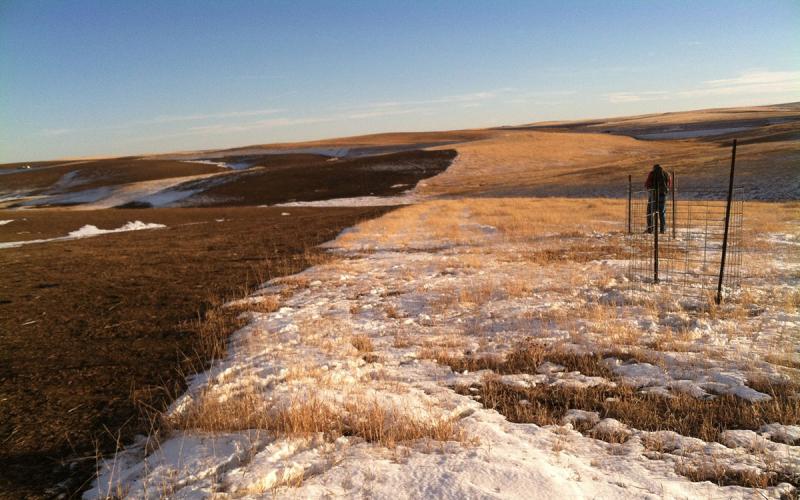
Reading the Range in Winter: What Dormant Season Clues Reveal About Spring
For range and grazing management, winter is one of the most revealing times of the year. With a few hours in each pasture, managers can gather a season’s worth of insight and set themselves up for a more-resilient grazing year.

Range Roundup: Long-Term Grazing Records Can Guide Future Management
For nearly 80 years, researchers at the Cottonwood Field Station have monitored how different stocking rates have shaped plant communities. Today, these records are being compared with modern data to help us better understand how rangelands respond to long-term grazing management.
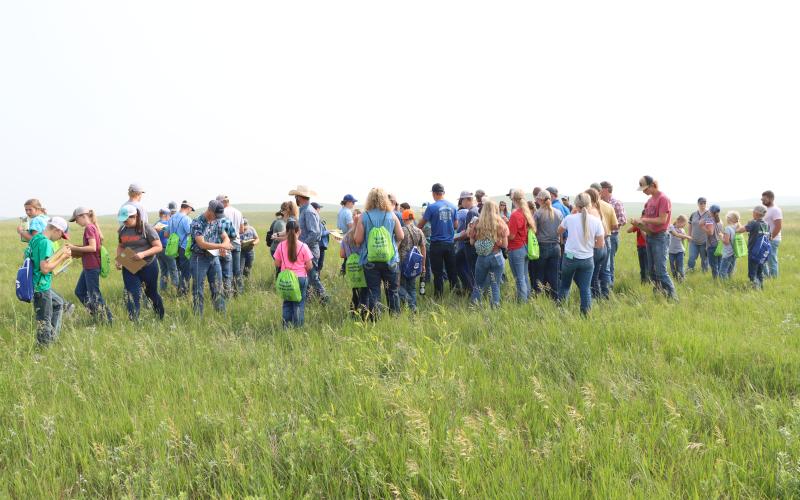
Dedicated educators help South Dakota youth succeed nationally
January 20, 2026
In May, South Dakota sent 84 youth to the National Land and Range Judging Contest in El Reno, Oklahoma. Out of the 34 states that competed, only Texas came close to matching those numbers with 72 participants.