Business
All Business Content
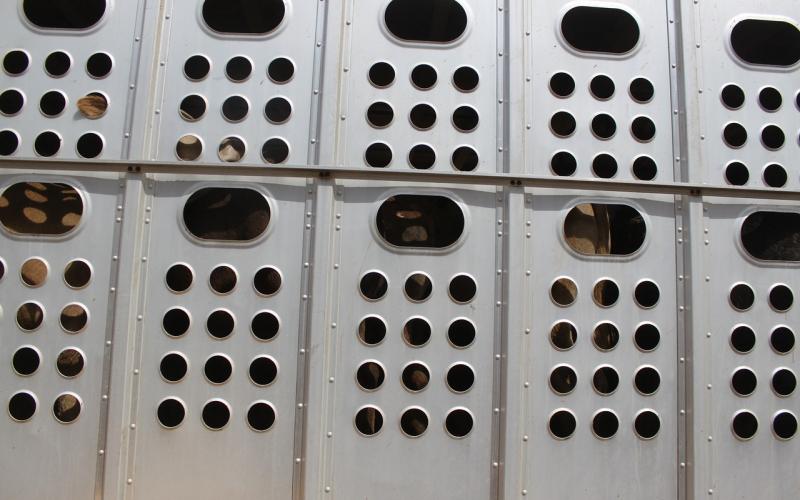
Livestock Emergency Response Planning (LERP)
The scene of an accident is not the place to build your team!

Protecting Your Data: The Role of Authentication and Encryption in Agricultural Cybersecurity
Precision agriculture emphasizes using data to make smarter farming decisions. In the digital world, authentication and encryption are two prevalent ways to keep farm data secure, accurate, and trustworthy.
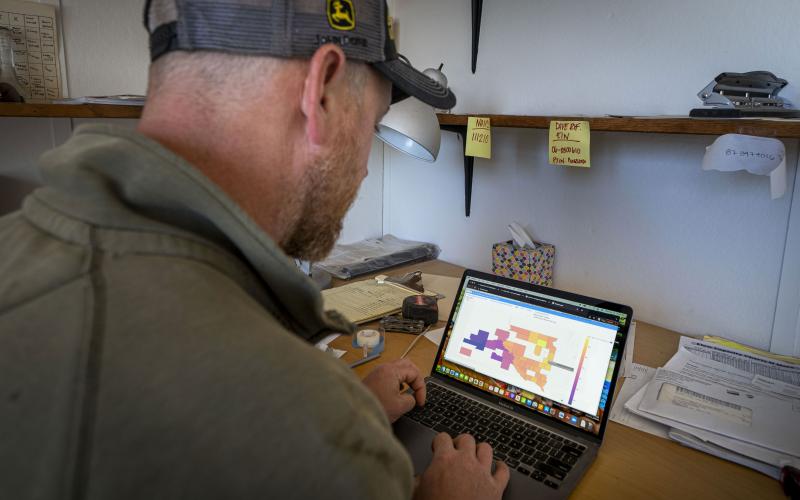
South Dakota Ag Land Income Tracker
The South Dakota Ag Land Income Tracker is designed to estimate and display changes to the annual revenue per acre derived from standard agricultural practices on an average, unimproved cropland acre in South Dakota counties.
SDSU Basis Report: Monitoring Agricultural Market Dynamics
The SDSU Basis Report application provides an interactive platform for monitoring basis values, representing the difference between the cash price paid for grain locally and the nearby futures price.

South Dakota Agricultural Land Market Trends
The 2025 South Dakota State University (SDSU) Extension Farm Real Estate Market Survey is the 35th annual survey of agricultural land values and cash rental rates by land use and quality in different regions of South Dakota.

Watertown entrepreneur wins SDSU Extension business plan contest
March 24, 2025
A Watertown woman won a South Dakota State University Extension Community Vitality business plan contest with her compelling plan for a cancer support group.

SDSU Extension publishes study on ag cooperative impact in SD, ND and MN
March 18, 2025
South Dakota State University Extension has published a study on the economic impact of agricultural cooperatives in the Upper Midwest.
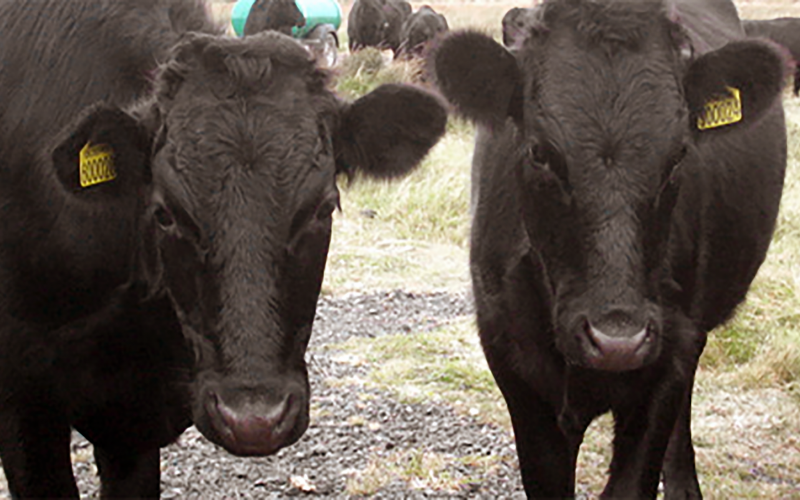
Heifer Selection Strategies
Producers should consider some common characteristics and questions to help select replacement heifers strategically.
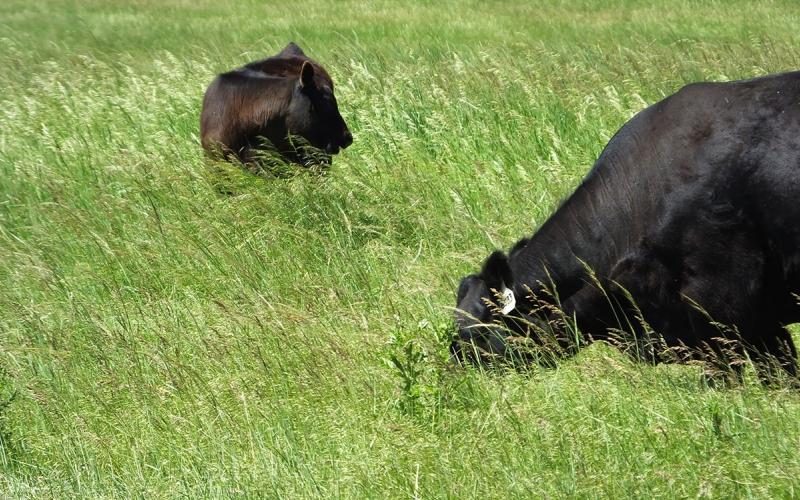
Grass-Fed Beef: Understanding Terminology in Conventionally Raised Beef and Grass-Fed Beef
What makes grass-fed beef different from conventionally raised beef? This is perhaps the most-common and sometimes most-complex question that arises amongst those hoping to understand the similarities and differences between conventional and grass-fed beef.
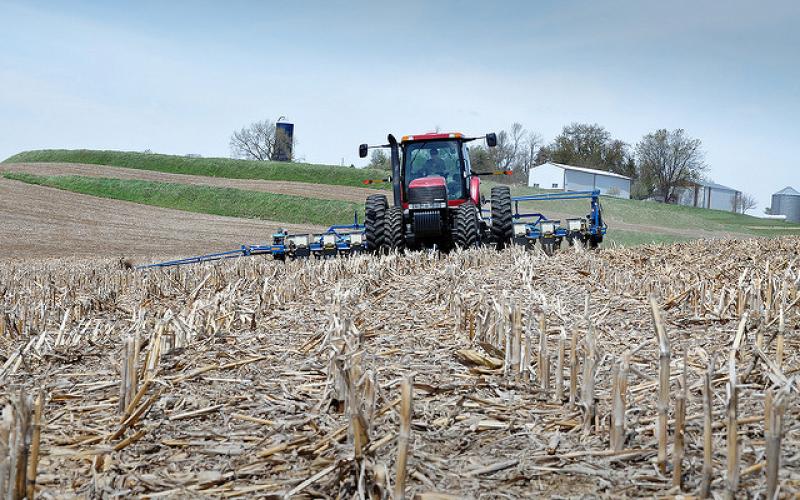
Project to Study Soil Health Economics in South Dakota
Soil degradation has become one of the most pressing global issues, because of its adverse effects on world food security, environment and quality of life.