Small Grains
All Small Grains Content
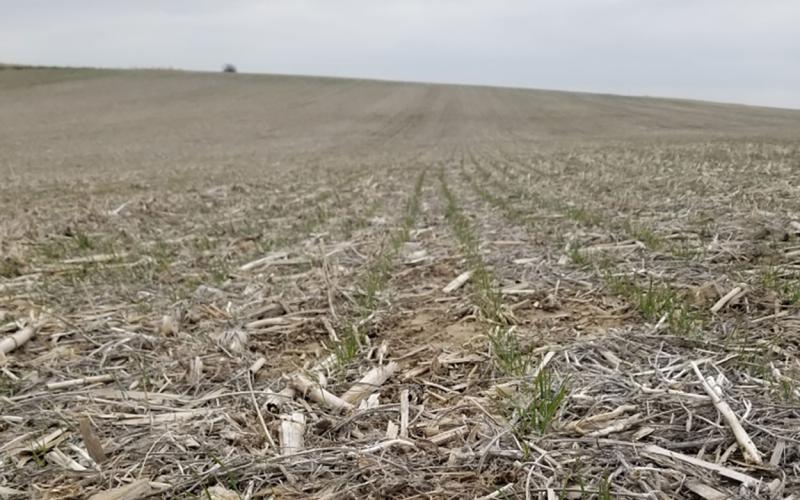
Assessing Winter Wheat Stand In the Spring
Overwintering of winter wheat starts in the late fall and is completed during spring regrowth. Factors, such as genetics, amount of snow cover and winter temperatures, can all play a significant role in winter survival of wheat crops.
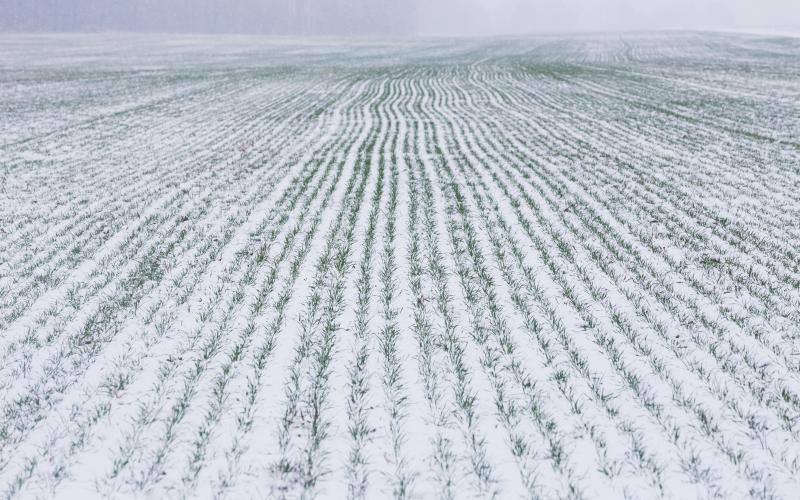
Effects of Snow on Wheat
Even though snow that comes with the onset of cool temperatures can be a nuisance for our daily activities, it can benefit a winter wheat crop a great deal.
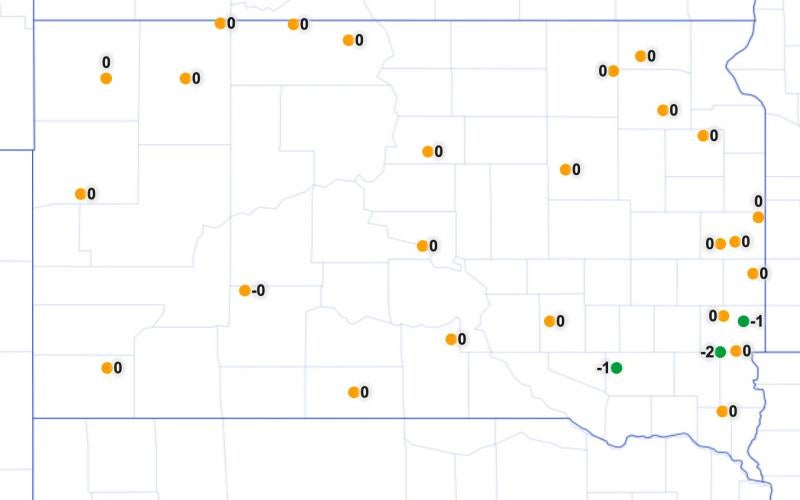
Use the SD Spray Tool for Inversion Detection and Weather for Pesticide Application
The SD Mesonet Spray Tool provides real-time weather data for pesticide applicators. This dedicated website for pesticide applicators uses the SD Mesonet weather data, which is updated every five minutes.
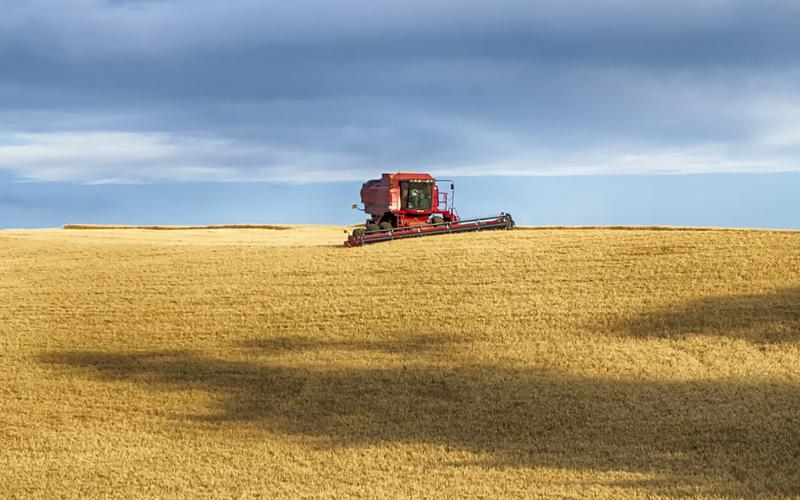
Best Management Practices for Wheat Production
The Wheat Best Management Practices manual offers a comprehensive guide for optimizing yields, maximizing profits and ensuring long-term sustainability in wheat production.
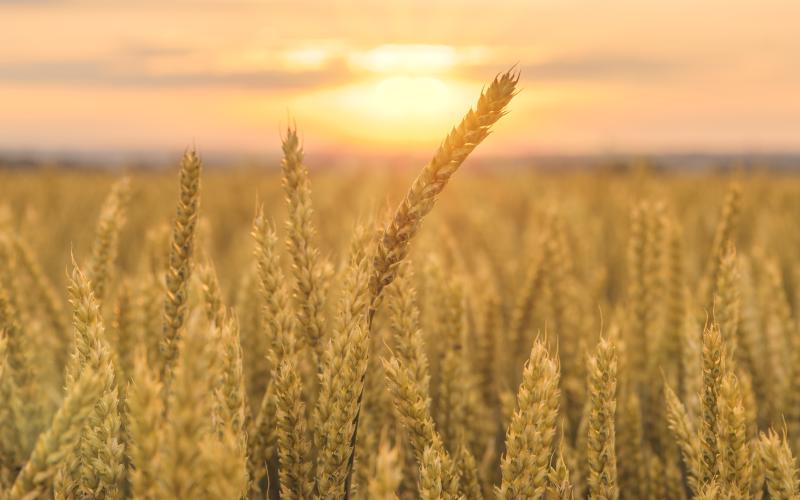
Instinct HL and Nitrogen Management Effect on Winter Wheat Yield
Nitrogen (N) additives to control N losses through volatilization, denitrification, and leaching are widely used in the Midwest. Slowing the conversion of nitrogen fertilizers to nitrate may lessen leaching and denitrification losses if precipitation or soil becomes saturated.
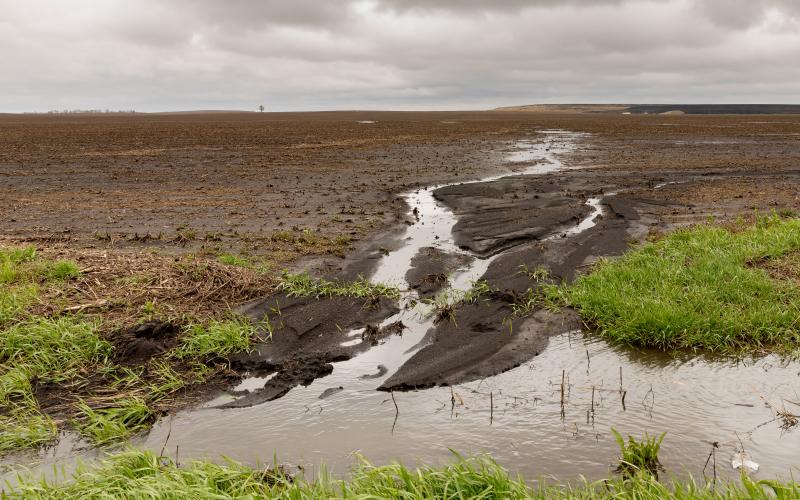
Is Herbicide Carryover a Concern in Wet Weather?
Wet conditions have forced the need to change planting plans. In some cases, crops are planted in areas that were not planned for that crop this year. One factor in moving crops that cannot be overlooked is carryover. Does the ground to be planted have a carryover restriction for the desired crop to be planted?
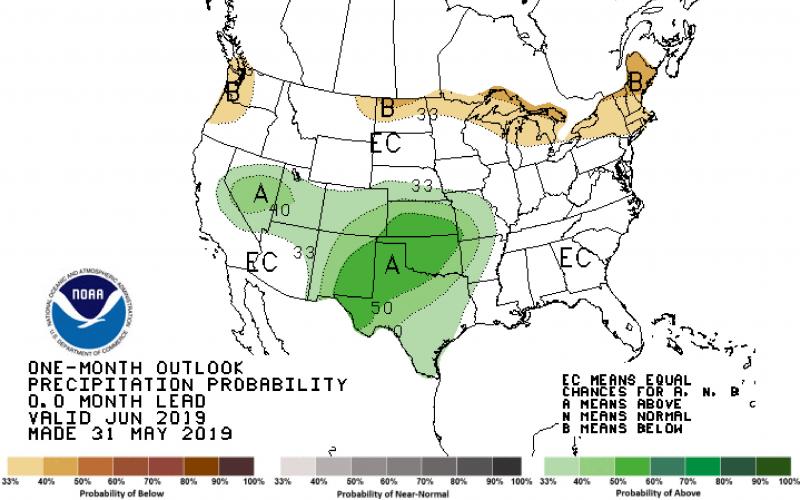
June 2019 Climate Outlook for South Dakota
As South Dakota emerges from the wettest 12-month period in 124 years of climate recordkeeping (June 2018-May 2019), June has started warmer and drier than average. The outlook, however, turns towards cooler and wetter than average again for the middle of the month.
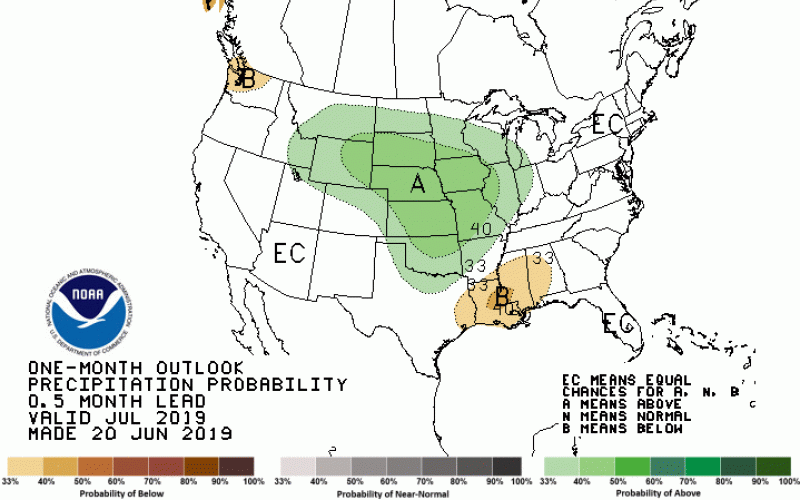
July 2019 Climate Outlook: Challenges Continue
This year’s seasonal pattern of wetter than average conditions is projected to continue through July and the rest of the summer season. The latest climate outlook, released June 20, 2019, shows an increased chance of wetter than average conditions in the next one to three months for the state of South Dakota.
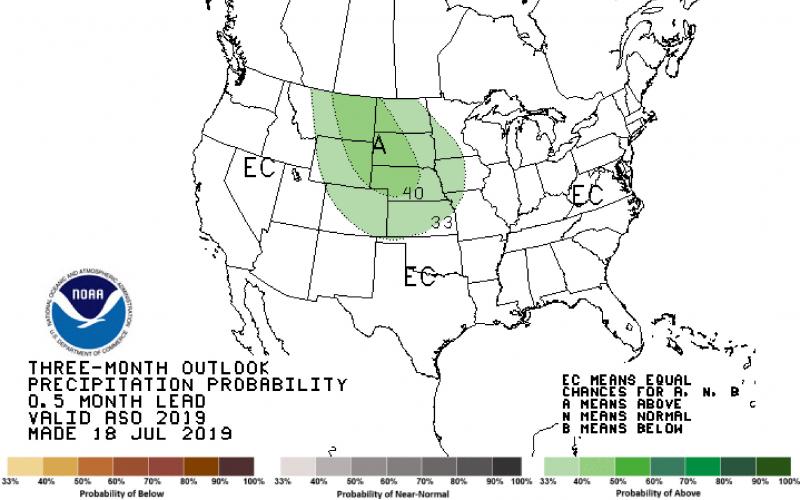
Wet Conditions Likely Into Fall Season
Many locations in South Dakota have already received as much precipitation this year as they do in an entire average year. The latest climate outlook from NOAA’s Climate Prediction Center shows increased chances of wetter than average conditions to continue into the fall season.
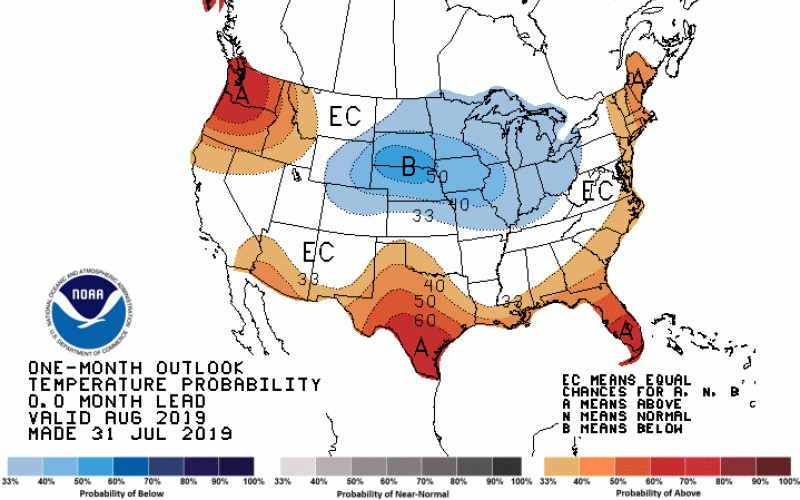
August 2019 Climate Outlook: Cool and Wet
According to the latest climate outlook update, odds are favoring that August 2019 will be cooler than average. The update was released by NOAA’s Climate Prediction Center on July 31, 2019.