Small Grains
All Small Grains Content
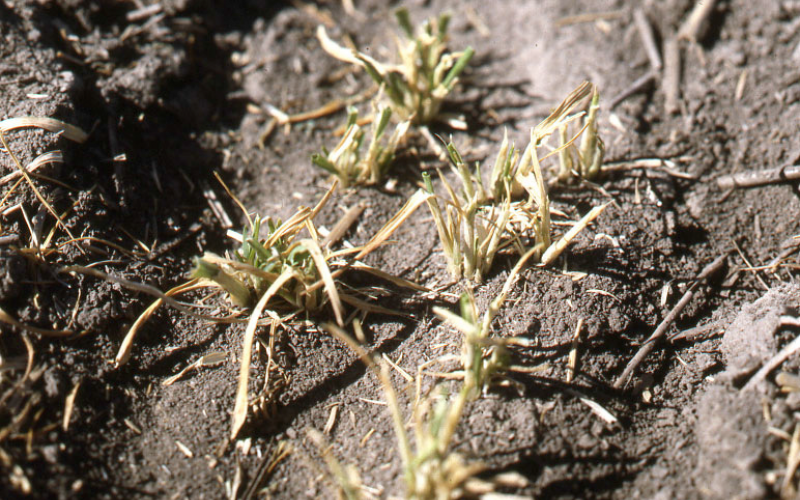
Time to Start Scouting for Cutworms in Winter Wheat
Eventually, South Dakota will warm up. The warmer temperatures will increase insect activity, including pests. For wheat, a couple of early season pests that may already be active are the army cutworm and the pale western cutworm.
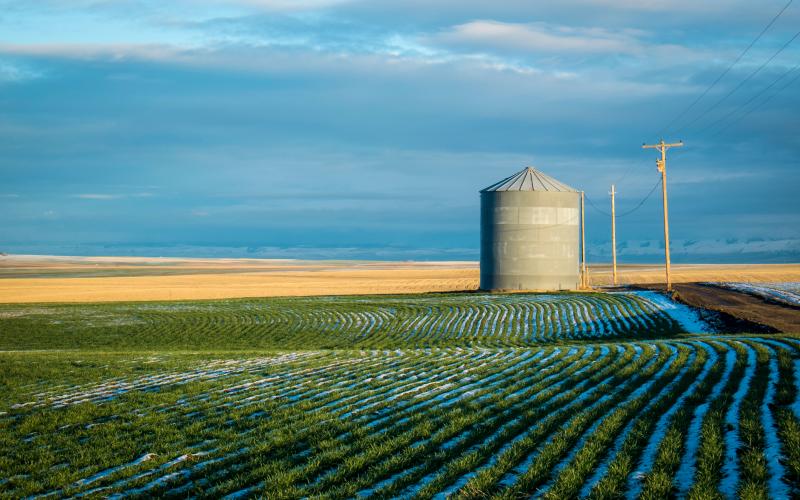
Climate Adaptability of Winter Wheat
For most of us, wheat is wheat. However, there is a distinct difference between spring and winter wheat, even though the vegetative characteristics of these two wheat types are very similar.
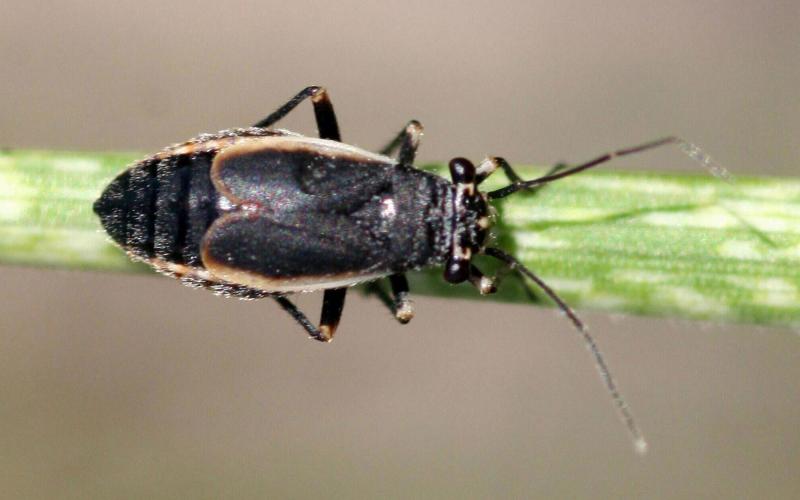
Black Grass Bug Activity Expected in Coming Weeks
Spring green-up is the time to be watching for black grass bug activity. Large populations of this early-season pest can cause severe damage to pasture (up to 90% forage reduction) and infest the edges of wheat fields.
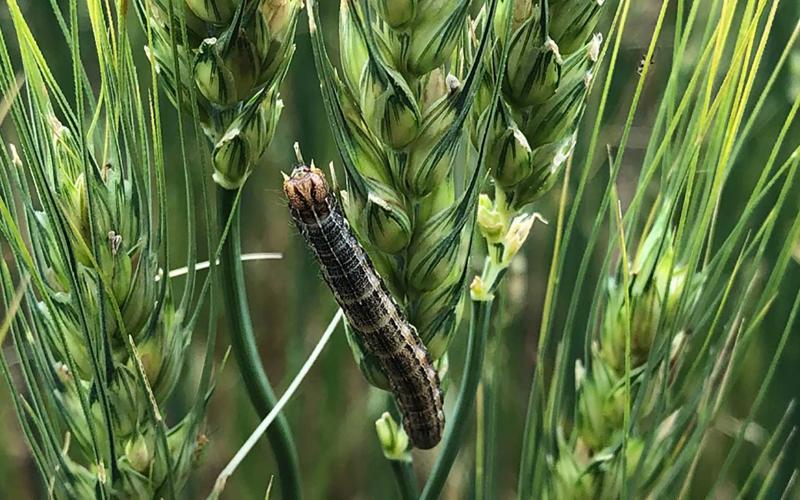
Scout for True Armyworms in Oats and Wheat
During most years, we start worrying about true armyworm activity in wheat fields in mid-July. However, the strong southerly winds that we experienced during the last two weeks pushed several insect pests north ahead of their normal schedule
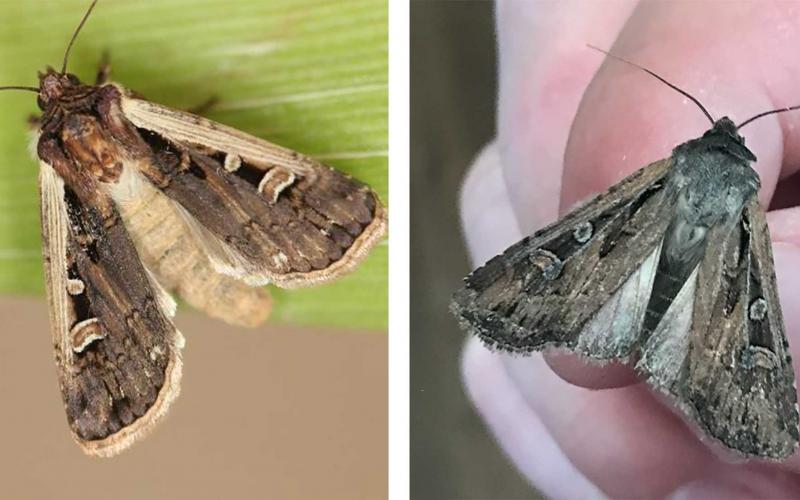
Army Cutworm Moths Among the Recently Reported Western Bean Cutworm Moths
Last week, we published an article about the presence of western bean cutworm moths being very abundant throughout Central and Western South Dakota. However, when talking with an entomologist from a neighboring state, they suggested the moths could also be army cutworm moths.
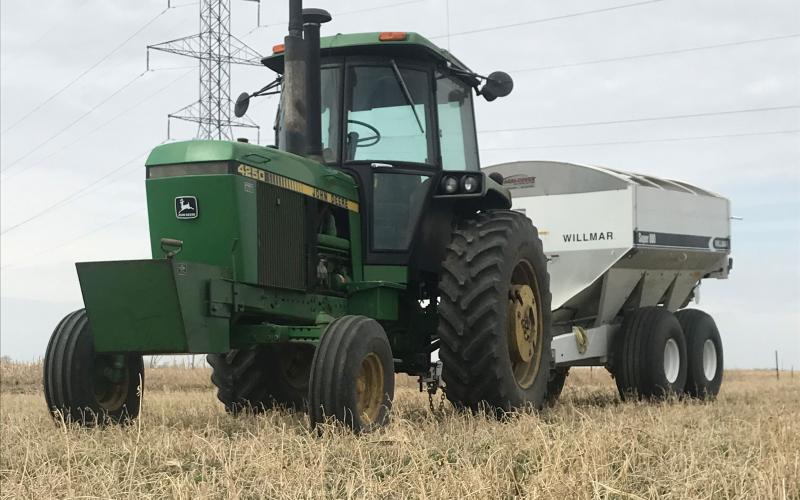
Fertilizing Forages in South Dakota
Spring is a busy time for South Dakota farmers and ranchers with planting, calving, and other field preparations. Soil sampling and fertilizing pastures, alfalfa, or other forages might be overlooked.
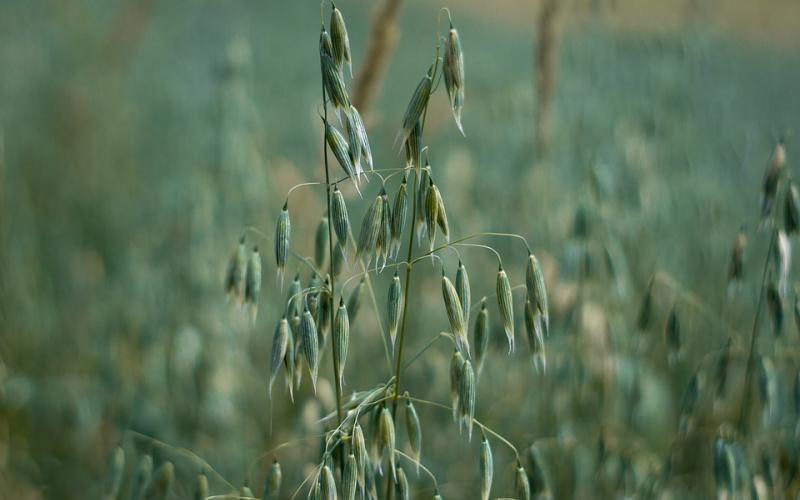
Using Plant Growth Regulator in Oats Grown for Grain
With growers’ interest emerging, SDSU Extension and research faculty teamed up and initiated a study in 2016 in Northeast SD to evaluate the effects of plant growth regulator. The study was conducted at the SDSU Northeast Research Farm (NERF) near South Shore, SD.
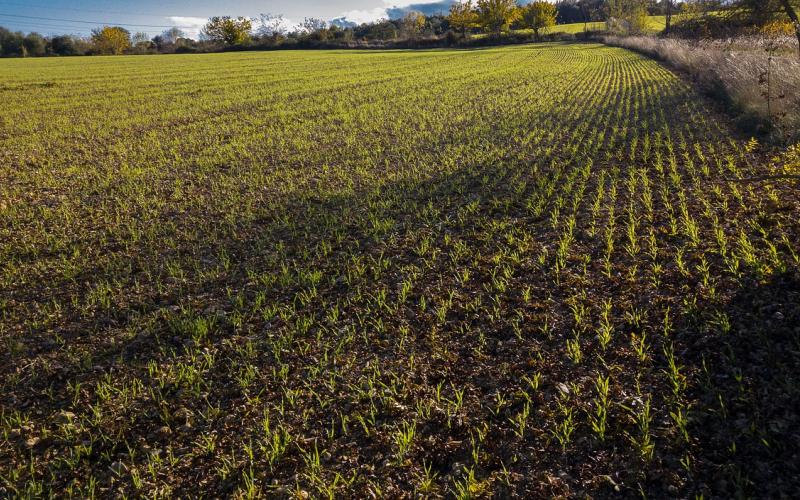
Double-Crop after Wheat?
Two crops in one year may sound tempting, and for some crop species is possible, but before doing so, producers should consider possible crops and compare the potential benefits with the drawbacks.