Small Grains
All Small Grains Content
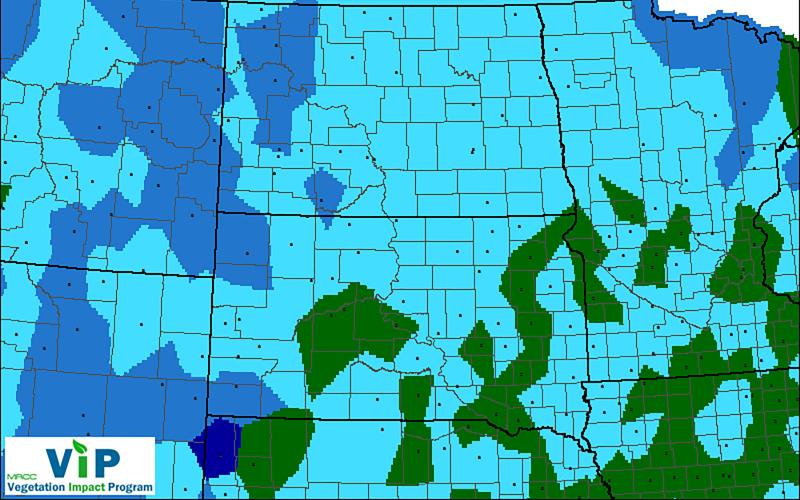
Fall Frost and September Climate Outlook for 2019
This year’s struggles with weather and climate are continuing this fall. Late planting of corn and soybeans in the spring have now combined with near average or cooler than average summertime temperatures. This combination has led to slow crop growth and the need for an extended frost-free season to ensure these crops reach maturity.

Plant Growth Regulator Reduces Height, Lodging in Oats
With the goal of reducing lodging in oats, SDSU Extension and a research team initiated a multi-location trial in 2018 growing season to study the effects of plant growth regulator (PGR) on oat performance.
Planting Into Wet Soils
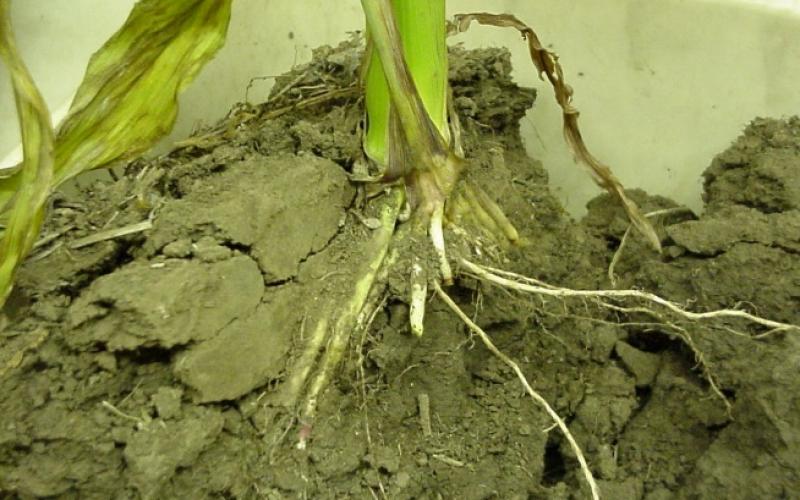
It is evident that there are high chances of planting into wet soils this spring. This is not a good decision when normal soil conditions appear to be attainable, but this year we may not have a choice.
South Dakota Land Use Trends (2012-2017)
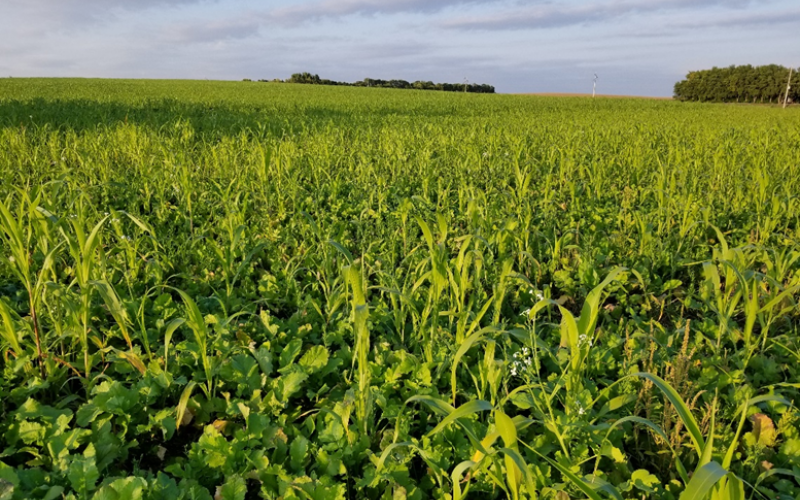
Significant education efforts for natural resource conservation have occurred in South Dakota during the last five years. Many stakeholder groups have brought awareness for soil health and water quality to the forefront.
Cover Crops & Livestock Integration: A Profit Opportunity for S.D. Farms
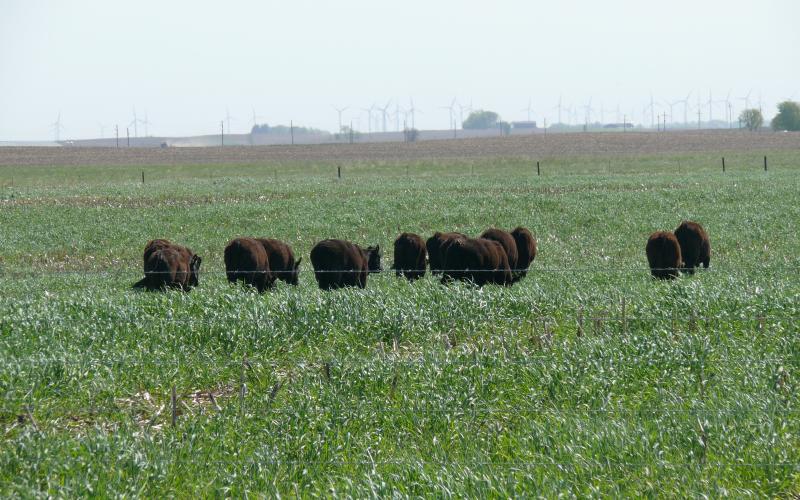
Cover crops have been gaining a reemerging acceptance over the last decade, with very few producers disagreeing about the potential soil health benefits of adding cover crops to their farming operation.
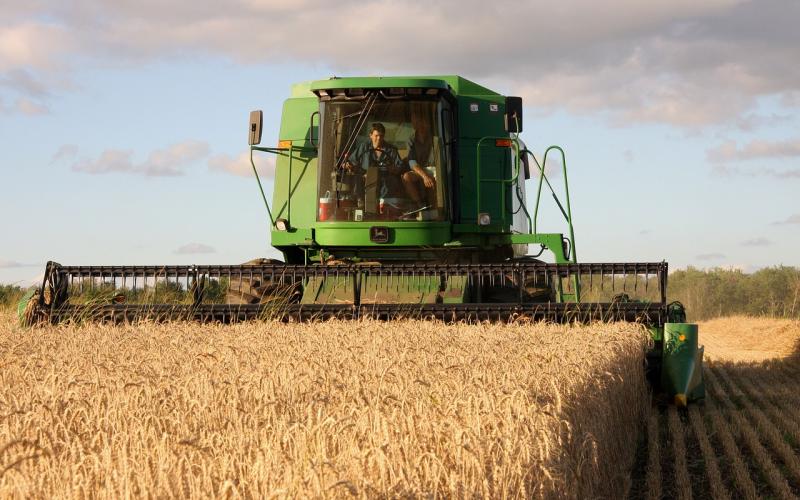
Factors Affecting Wheat Production Decisions: Producer survey findings
Recent USDA data shows that during the past 3 years acres devoted to wheat production continue declining in both South Dakota and North Dakota (USDA, 2018). South Dakota wheat acres experienced a remarkable decrease of 31.5% during the past 3 years, compared with a relatively mild drop of 16.4% by North Dakota.
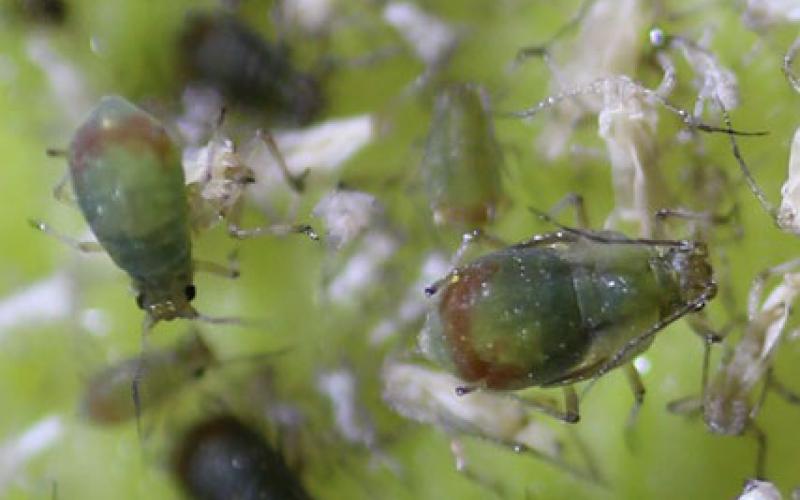
Scouting Winter Wheat for Aphid Pests
Although we cannot predict aphid pressure in winter wheat, there are measures that may be taken to reduce the risk associated with these insects.
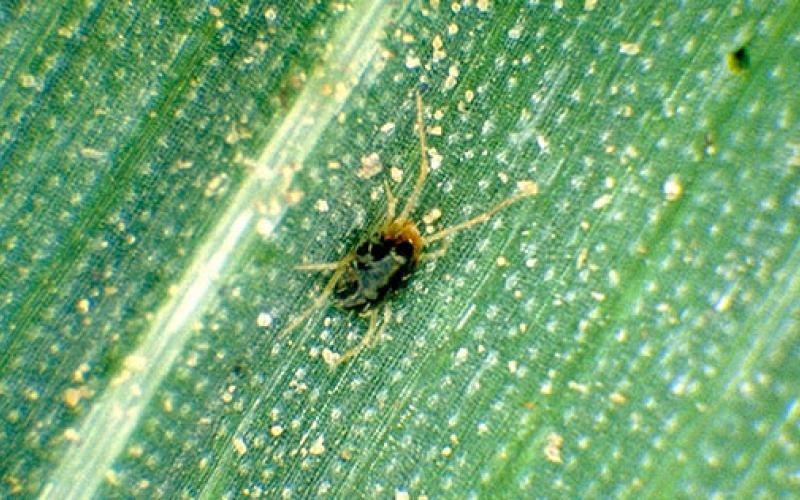
Scouting Winter Wheat for Mite Pests
Winter wheat planting is underway in South Dakota. After wheat emergence, it is important to scout for brown wheat mite and wheat curl mite populations.
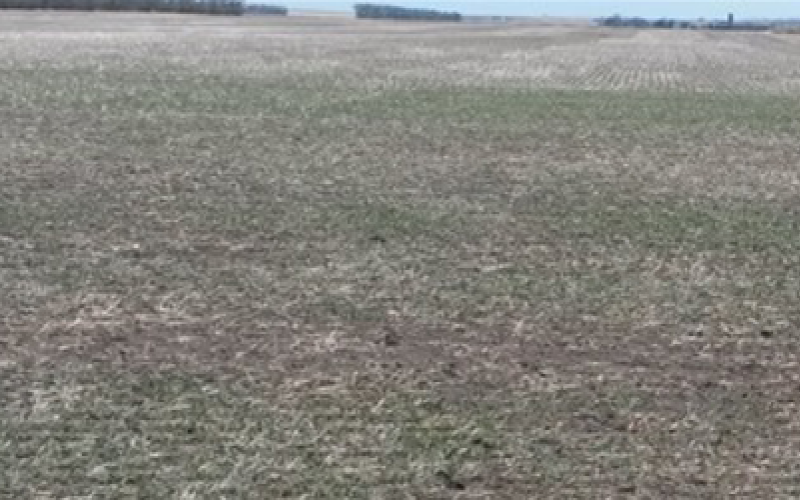
What Makes Winter Wheat a “Winter Wheat”?
For most of us wheat is wheat; however there is a distinct difference between spring and winter wheat, even though the vegetative characteristics of these two wheat types are very similar. Winter wheat can withstand freezing temperatures for extended periods of time during the early vegetative stage and requires exposure to freezing or near freezing temperature to trigger reproductive stage. In other words, if winter wheat does not go through a period of cold temperatures, then it will not produce seed. Two things needed for winter wheat to perform at optimally and produce good yields are- cold acclimation and vernalization.
SDSU Releases Two New Spring Wheat Varieties
Two new spring wheat varieties, Forefront and Advance are being increased by South Dakota Foundation Seed Growers and will be available to everybody in 2013.