Small Grains
All Small Grains Content
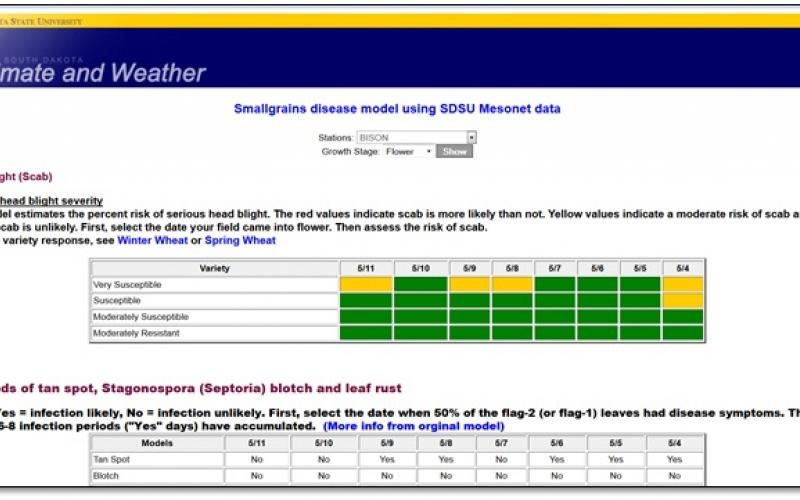
The Small Grains Disease Forecasting System Could Save Producers Money
The South Dakota State University Small Grains Plant Pathology program has partnered with the Small Grains Plant Pathology program at North Dakota State University to deploy a small grains disease forecasting system for South Dakota. The system uses weather variables including rainfall, temperature, and relative humidity to predict the likelihood of disease development. This new tool has the potential to save growers money by helping them avoid unnecessary fungicide applications, or knowing when to apply a rescue fungicide treatment.
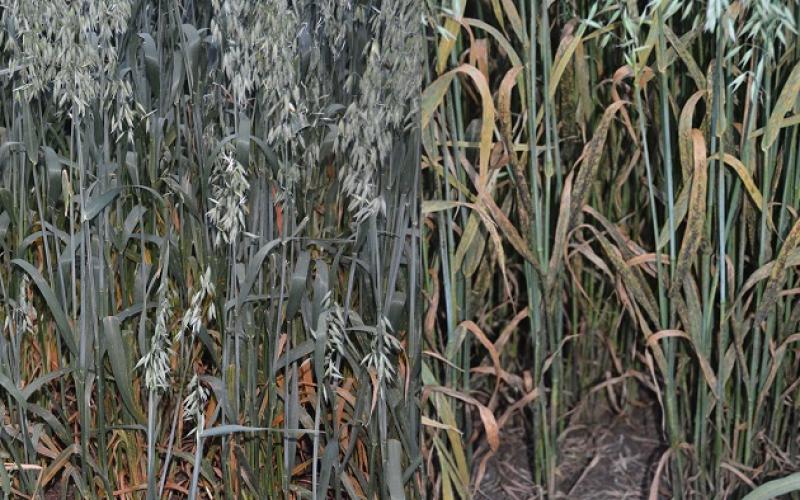
Utilize a Fungicide For Crown Rust Prevention in Oats
If you are growing oats this year for grain, be sure to scout and plan a fungicide application to protect the oats from crown rust.
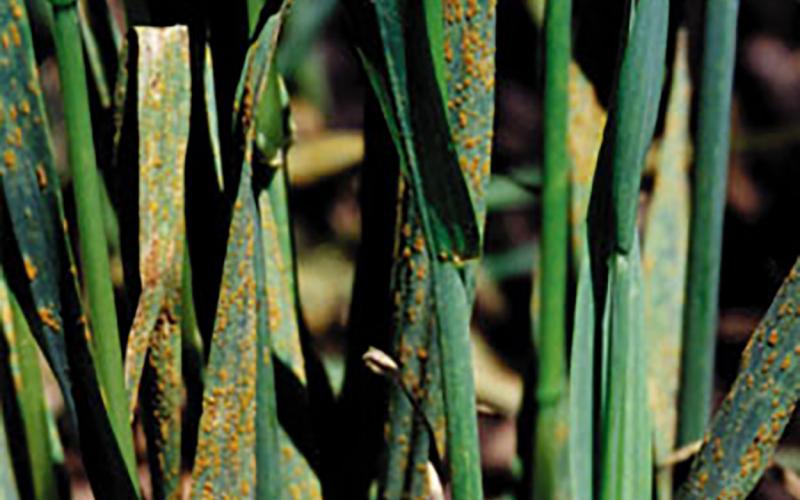
Does Crown Rust in Oats Cause Problems for Livestock?
When wet, cool conditions predominate in the spring, crop producers may have to deal with crown rust in oats. When this crop disease is abundant, questions from livestock producers arise. Could crown rust in oats harm livestock if it’s present on pasture or in hay?
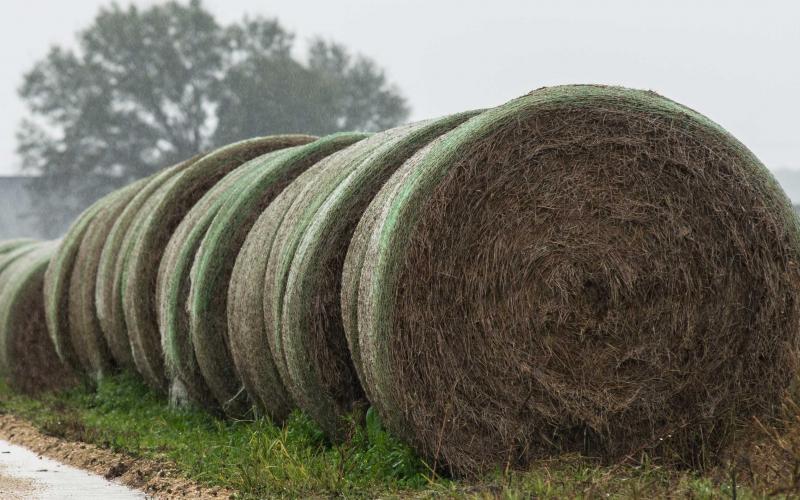
Round Bale Storage Conservation
Fact sheet discussing conservation of round bale storage.
Growth Stages of Wheat
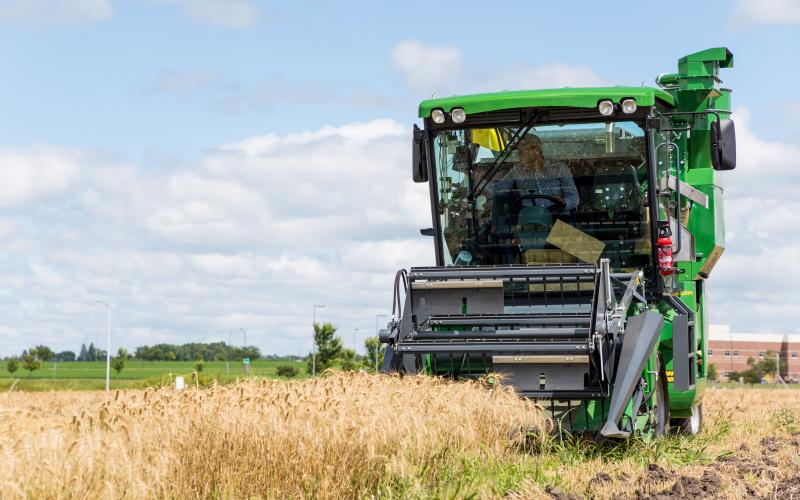
Management decisions in wheat production are almost always based on growth stages of the crop. So it is important for wheat producers to be familiar with these growth stages.
Scouting Wheat Fields
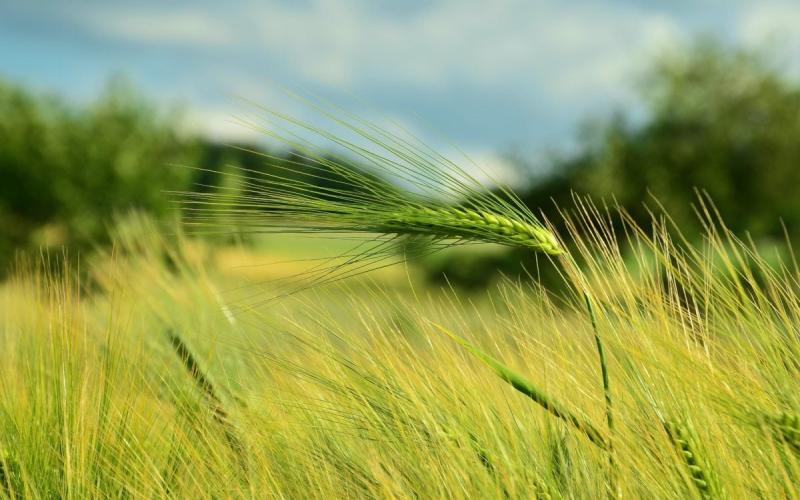
Scouting is the process of monitoring fields and crops during a growing season. It can provide producers with field specific information on pest pressure and crop injury.
Water Use by Plant Stage
Over the growing season, solar radiation, air temperature and plant size are the dominant factors in determining evaporative demand and the rate of water use by wheat. Water use can vary dramatically on a day-to day basis, depending on climate and wheat health.
Improving Protein Content in Wheat
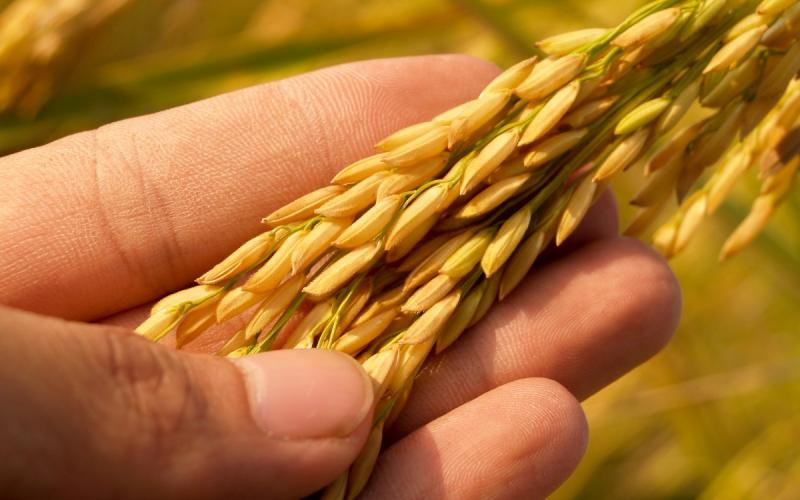
Wheat producers in South Dakota always strive to grow a premium product. Quality in wheat often depends on test weight and protein content.

Planting Considerations for a Late Spring
Farm fields in some areas are unusually wet this year with many low areas under water. These conditions will make planting a challenge for farmers this year.
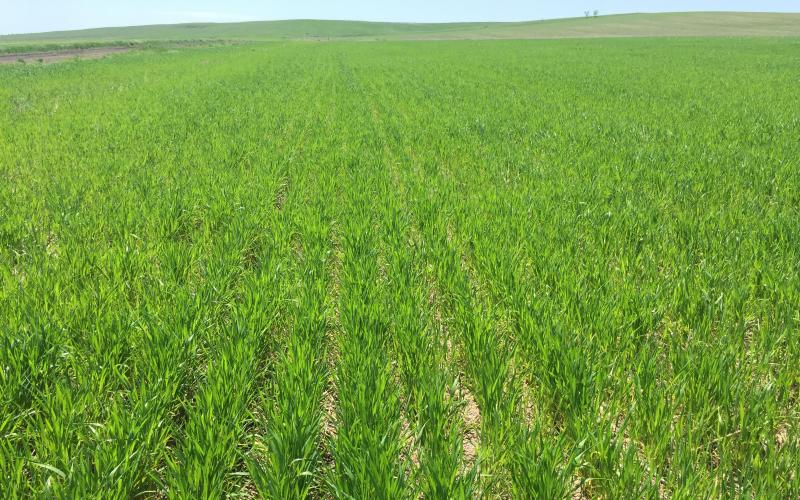
Planning for Quality in Wheat
Excess moisture and limited field days have made it difficult for producers to add nitrogen to wheat fields this year. This could be a concern, as nitrogen contributes to both yield and protein. This year, it may pay off to take tissue and soil tests from questionable wheat fields to help with nitrogen application decisions.