Small Grains
All Small Grains Content
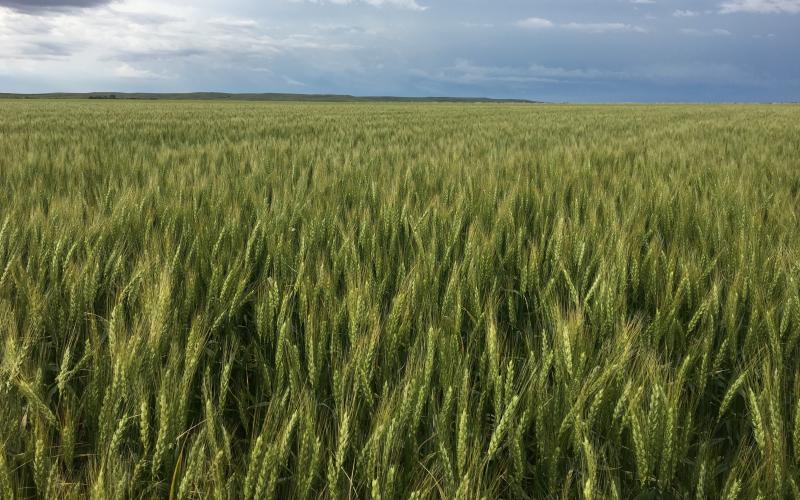
Small Grain Pre-Harvest Options
Consider pre-harvest herbicide applications in crop ground planted with small grains that are grown for seed or forage. Dense weed populations may inhibit harvest, therefore proper control of them early in the growing season is best.
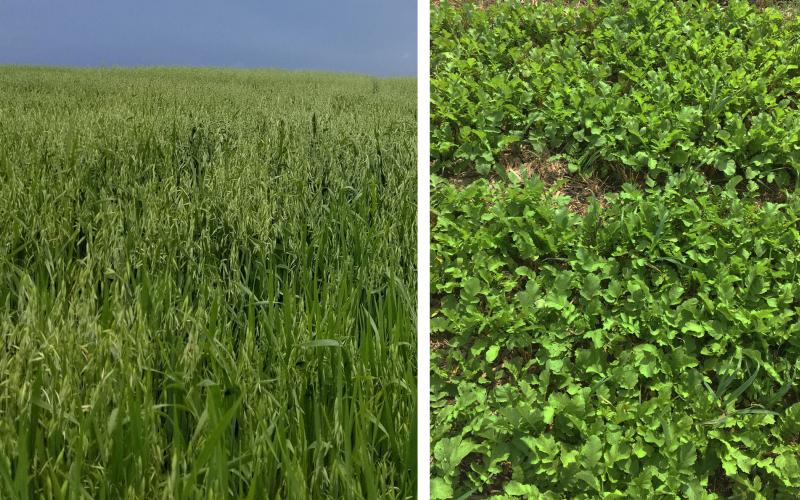
Herbicide Interactions With Cover Crops After Oats
After oats have been harvested, options exist to keep a living root in the soil. This can be done through growing cover crops. In 2018 an on-farm trial was preformed near Salem, South Dakota to observe how cover crops grown after oats would germinate after common herbicides had been applied.
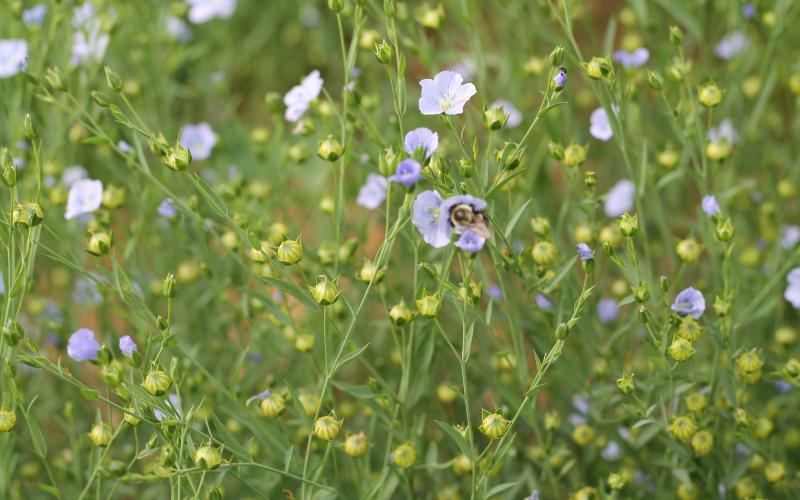
Herbicide Residual Effects on Cover Crops after Wheat
Fact sheet about herbicide residual effect on cover crops after wheat.
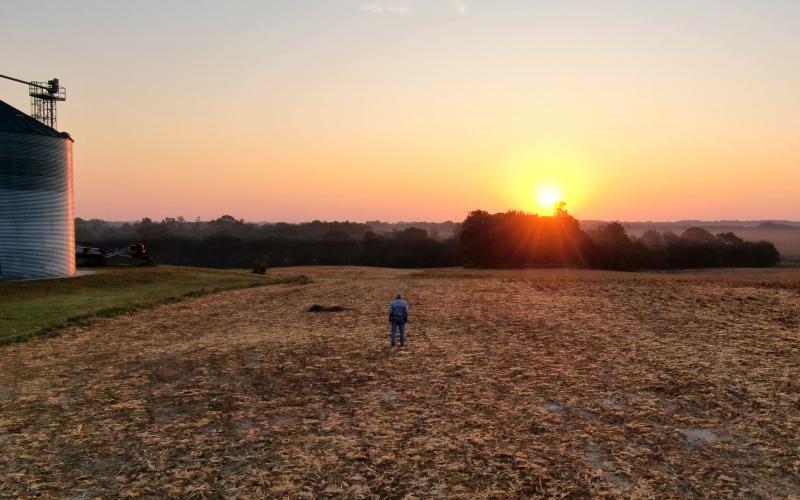
Crop Tolerance to Soil Herbicide Residual
Some herbicides can persist in soil, especially dry soil. Herbicide carryover could be an issue in 2021 across the state depending upon last year’s moisture levels and field conditions.
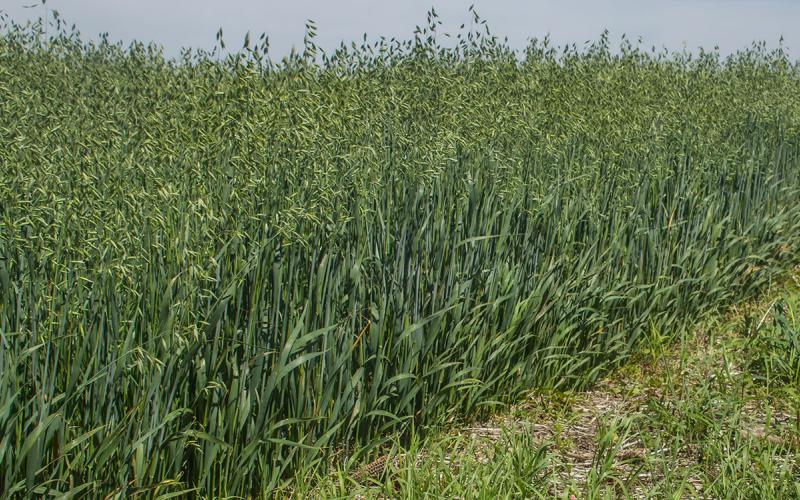
Planting Considerations for Oats in South Dakota
South Dakota is a leading oat producer in the United States. Learn some important oat planting tips, including timing, variety selection, seeding rate and fertilizer management.
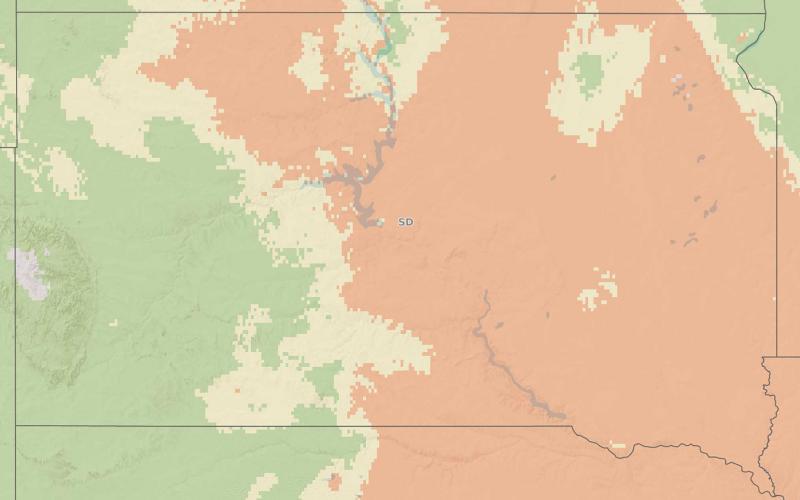
The Fusarium Head Blight Prediction Tool
The Fusarium head blight prediction tool, available through Penn State University and Mesonet at SDState, uses weather variables to predict the risk for Fusarium head blight in wheat.

Sooty Mold: A Saprophytic Fungi Observed in Wheat
While out crop scouting, sooty mold was observed in some South Dakota wheat fields. Sooty mold is a saprophyte, which can be easily mistaken for a disease caused by plant pathogens.
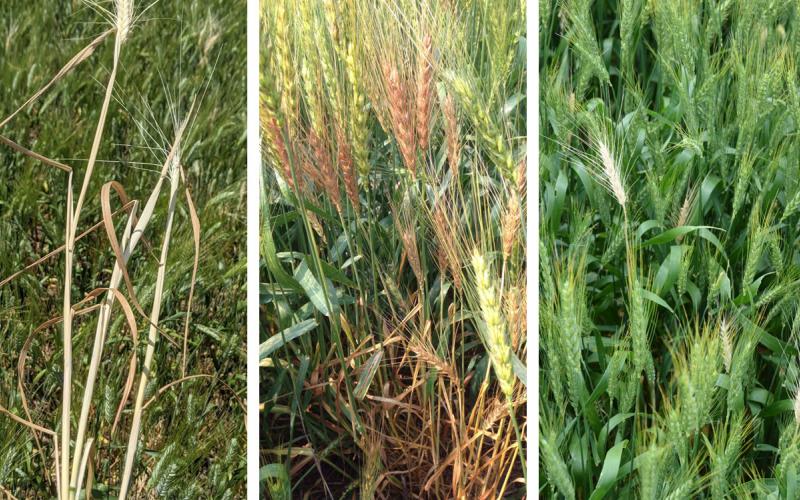
Differentiating Between Wheat Head Diseases and Disorders
Several diseases and disorders can develop in wheat heads. Learn the symptoms of several common disease and insect issues being observed in South Dakota wheat this growing season.

Wheat Streak Mosaic Developing in Winter Wheat Fields
A few winter wheat fields in central South Dakota have been found with wheat streak mosaic disease. Incidence of this disease varied from a few plants to large portions of the field with yellowing leaves.
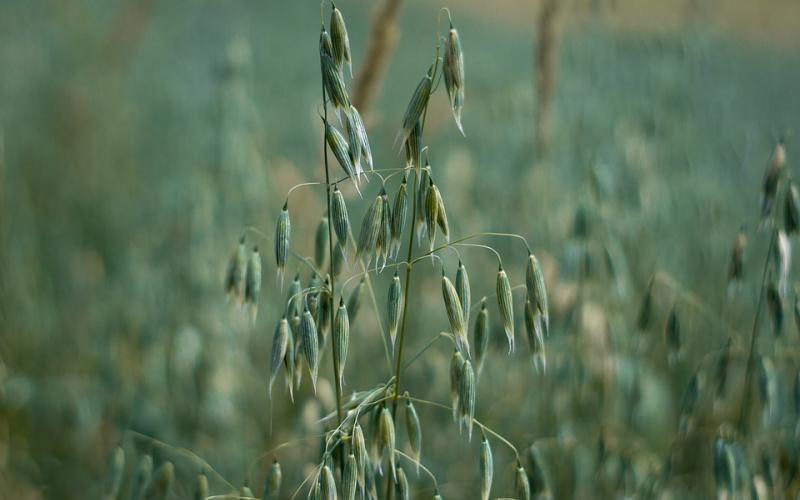
2020 Plant Disease Summaries for Small Grains
A number of field trials were implemented in the 2020 growing season with the general objective of assessing various disease management practices suitable for South Dakota growers and the Great Plains.