Small Grains
All Small Grains Content
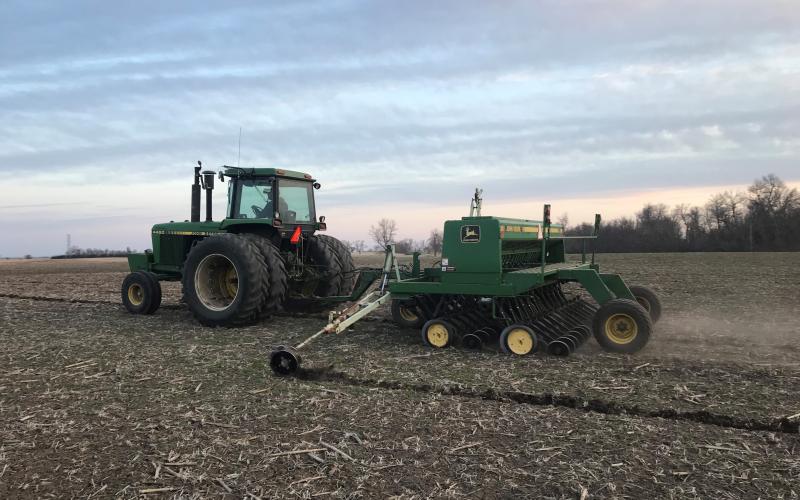
SDSU Extension Crop Hour webinar series starts in January
December 11, 2023
South Dakota State University Extension’s 2024 Crop Hour webinar series will start Jan. 9, with webinars hosted from 10 a.m. to 11 a.m. CST every Tuesday, Wednesday and Thursday for nine weeks.

Grasshoppers May Cause Problems for Winter Wheat During Fall 2023
As winter winter begins emerging, it is important to monitor field edges for grasshopper activity and feeding injury. This is especially true in areas where large populations have been observed throughout the summer.
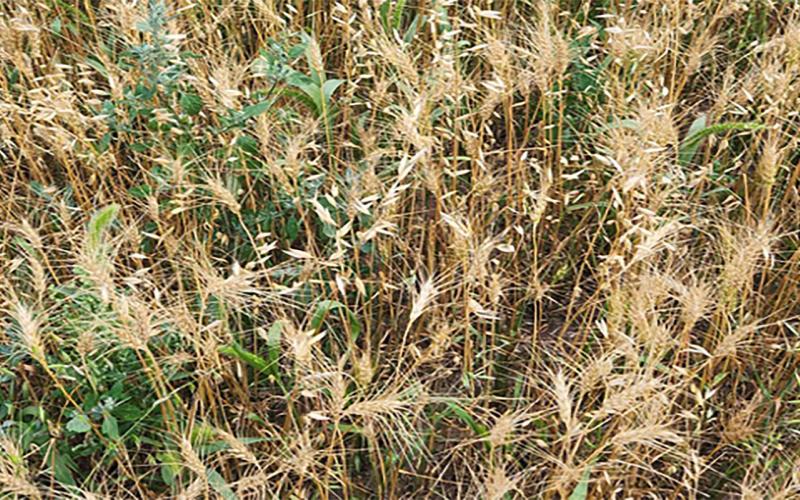
At-Harvest and Post-Harvest Weed Management Tactics in Wheat
Many pre and postemergence herbicides did not adequately control weeds during the 2023 growing season due to early dry and hot conditions. Despite the poor control, there are still options to implement at-harvest and post-harvest to help manage weeds.
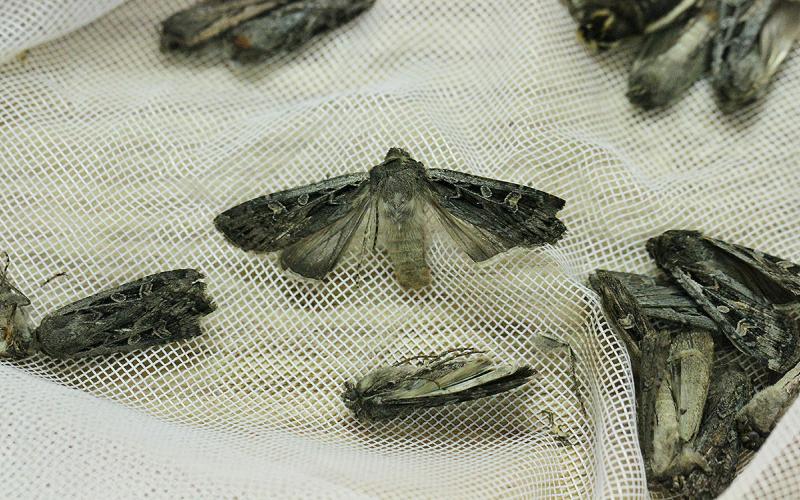
Army Cutworms Returning to South Dakota
A black light trap at the SDSU West River Research Farm near Sturgis has started capturing army cutworm moths. This indicates that the moths that migrated west this spring are returning to the South Dakota plains to lay eggs.
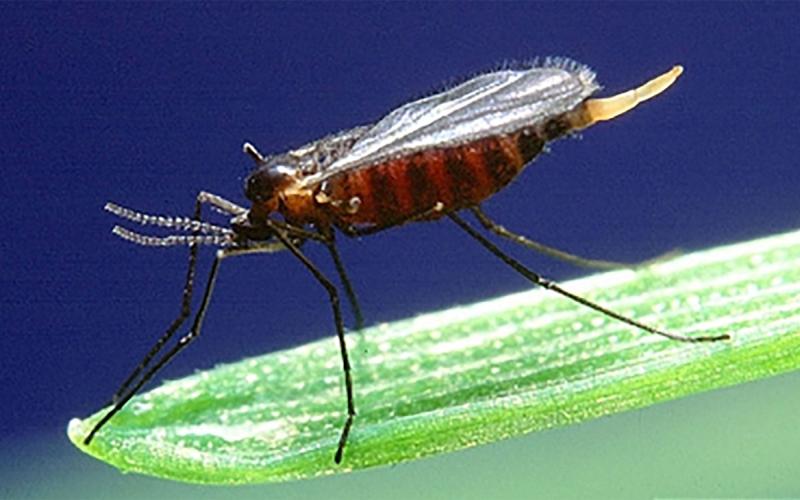
Hessian Fly: Preventing Outbreaks in Wheat
Hessian flies (Mayetiola destructor) are tiny, gnat-like flies. Their larvae are considered serious pests of wheat and occasional pests of barley and rye.
Brown Wheat Mites Active in South Dakota Wheat
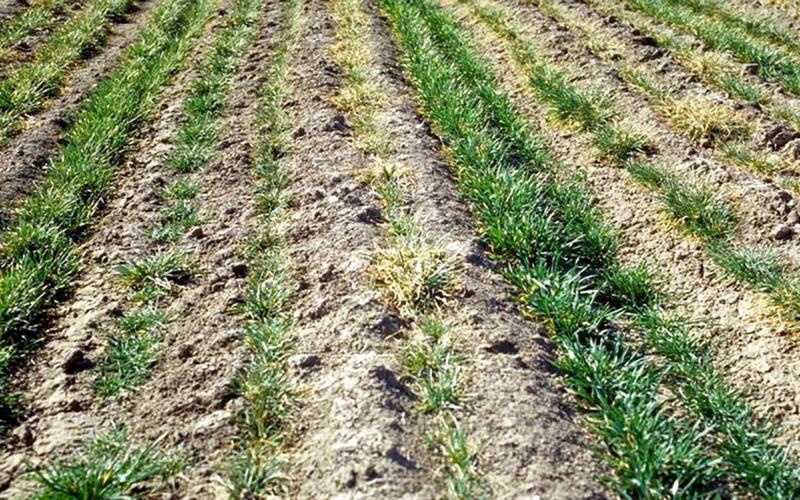
There have been reports of brown wheat mites active in wheat in central and western South Dakota. To date, reports have been for minor infestations, but severe infestations are possible.
Low-Level Aphid Populations Present in Wheat
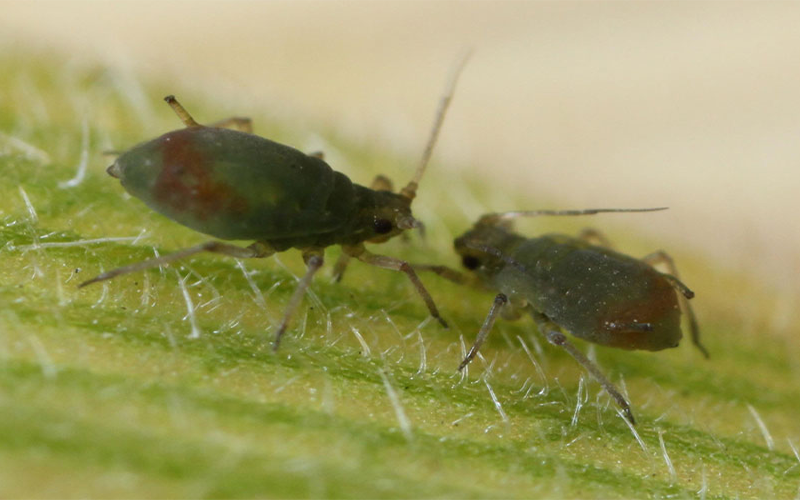
We are starting to receive reports of aphid populations in wheat fields throughout much of South Dakota. At this point in the season, weekly scouting is the best bet to monitor the populations.
Wheat Stem Sawfly: An Overview
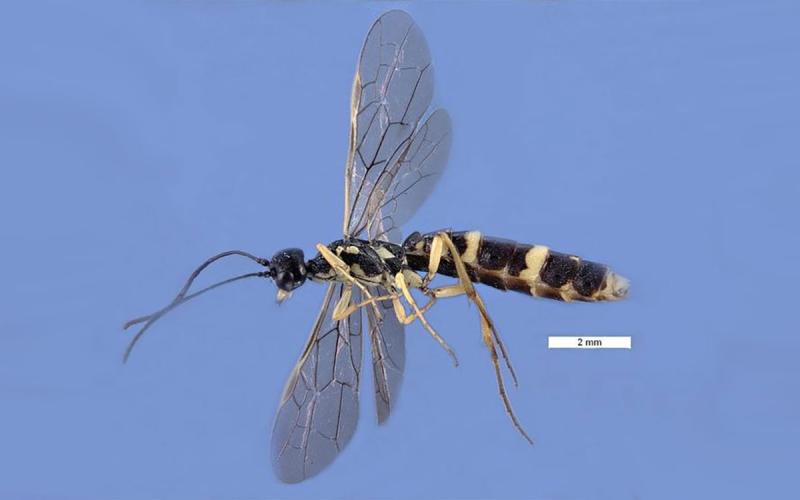
In recent years, the northwestern and north central regions of South Dakota have struggled with the presence of sawfly populations in wheat fields. Learn some tips for identifying and managing them in wheat.
Army Cutworms Are Active in South Dakota Wheat
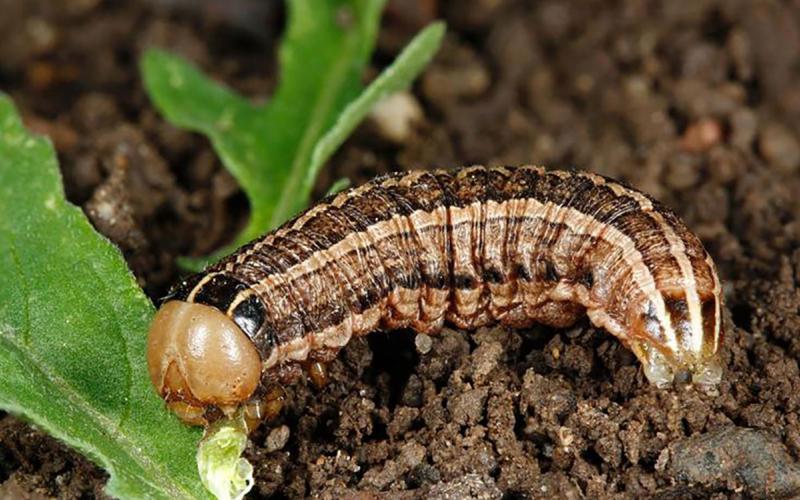
Army cutworm caterpillar activity in winter wheat was detected a couple of weeks ago in South Dakota. Forecasted warmer temperatures will make conditions favorable for army cutworms to start feeding.

Grasshoppers May Be an Issue for Winter Wheat This Fall
We have recently observed large populations of grasshoppers in Southeast and Western South Dakota. Due to their destructive feeding habits, it is very important to monitor their populations prior to and during winter wheat planting.