Small Grains
All Small Grains Content

Oat Variety Trial Results
In 2025, oat variety trials were planted throughout various locations in South Dakota.
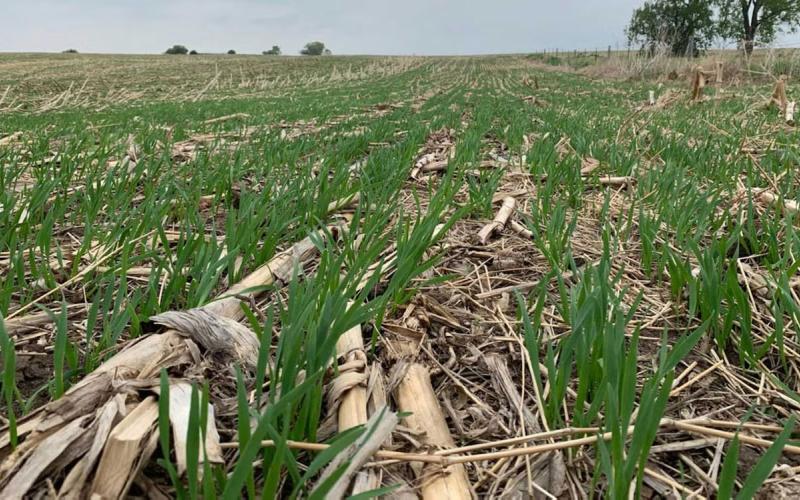
Oat Nitrogen Fertilizer Rate Guidelines: Do we use the yield goal or maximum return to nitrogen approach?
Nitrogen is an essential plant nutrient commonly applied to oat crops. It is important to apply an appropriate rate of nitrogen fertilizer to oats, as too little can reduce economic return, while too much can lead to potential negative environmental effects.
Spring Wheat Variety Trial Results
The 2025 spring wheat variety trials were planted throughout various locations in South Dakota.
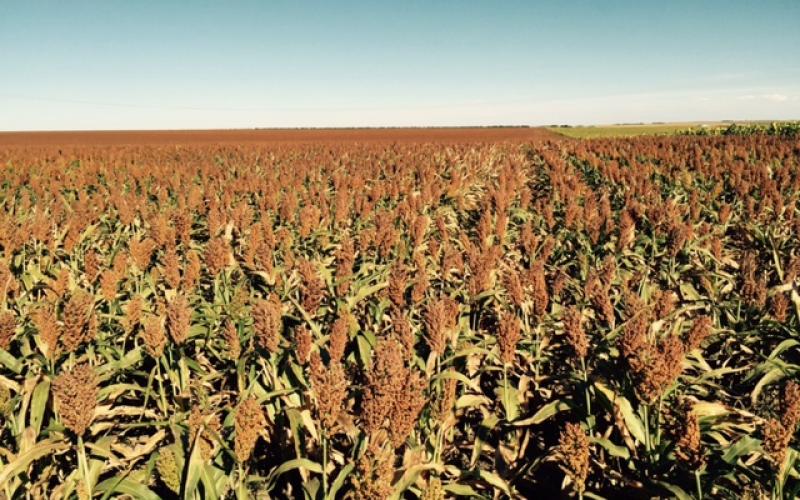
Sorghum Trial Results
In 2025, sorghum trials were conducted in 2 locations in South Dakota.
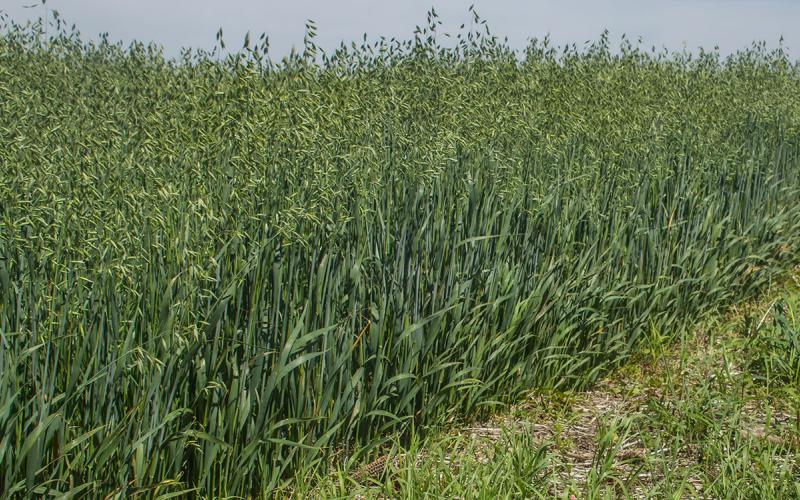
Updating Oat Nitrogen Fertilizer Rate Recommendations in South Dakota
Research trial results for nitrogen fertilizer rate recommendation for oats in South Dakota.
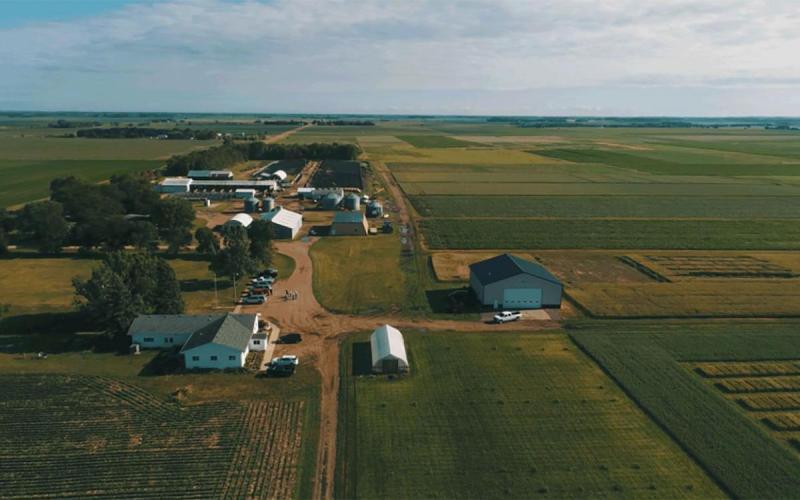
Southeast Research Farm Seminars @ Dakota Farm Show
Join SDSU Extension for a series of educational presentations during the Dakota Farm Show from January 6-7, 2026, at the USD DakotaDome (1101 N Dakota St, Vermillion, SD 57069).
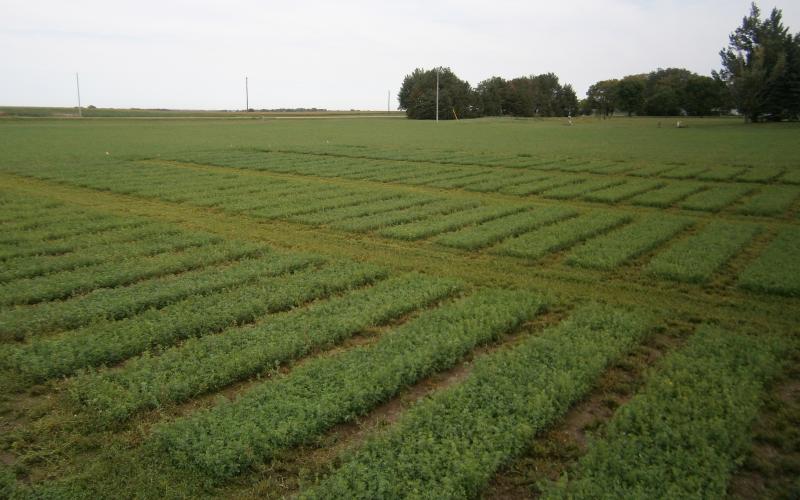
Forage Variety Trial Results
The 2025 Forage Variety Trial Results include data from different locations in South Dakota.
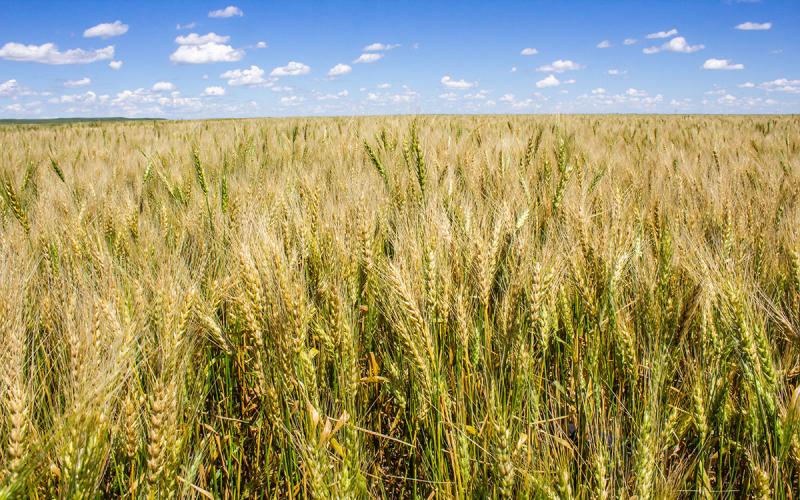
Winter Wheat and Nitrogen: Decisions for 2026 Growing Season
With fertilizer representing one of the largest variable costs in wheat production, inefficient nitrogen use can quickly erode profit margins. This being said, an emphasis should be placed on how to improve nutrient management during the 2026 growing season.
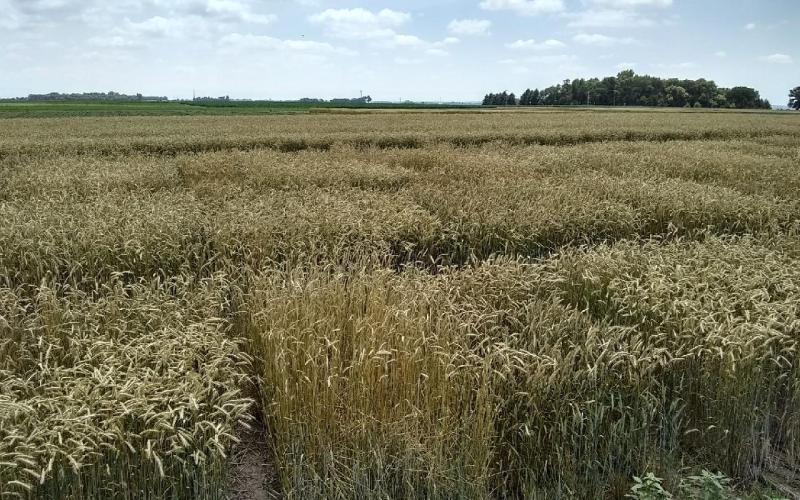
Rye Variety Trial Results
2025 Rye Variety Trial Results in South Dakota.
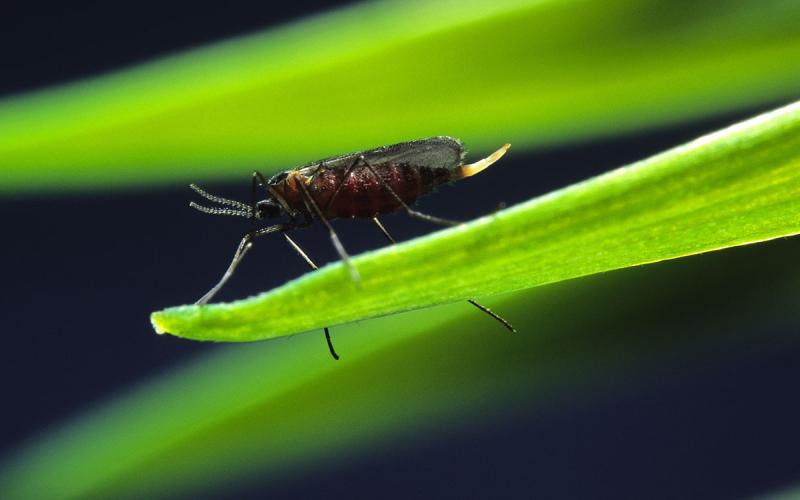
Hessian Fly: Winter Wheat Planting Date Considerations
As winter wheat planting rapidly approaches, there are many factors that should be considered. One of those factors is choosing a planting date to avoid Hessian fly issues. Learn some expert tips for selecting a safe planting date for your region.