Insect & Pests
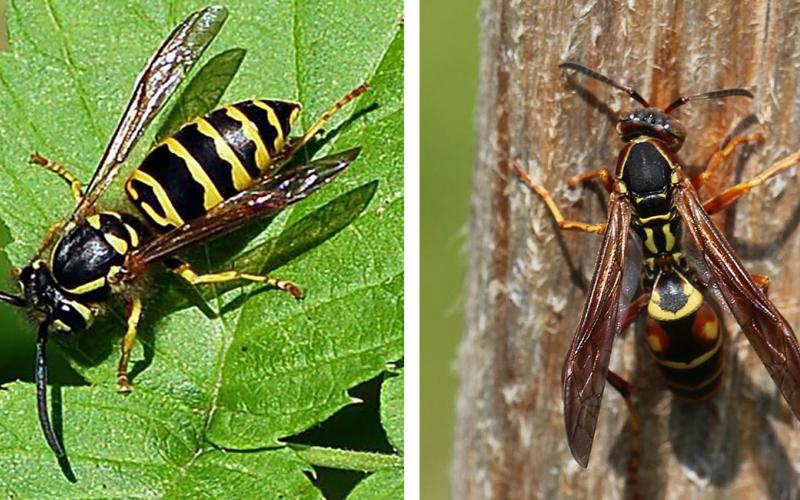
Wasp Activity Is Ramping Up
With their distinctive black and yellow stripes and tendency to hang out in groups, wasps receive attention no matter the time of year. As the weather warms up and spring progresses, you may notice more wasp activity in your yard or around your house.
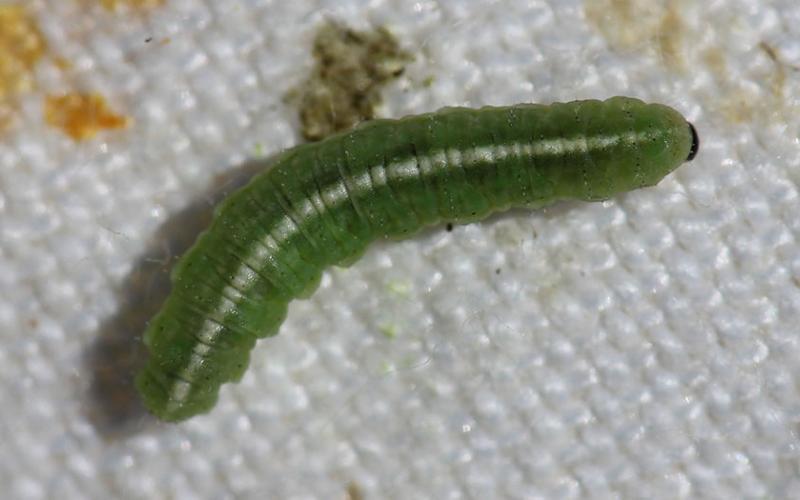
Alfalfa Weevil Activity Prediction Update: April 27, 2020
It is finally warming up across much of South Dakota and that means the degree days are beginning to accumulate more rapidly. Alfalfa weevil activity is likely in areas around Rapid City, Hot Springs, Cottonwood, Mission, Pierre, Winner and Vermillion.
Alfalfa Weevil Activity Prediction Update: April 20, 2020
During the last week, the colder weather that we experienced across South Dakota resulted in very little degree day accumulation. However, in some areas enough degree days have accumulated to potentially lead to adult activity within alfalfa fields.
Alfalfa Weevil Activity Prediction Update: April 14, 2020
The alfalfa weevil is a major spring insect pest of South Dakota alfalfa. Before 2018, this insect was reported as having large populations throughout much of South Dakota. However, during 2018 and 2019, we received fewer reports of alfalfa weevils, which may have been a result of the cooler and wetter spring conditions that were observed.
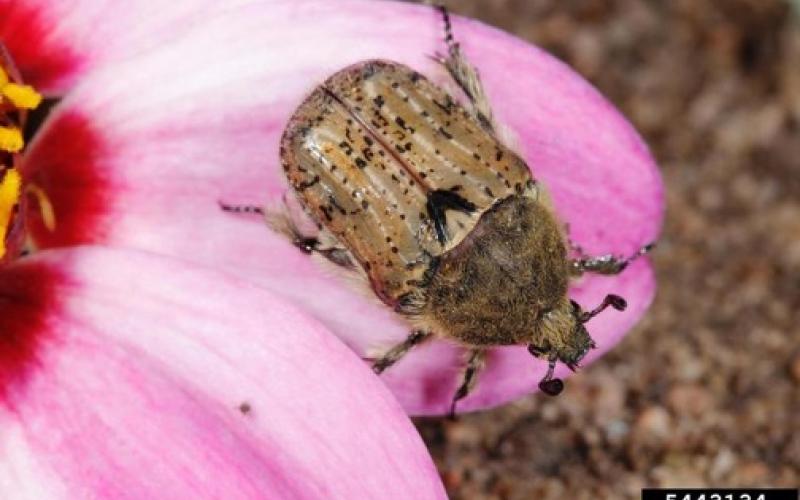
What are Those Large Beetles in My Garden?
One of the insects that starts to attract attention this time of year is the bumble flower beetle.
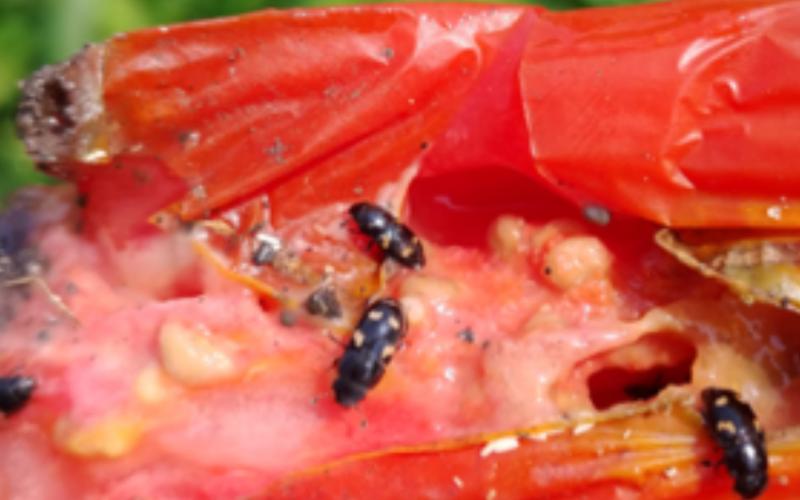
Insects are Invading My Produce!
Ripe fruit that has been injured as well as ground fall fruits often attract undesirable insects into an area.

What’s Killing My Zucchini and Squash Plants?
For many of us, this time of year is tough for our zucchini, squash and pumpkin plants. A close inspection of wilting plants may reveal a sawdust-like substance around the soil surface or on the base of the stem. When pushed, the plants typically break and reveal clear evidence of insect feeding through the stem.
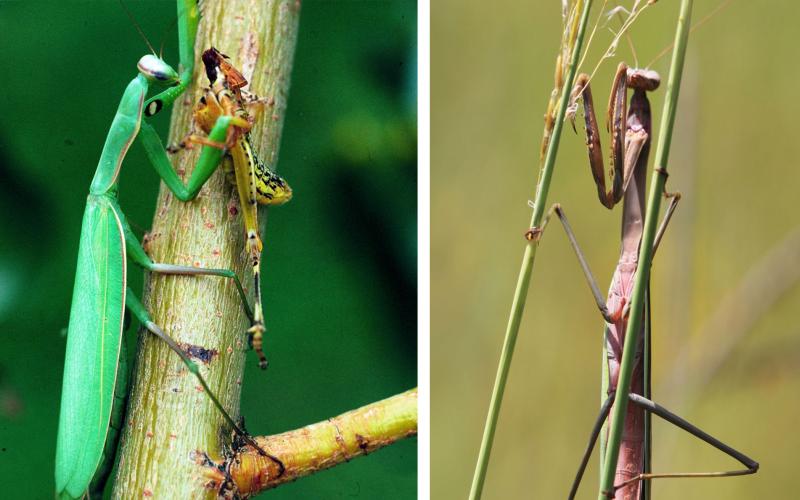
Are There Praying Mantises in South Dakota?
The short answer to the title of the article is "yes." Both the European mantis and the Chinese mantis can be found in South Dakota. As their names indicate, neither species is native to North America.
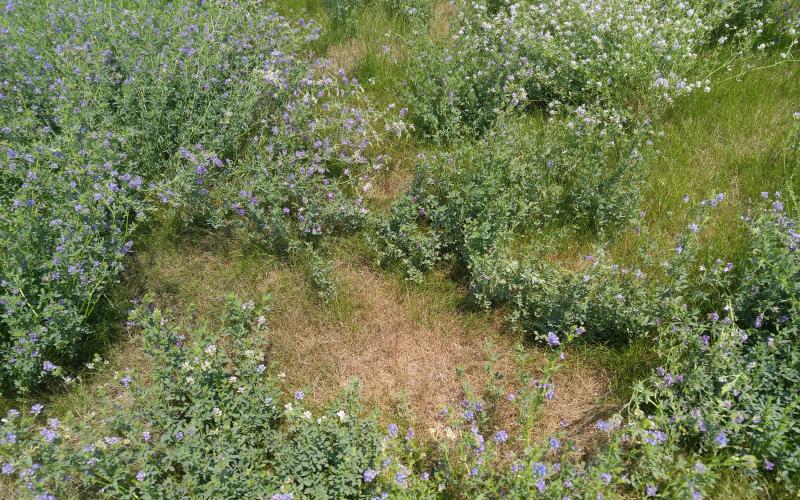
Scouting for Grasshoppers in Pasture and Alfalfa
For 2019, we have either received reports of very high grasshopper numbers or of very low or nearly absent populations. Most reports of high populations have originated from areas near rivers and other waterways. This suggests that the rich foliage along the banks of waterways has provided excellent habitat for grasshoppers and has boosted their populations in those areas.
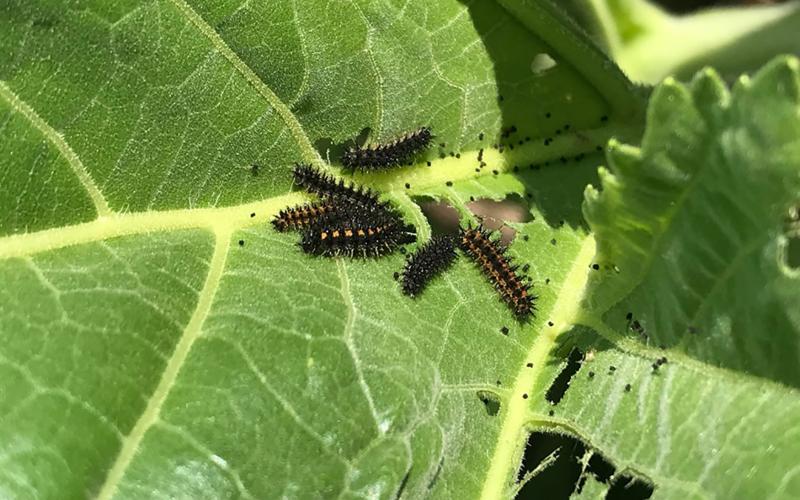
Checkerspot Caterpillars in Sunflower
While scouting sunflower near Sturgis this week, we came across outbreak levels of checkerspot caterpillars that were defoliating the plants. Similar sightings have been reported throughout Western and Central South Dakota in recent weeks.