Garden
All Garden Content
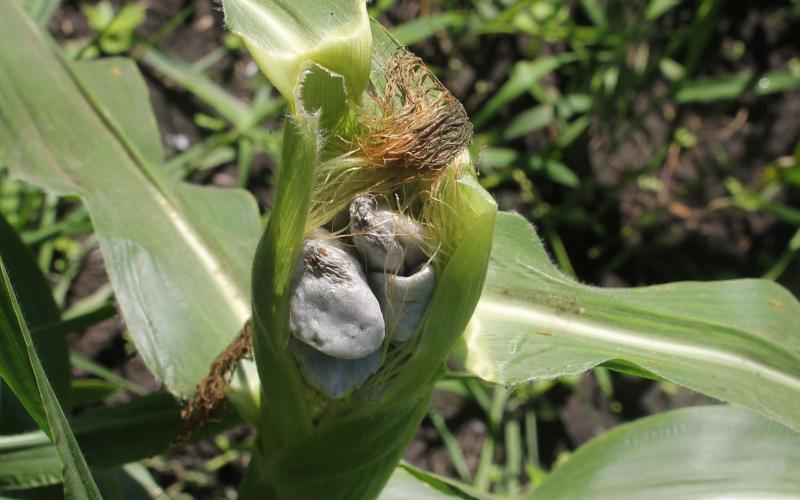
What's Bugging Your Garden? Smut on Sweet Corn
Smut is a fungal disease that can attack the leaves, stalks, tassels, silks and cobs. While many fungal diseases cause spots on the leaves or stems, smut is much more flamboyant.

What is This Fruit… And is it Edible?
In mid- to late-summer, we often get the questions: “What kind of fruit is this?” and “Is it edible?” To identify a fruit, it is helpful to know both plant and fruit characteristics: Woody or herbaceous plant? Vining or upright? Do the leaves attach to the stem opposite each other (i.e., paired), or do they alternate from one side of the stem to the other? What size and color are the fruit? Is each fruit’s stem attached directly to the twig, or are they in a cluster that attaches to the twig? And, one question I find often helpful in distinguishing among smaller fruits, does it have a single pit, or are there several seed in each fruit?
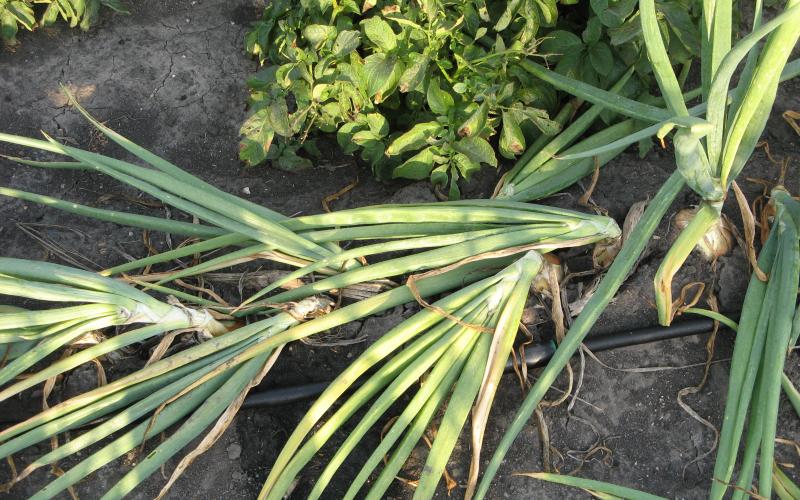
Growing Onions
Onions have been a commonly grown vegetable for thousands of years. They are easy to grow, nutritious and can be stored for months until they are needed as part of a meal. There are many different kinds of edible members of the Allium genus but bulbing onions are the most commonly grown.
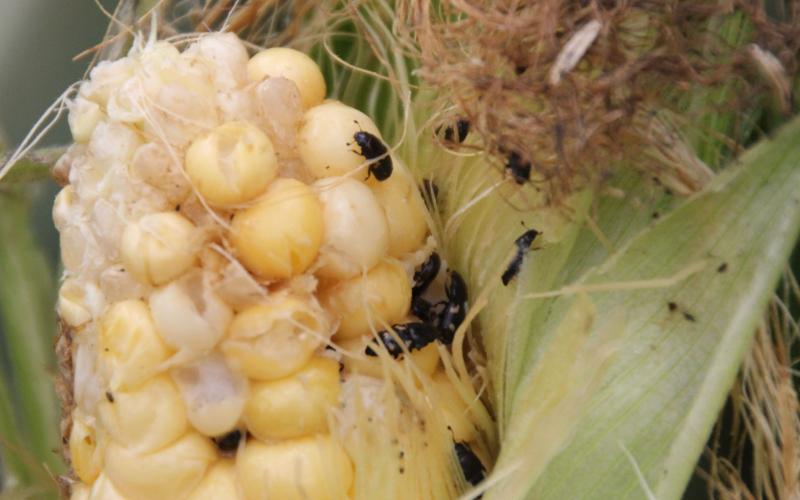
What’s Bugging Your Garden: Picnic Beetles
One of the most common garden insect questions I get asked is “what are those little black, spotted beetles that are in my sweet corn, tomatoes, raspberries and perhaps worst of all, in your beer! These little nuisances are called picnic or sap beetles. They are attracted to ripe or damaged fruit and vegetables.
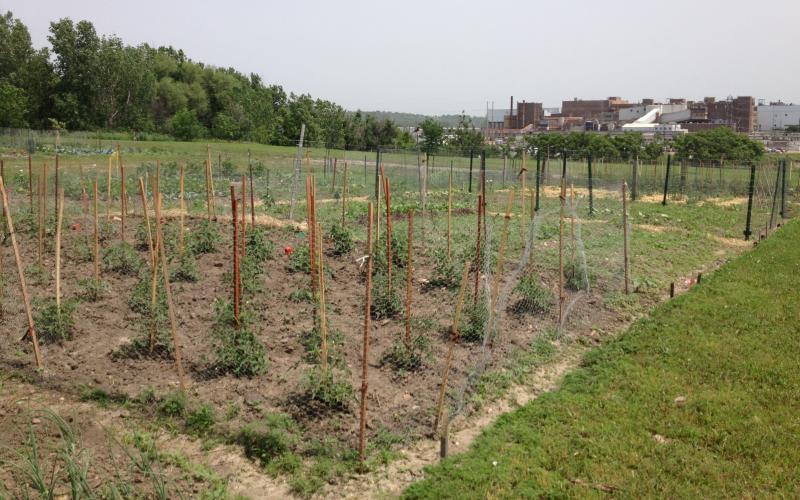
Community Gardens: Garden Rules - Operational Guidelines
When developing garden rules or participate guidelines it is important to address activities related to the operations of the garden. Clearly state that gardeners are expected to maintain their plot for the entire season and list the dates of the season during which they are responsible.
Garden Clubs & Associations
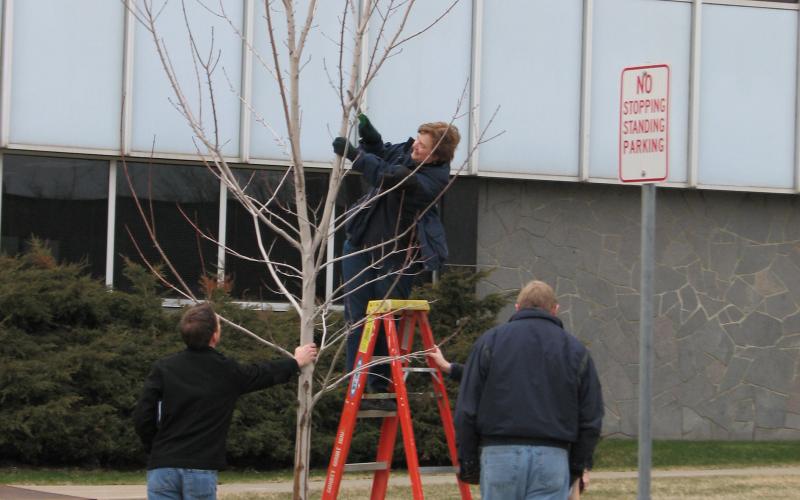
Novice gardeners and master gardeners share a love of and respect for nature, which is one of the many reasons why they naturally seek out like-minded individuals to organize clubs or associations.
Community Gardens: Liability Insurance
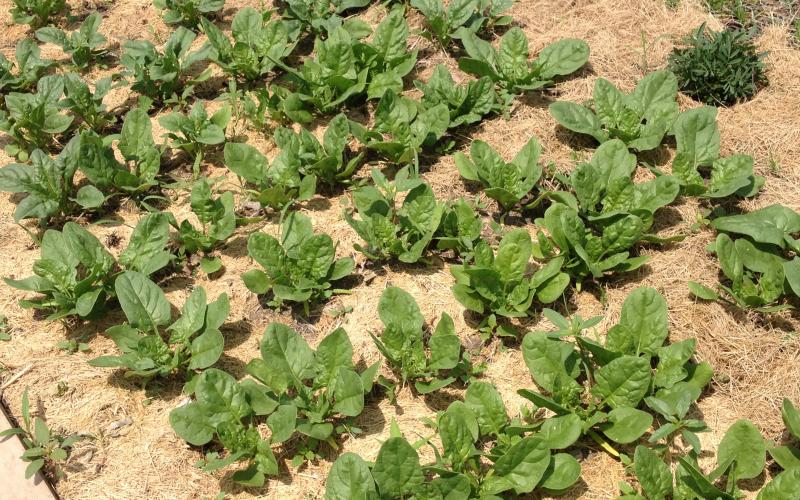
Groups organizing a community garden often ask about liability insurance. They will typically consider getting a policy if they have an organization to protect, or as coverage for the landowner in case a participant is injured and elects to sue.
Cranberries: A colorful and nutritious fruit
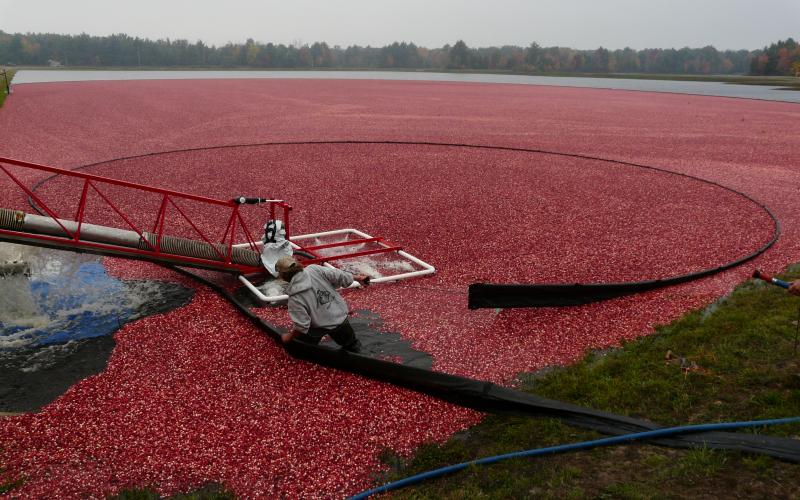
Fall is a busy time for farmers in the northern Great Plains, harvesting thousands of acres of corn and soybeans. Not too far away, in central and northern Wisconsin the harvest was in full swing too, but the crop they are harvesting is a small fruit called the cranberry. Wisconsin is the leading state in cranberry production, growing 60% of all of the cranberries consumed in the United States.

Choosing Vegetable Varieties for Your Area
Spring is coming and will be here before we know it. Gardeners are reading through catalogs, looking at that new variety of green bean, or maybe a gorgeous new tomato. The catalogs are written to hook you in by making these varieties look as good as possible. The photos are generally mouthwatering and the descriptions often seem a bit over-the-top.
Choosing the Perfect Christmas Tree
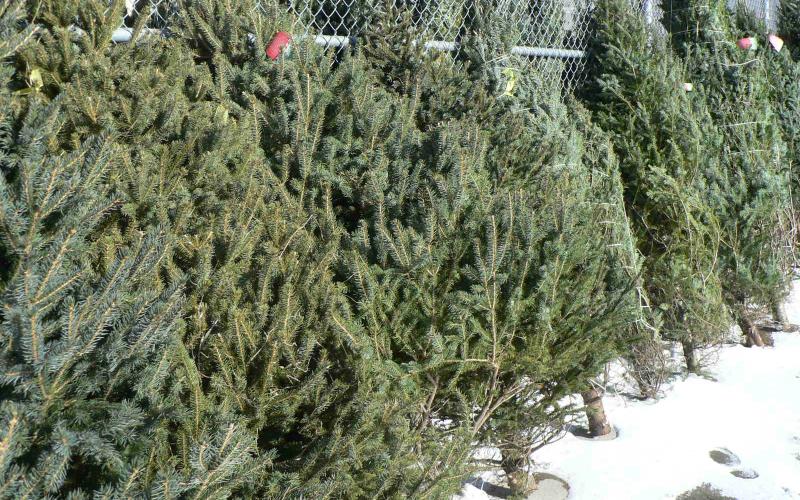
Christmas tree lots are already beginning to spring up around the state and Thanksgiving marks the start of the Christmas tree season, with more than 30 million trees being sold between Thanksgiving and Christmas.