Farm Management
All Farm Management Content
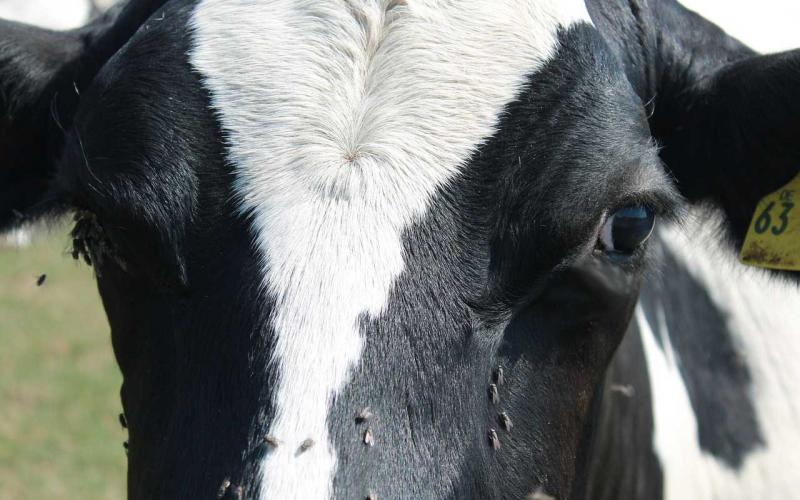
Fly Population Management on Dairies
Fly control on dairies is an important pest management consideration that impacts the bottom line by affecting overall animal productivity and health.
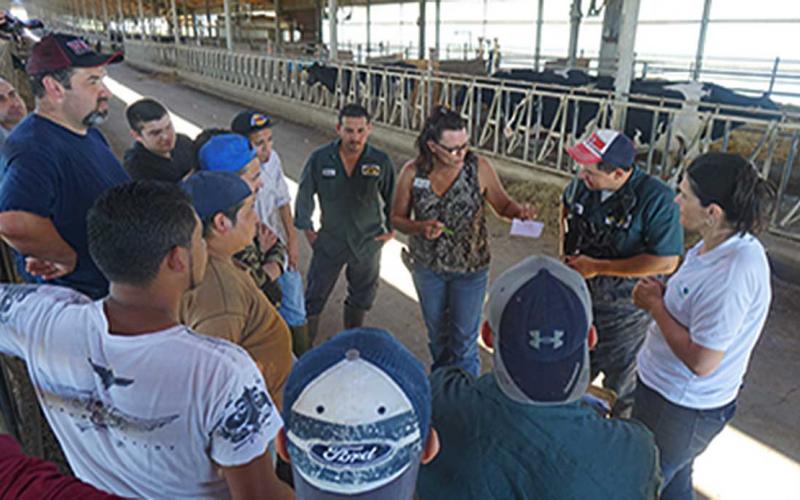
Optimizing Meetings on the Farm
No one wants to have a meeting for the sake of having one. So, when you decide to have a meeting with your employees, keep a few of the following suggestions in mind.
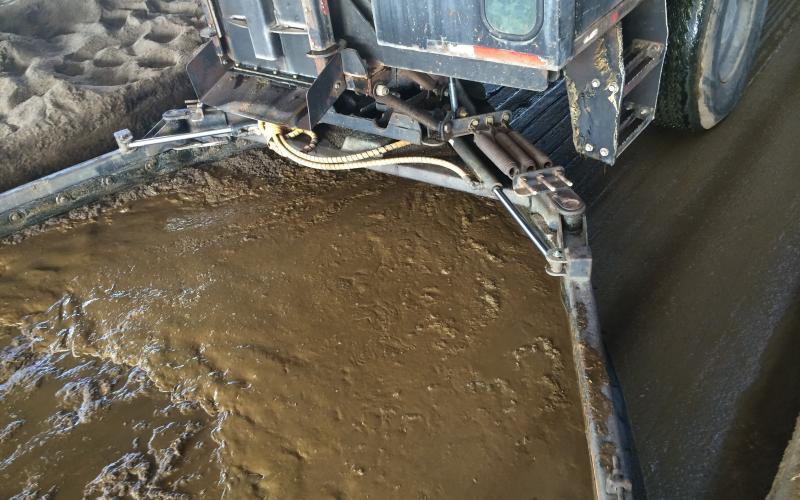
Understanding Manure Storage System Safety Risks
Many producers know and understand the risks associated with confined manure handling systems, but accidents and deaths still occur because unwarranted risks are taken as manure is being handled and removed from the systems.
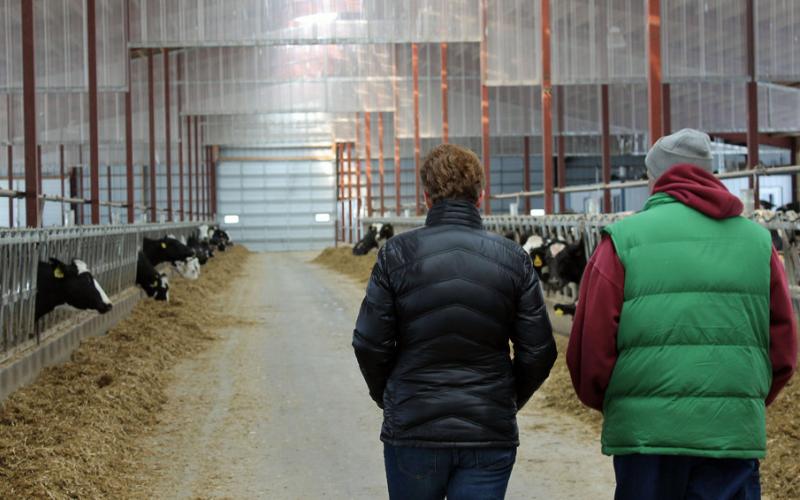
Emergency Preparedness on Dairies
Being prepared for an emergency on your dairy can significantly improve recovery time from an unexpected incident.
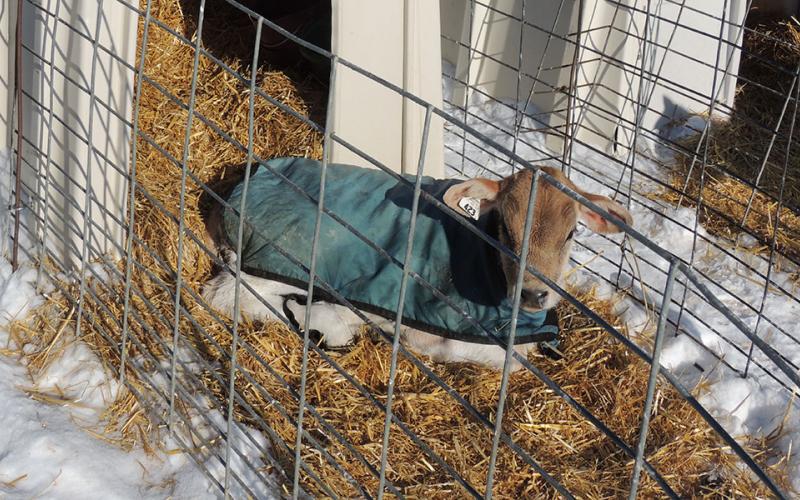
Winter Preparedness on the Dairy Farm
Weather this time of year can change in a hurry. So how many of you as dairy producers have heeded the warning and taken the time to prepare for the upcoming winter?

USDA: CFAP 1 Program Payment Benefits to Producers
In examining the USDA Coronavirus Food Assistance Program 1.0 website, we are able to directly see the impact of the program and the payments made to producers across the country.
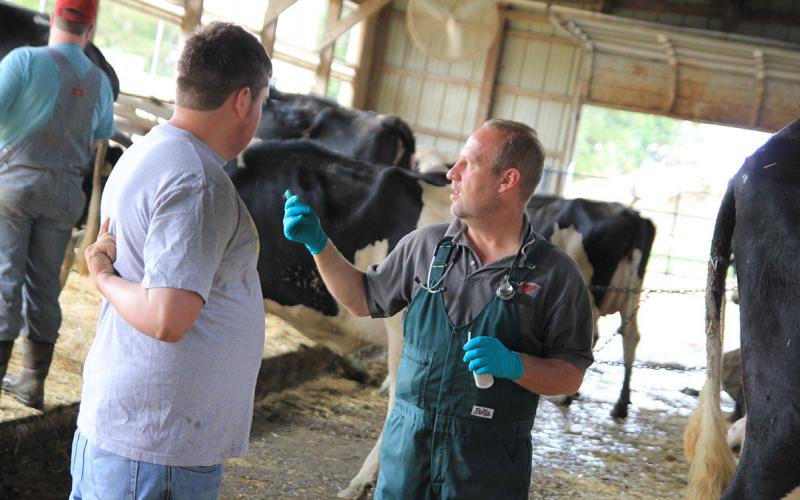
Coaching vs. Evaluations To Improve Ag Employee Performance
One of the most difficult things farm managers have to master is coaching employees. Using appropriate coaching methods with employees will help you as a manager to achieve the desired employee performance you are looking for in your operation.
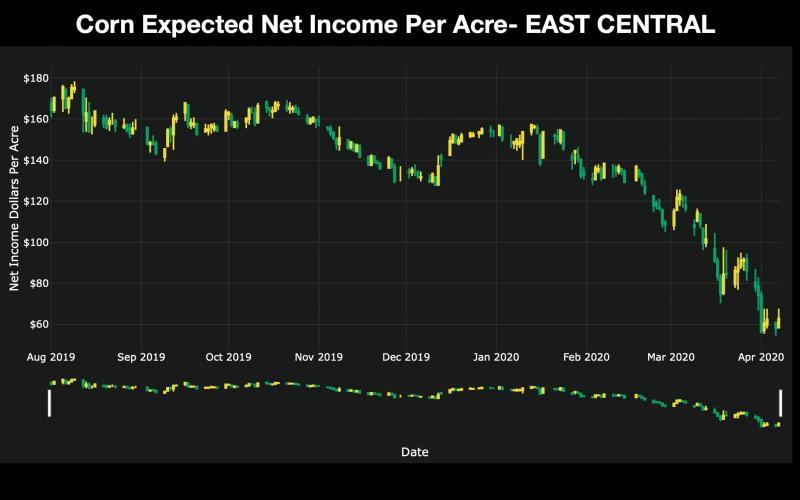
South Dakota Grain Net Income Tool
South Dakota producers can use the SDSU Extension Net Income Tool to monitor their expected net income per acre given their location, commodity of interest, and changes to market prices. The tool gathers the most-recent end-of-day market prices to determine the latest expected net income for wheat, corn, and soybeans in the different regions of the state.
Marketing Mindset Change
Marketing for profit may not seem new to producers, but the way they look at their marketing plans should be.

2020 Planting Decisions
Planting decisions for this spring are complicated given the recent spread of COVID-19. A very busy planting season is approaching quickly. Input suppliers and farmers will be met with a requirement to complete tasks timely to evade economic losses from delays.