What Are the Current Drought Conditions?
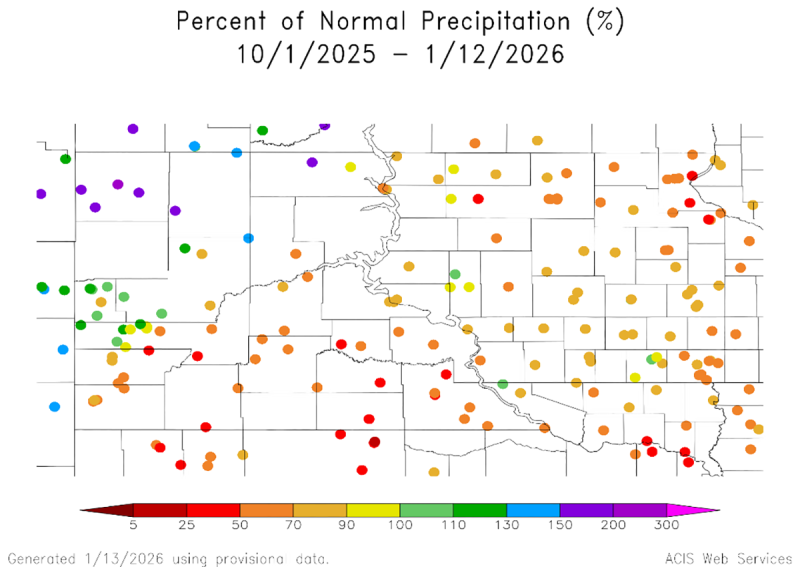
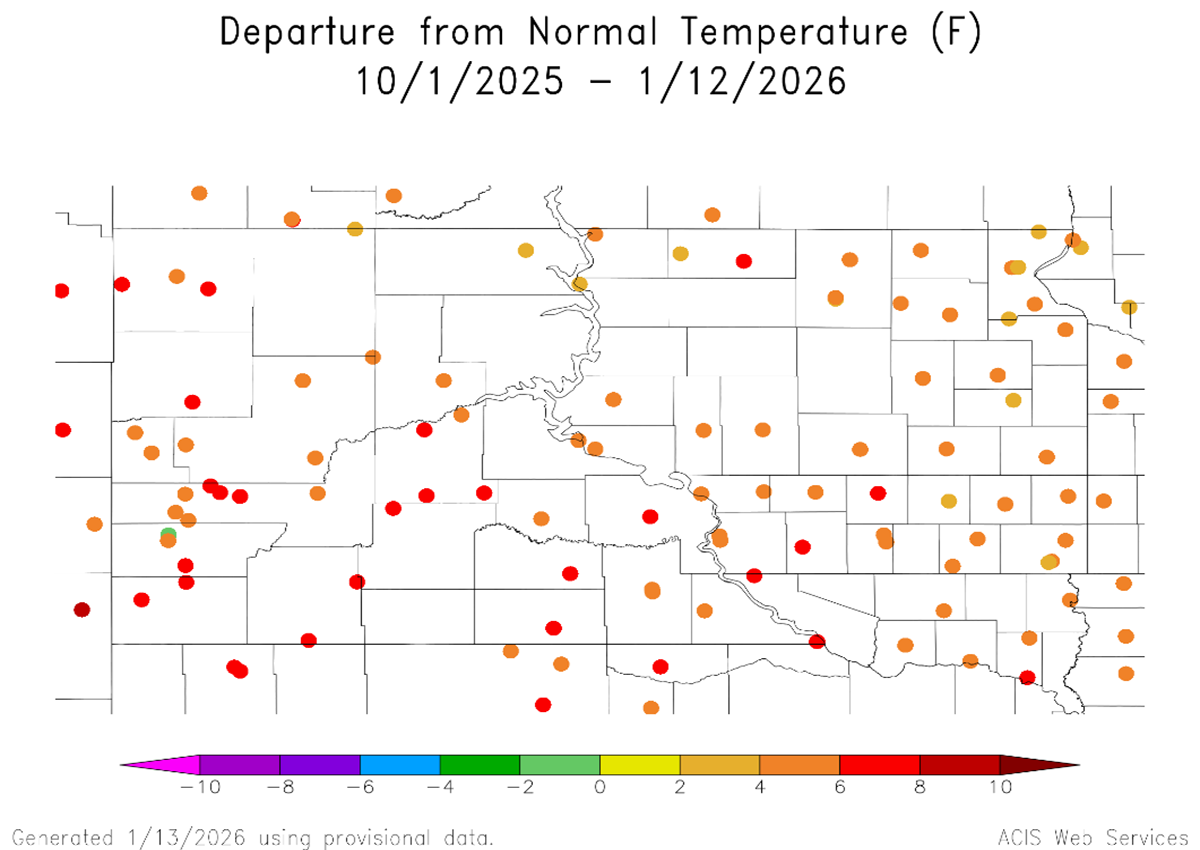
So far, the dormant season has been drier and warmer than average across the state of South Dakota. Many areas of the state have received 70% or less than normal precipitation, while isolated areas in the Northwest have been well above average since October 1, 2025 (Figure 1). Additionally, the dormant season has brought above average temperatures since October 1, 2025 (Figure 2). Many areas across the state still have thawed soils at this point.
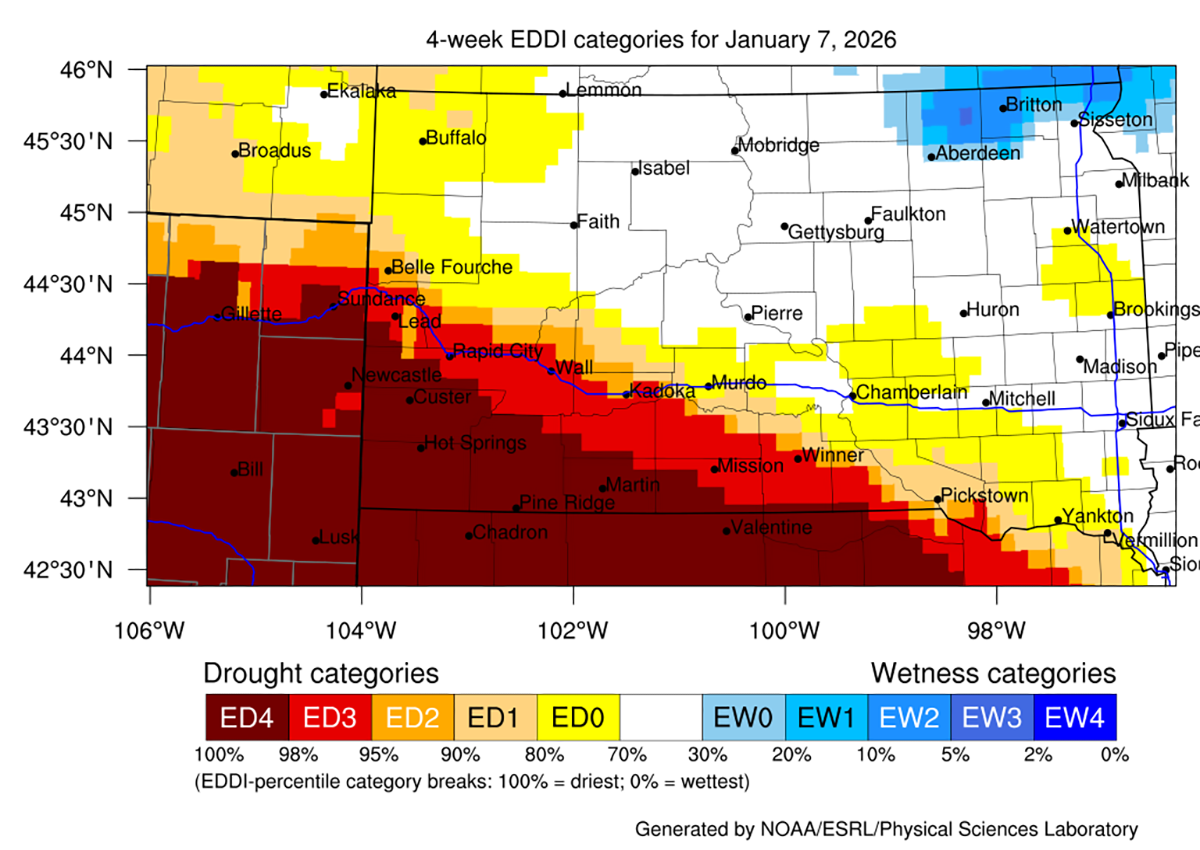
The 4-week Evaporative Demand Drought Index (abbreviated as EDDI) ending January 7, 2026 is notable, because it shows that the thawed soil, warmer temperatures, and lack of dormant precipitation is drying out the soil (Figure 3).
Evaporative demand essentially refers to the “thirst of the land” based on both local temperatures and precipitation amounts. This map is used to indicate the potential for drought conditions to emerge. It’s important to regularly assess these metrics as the spring season gets closer.
Understanding the Importance of Dormant Precipitation
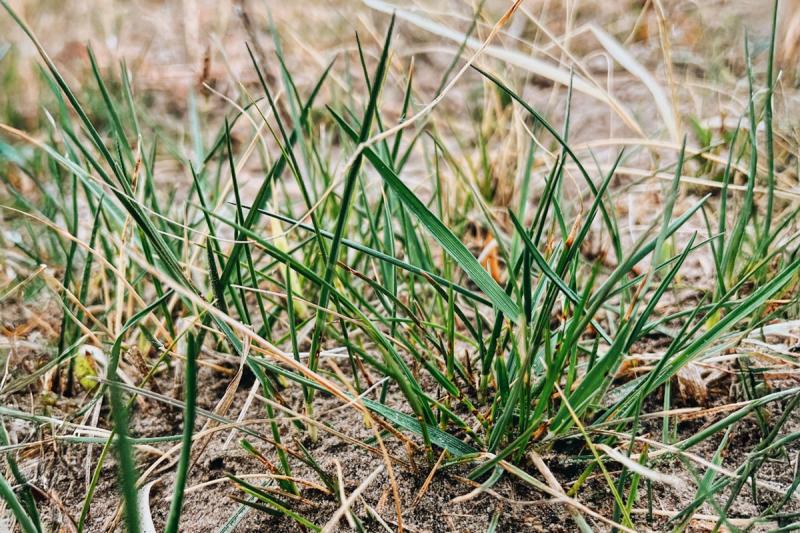
It is commonly recommended to evaluate precipitation from the start of the water year, October 1st. The water year starts in October because dormant season precipitation is critical for recharging soil moisture and stimulating new plant growth for the spring green up.
While many people are happy to welcome a mild winter devoid of typical Dakota blizzards, the lack of moisture is concerning as we look ahead to spring. Especially in the northern states, snow can make up a significant portion of annual precipitation. Moisture from snowfall contributes to increasing soil moisture and provides a protective, insulating layer that reduces soil evaporation and temperature changes. However, it’s important to remember that amount of snow does not equal amount of rain. On average, 10 inches of snow is only worth about 1 inch of rainfall.
In the Northern Great Plains, spring precipitation is often credited as the most valuable in determining the amount of forage produced during the growing season (Smart et al., 2021). However, temperature and precipitation during the dormant season will determine where the starting line is for spring growth. When dormant season precipitation is limited, especially when warmer temperatures occur, soil moisture is quickly depleted from thawed soils. Inadequate soil moisture can place plants at a disadvantage before the growing season even begins.
What Are Current Climate Outlooks Predicting?
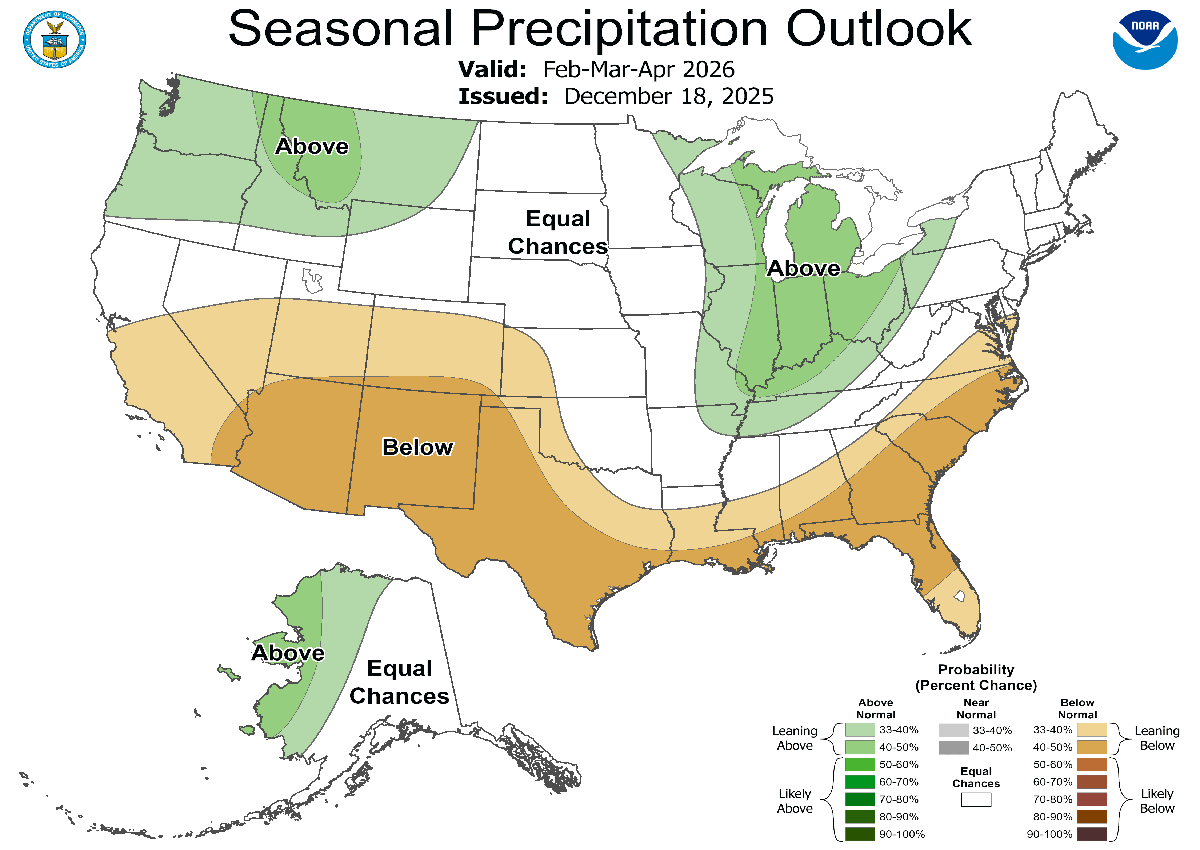
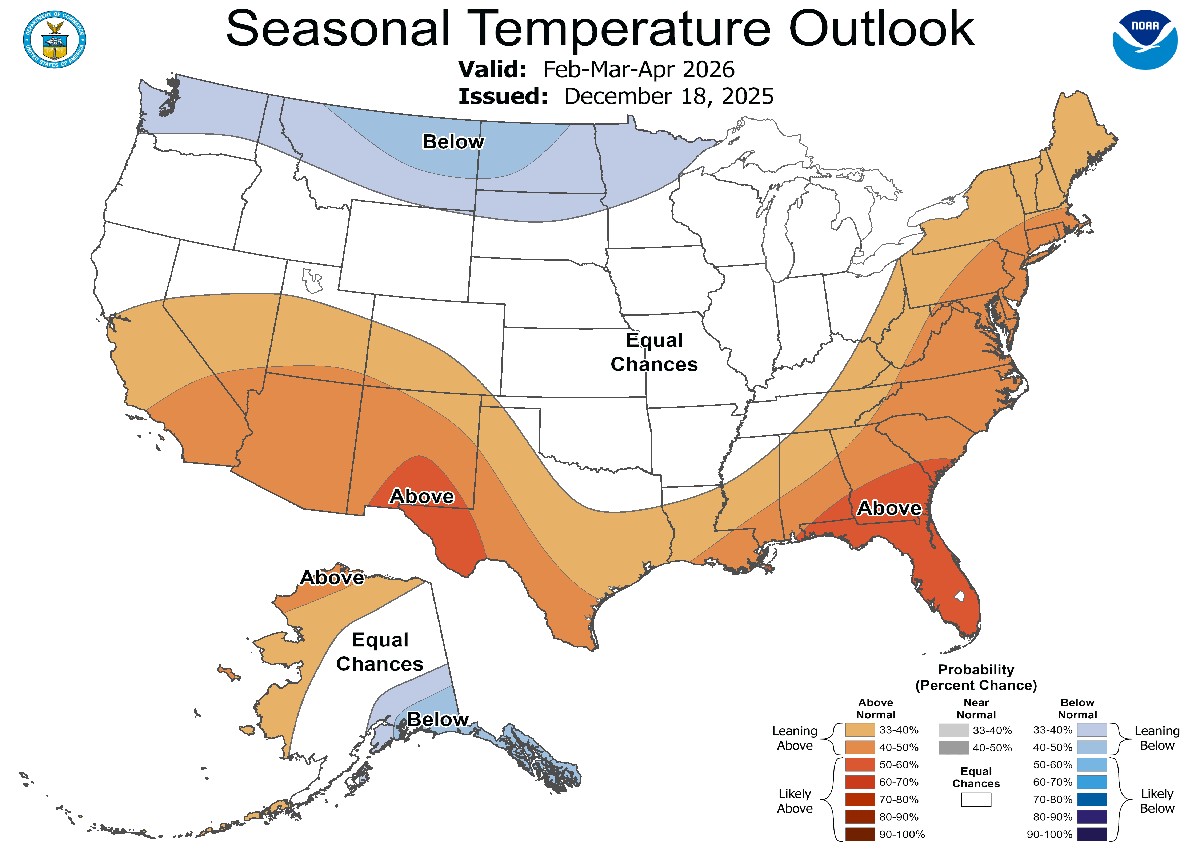
Looking ahead to the next few months in South Dakota, the outlooks currently predict equal chances of receiving seasonal precipitation (Figure 4) and below average seasonal temperatures (Figure 5). This likely means that we currently aren’t projected to make up the difference in reduced precipitation since October 1st (Figure 1). Regardless of how ‘dry’ your local area is, regular monitoring of precipitation is important. With the mild winter conditions so far, it will be extremely important to receive adequate spring precipitation to re-charge soil moisture for the new growing season.
Take Time for a Winter Reflection
Although there is still time before the spring green up, there are some things to assess and reflect on now. Answering the following questions about your operation can help you consider your ability to be resilient as well as make plans ahead of time. Continue to regularly monitor precipitation and soil moisture as spring approaches. With inadequate soil moisture, the spring greenup could be delayed and forage growth could be limited. If so, are you prepared?
The beginning of a new year is a great trigger date to investigate the following questions and make plans for the year.
Moisture/Climate
- How much precipitation was received during last year’s growing season?
- How much precipitation has been received since October 1st?
- Are there chances of precipitation in the upcoming weeks?
- What drought conditions are being indicated now and predicted in the coming months?
Forage
- How much forage production occurred during last year’s growing season?
- When was the last grazing event in your pastures?
- What is the current condition of your pastures (how much residual forage, soil cover, etc.)?
- What are your current feed resources?
Livestock
- Are you maintaining herd flexibility (do you know which animals will be the first to go)?
- How long are you prepared to be able to feed livestock if new forage growth is limited?
- Could you take advantage of high cattle prices to reduce your grazing pressure/feed demand?
Considerations for Spring Ahead
The start of a new year is a great time to reflect on your operation, evaluate the health of your business, and identify new objectives. Take time to recognize the strengths and resources you can rely on, investigate opportunities for growth and improvement, and diagnose areas that may need attention. Consider any potential risks and threats to your business and be proactive about strategies you can use to reduce their impact.
One area where proactive planning is crucial is drought management. Many producers prefer not to think about drought until it is already occurring. However, when it comes to drought, particularly in the Northern Great Plains, it is not a matter of if it will happen, but when. Being prepared (whether its drought, natural disaster, unpredictable markets, etc), will increase resiliency and reduce negative impacts on your business.
At its core, drought planning is simply about managing your forage supply and demand. Forage production can vary significantly from year to year depending on growing conditions, even in years that are not officially classified as droughts. Proactive decision making, combined with regular monitoring of forage and climate conditions, allows producers to maintain flexibility and respond effectively to changing conditions. Making management decisions early, while there are still options, is preferred to being forced into difficult decisions later.
“Winter conditions give us our starting point for spring. Paying attention to indicators like soil moisture and tracking precipitation now can make the difference between managing your way through dry conditions or reacting to the circumstances later on.” - Kaylee Wheeler, SDSU Extension
Helpful Resources
- See the National Drought Mitigation Center (Ranch Planning) and Managing Drought Risk on the Ranch for a decision-making guide and example drought plans.
- For more information on climate and weather outlooks, contact SDSU State Climatologist, Laura Edwards, or visit the SD Mesonet website.
- For more information on pasture monitoring and drought planning, contact SDSU Extension Range and Natural Resources staff.