Content by Philip Rozeboom
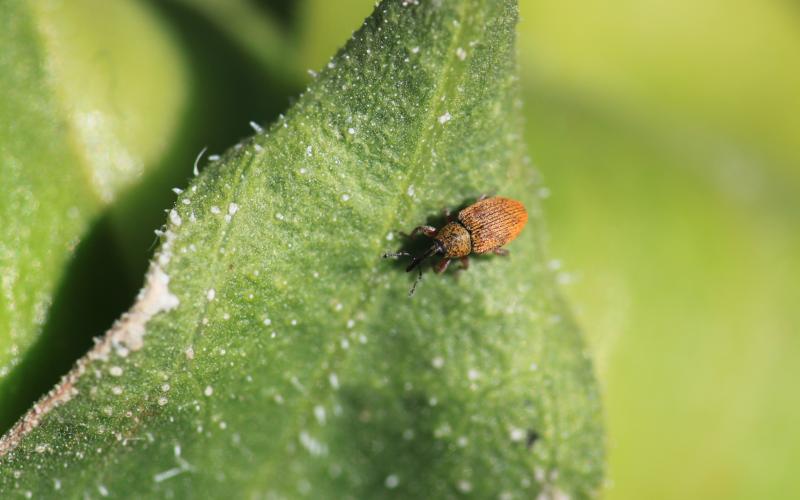
Trap Cropping as an Alternative Management Option for Red Sunflower Seed Weevils in the Dakotas
Learn how trap cropping can be used as an alternative management option for red sunflower seed weevils.
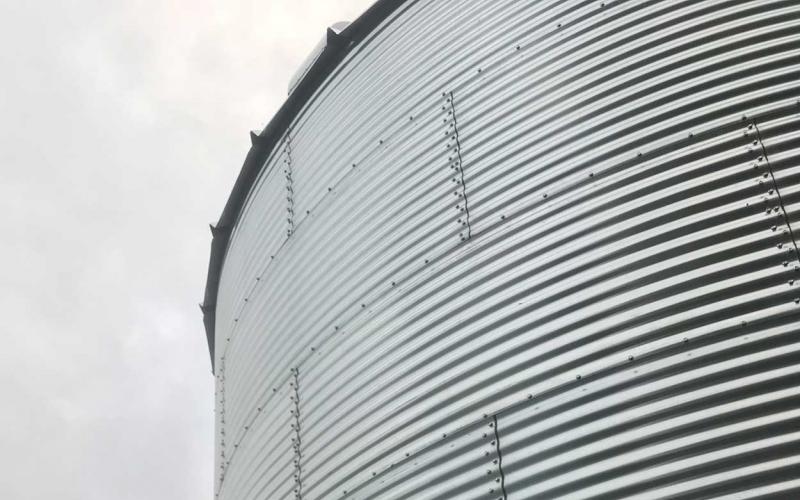
Steps to Prevent Stored Grain Infestations
As fall harvest is approaching it is important to ensure that grain bins are prepared in the best possible manner to prevent insect infestations.

Small Black Beetles Infesting the Tips of Corn: What you should know
There has been a recent increase in small, black beetles infesting the tips of corn ears and often being found in damaged kernels. There are three species of beetles, often referred to collectively as sap beetles, that can be found feeding on corn.

A Surge in Spurge
Spotted spurge is a common, drought-tolerant weed known for its prostrate growth pattern, meaning it grows lying flat on the ground. This is one of the most-difficult weeds to control in lawns, gardens, and landscaping.
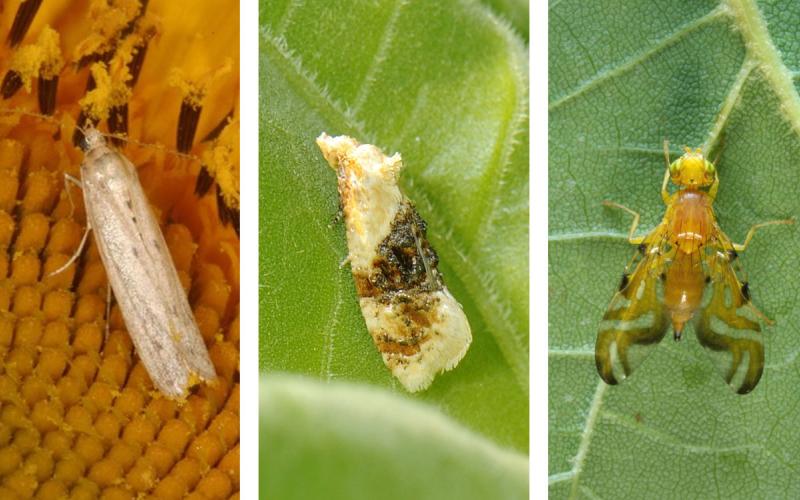
Sunflower Pest Recap
During 2026, we will be producing a new weekly update on sunflower insect pest activity. This information will be attained via a sampling network of eight locations that are in central South Dakota.
Planting Date and Early Maturing Hybrids as Alternative Management Options for Red Sunflower Seed Weevil
Planting dates and early maturing hybrids can be use as alternative management options for Red Sunflower Seed Weevils in South Dakota.
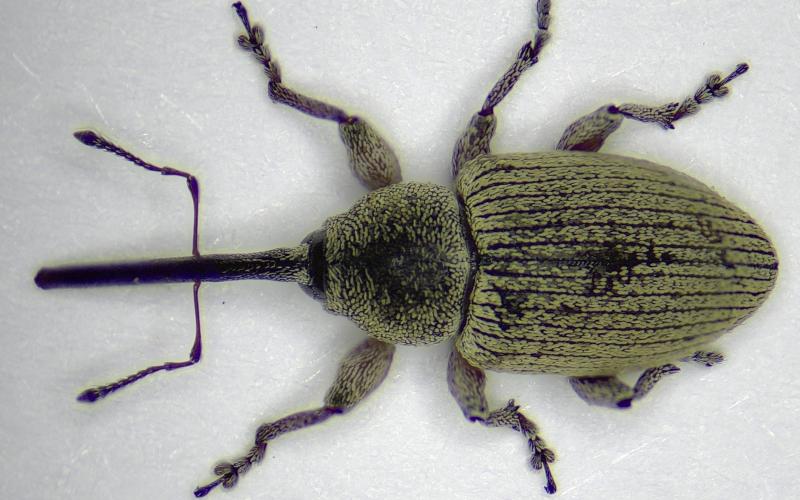
Gray Sunflower Seed Weevils
Factsheet on the lifecycle, identification, scouting and management of Gray Sunflower Seed Weevils.
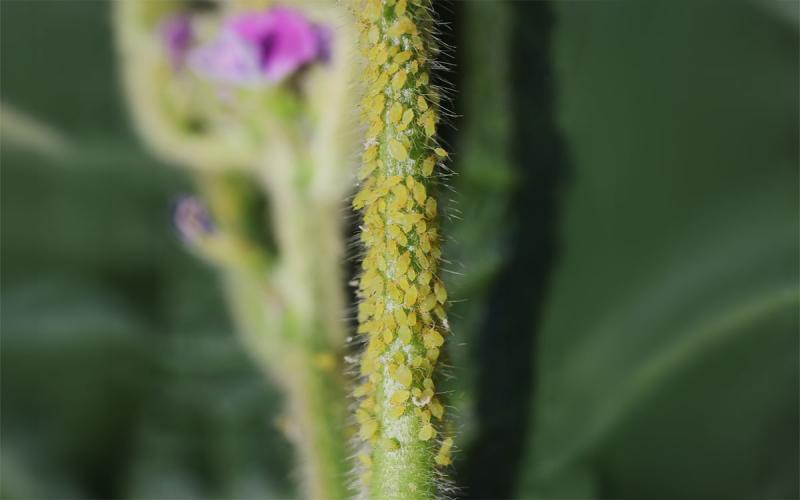
Economically Damaging Soybean Aphid Populations Detected
Soybean aphid populations continue to grow in South Dakota. This week, counts near Volga ranged from approximately 280-700 aphids per plant. Observations of these populations indicate that they are healthy and will continue to increase.
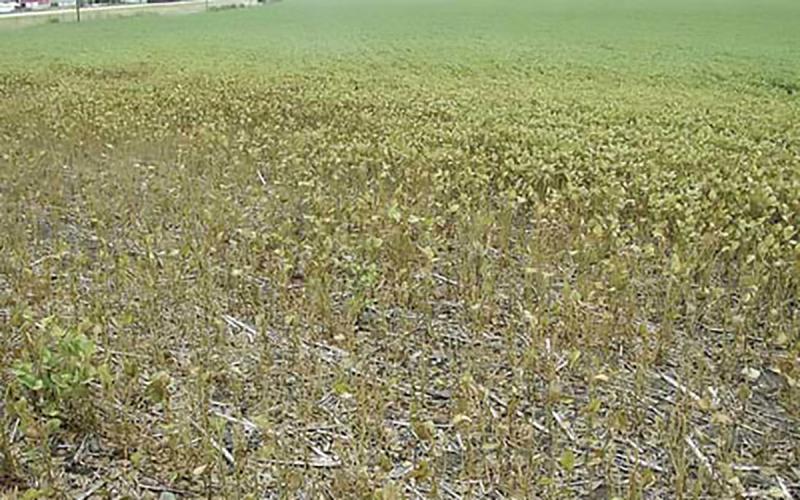
Scout Soybean in Drought-Affected Fields for Twospotted Spider Mites
One of the pests that typically shows up during drought conditions is the twospotted spider mite (Tetranychus urticae). Infestations of this pest were recently confirmed in Eastern South Dakota soybean and corn.

Several Species of Caterpillars Are Actively Defoliating Soybean
There are several species of caterpillars that have recently been observed in a single soybean field. The species include the green cloverworm, cabbage looper, alfalfa, thistle, and oblique banded leaf roller caterpillars.