Content by Philip Rozeboom
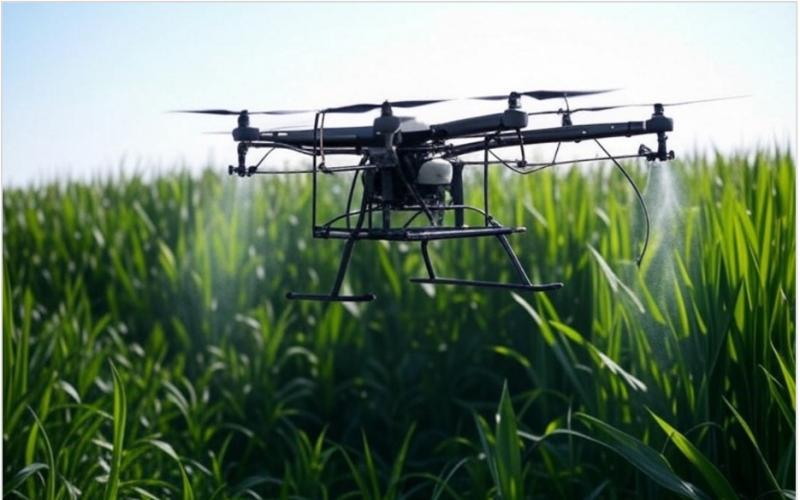
Required Licensing For Applying Pesticide Using Spray Drones
Fact sheet for South Dakota stakeholders wanting to get certified to apply pesticides with a spray drone.
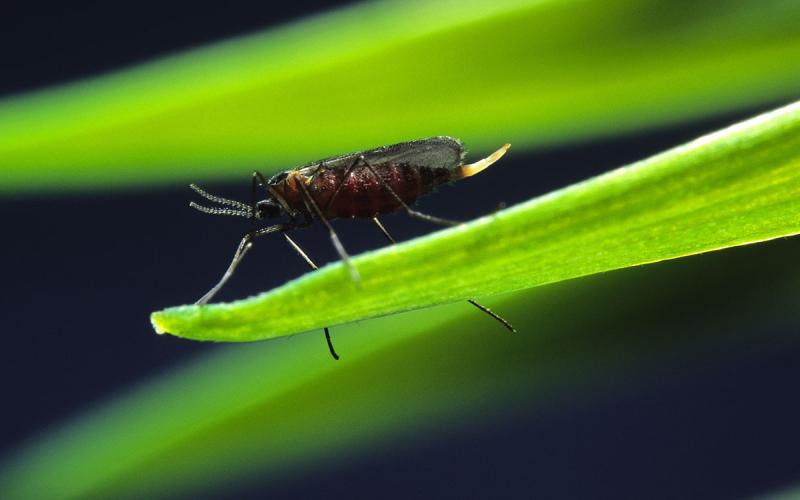
Hessian Fly: Winter Wheat Planting Date Considerations
As winter wheat planting rapidly approaches, there are many factors that should be considered. One of those factors is choosing a planting date to avoid Hessian fly issues. Learn some expert tips for selecting a safe planting date for your region.
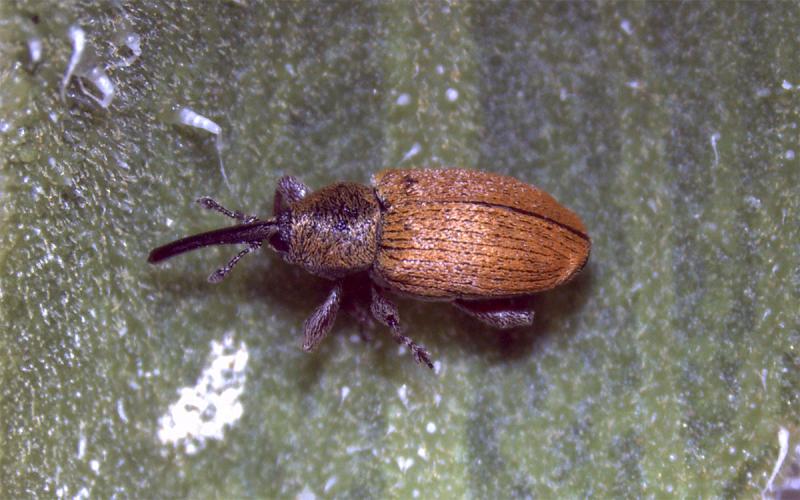
Did Malathion Effectively Manage Your Red Sunflower Seed Weevils?
Now that the August 31 deadline for the application of products containing malathion for red sunflower seed weevil management has passed, it is time to determine if the product was effective. South Dakota State University entomologists have received varying reports on this topic.
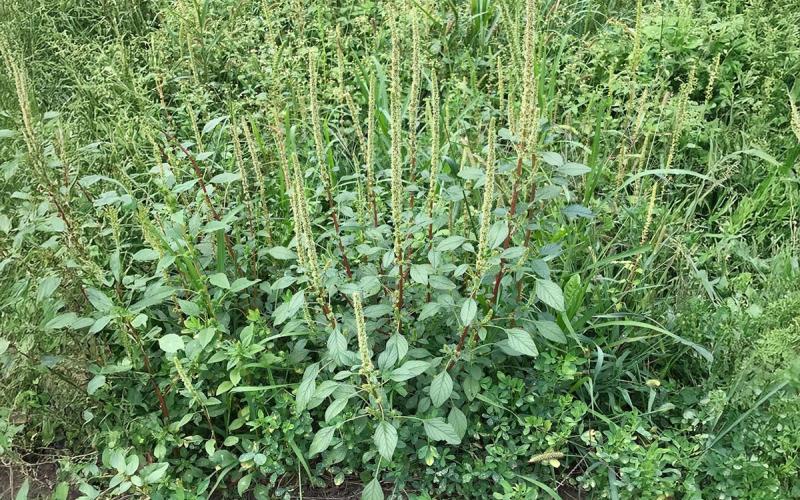
Palmer Amaranth Confirmed in Turner County: Is this weed in your fields?
Palmer amaranth has recently been confirmed in Turner County. Currently, the estimation of Palmer amaranth infestations has been confirmed in 18 counties across South Dakota
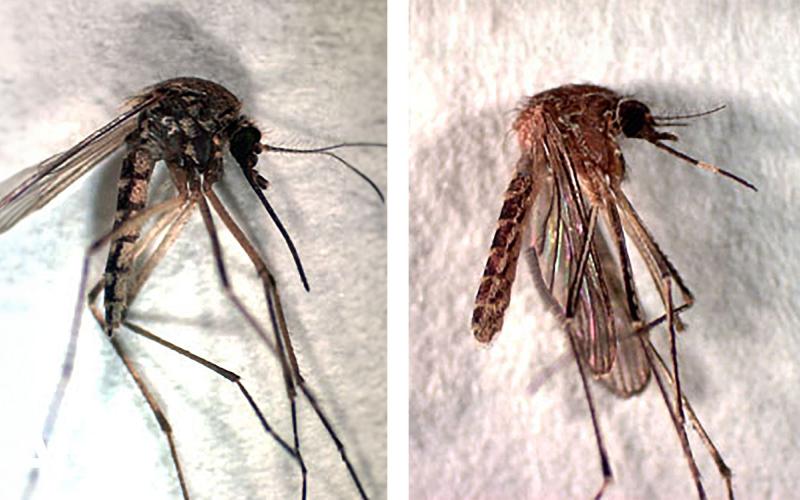
Mosquitos to Watch for in South Dakota
After many areas in South Dakota experienced heavy rainfalls, mosquitos are now a major issue. Learn which species are most common throughout the state and which carry the highest risk for West Nile Virus.
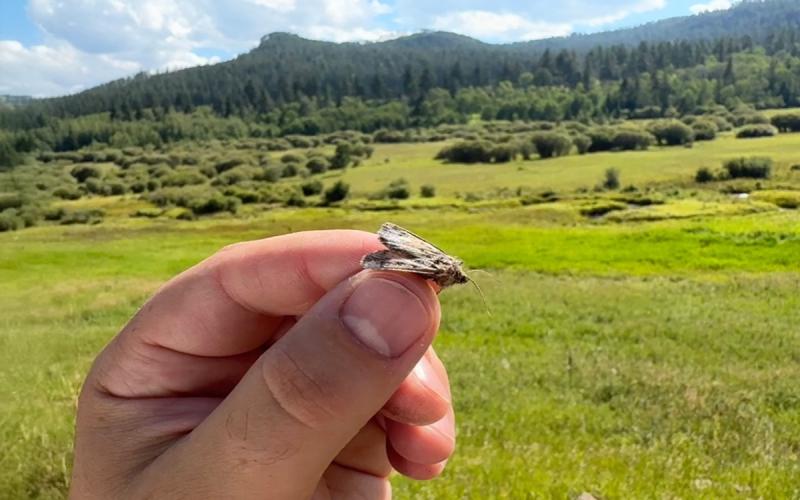
Army Cutworm Migration Swarms Detected in Western South Dakota
Mass populations of army cutworm moths are being reported to entomologists at South Dakota State University. Thus far, these migratory swarms have only been observed in far western South Dakota, particularly within the Black Hills.
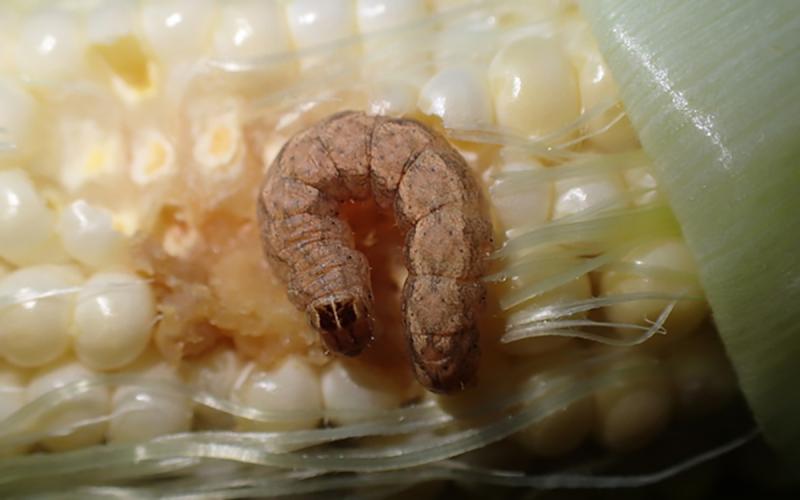
Western Bean Cutworms Detected in South Dakota Corn
Western bean cutworm caterpillars have been reported in South Dakota corn. This pest can cause yield loss by feeding on the tassels, silks, and ears. In addition, ear feeding activities increase the likelihood of secondary diseases and mold growth on the ear.
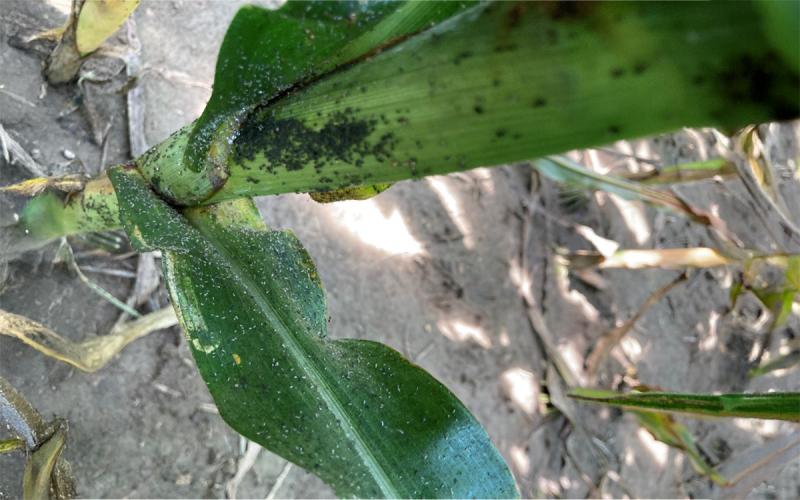
Aphids Infesting Corn in South Dakota
Aphid populations are taking off in some southeastern South Dakota corn fields. The two aphid species that are commonly observed in corn include the corn leaf aphid and the bird cherry oat aphid.
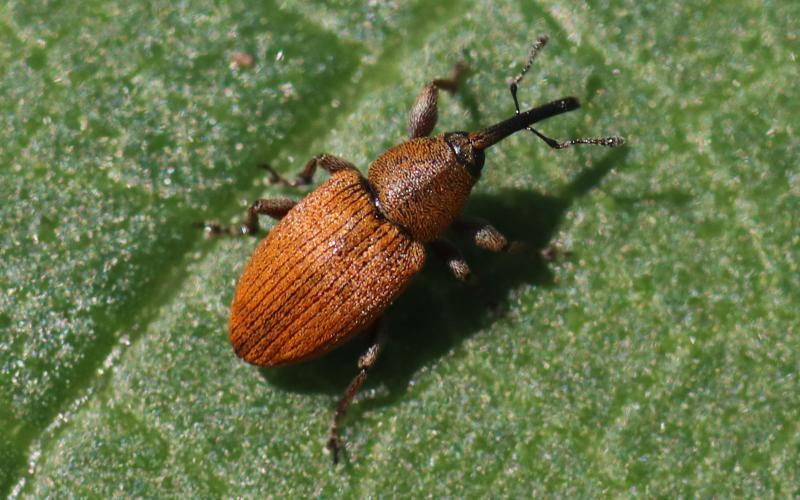
Is it Time to Spray Red Sunflower Seed Weevils?
Red sunflower seed weevil adult activity is well underway on sunflowers in South Dakota. Even though the red sunflower seed weevil numbers are down, we are still observing populations in South Dakota that are above threshold.
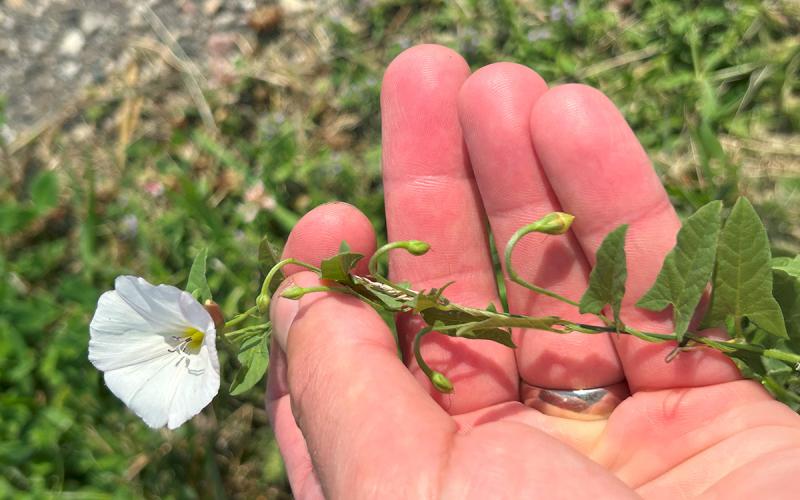
In a Bind With Field Bindweed?
It’s August and field bindweed, one of our most-persistent perennial weeds, is flowering. Although field bindweed is not statewide noxious, it’s locally noxious in Bennett, Bon Homme, Clarke, Lake, Stanley, and Yankton counties.