Content by Philip Rozeboom

Volunteer Wheat and Kochia Management With Herbicides Will Likely Require Two Passes
Wheat curl mites, which carry wheat streak mosaic virus, use volunteer wheat and grass weeds as secondary hosts to infest recently planted winter wheat crops. Therefore, effective management of these plants before winter wheat planting is critical.
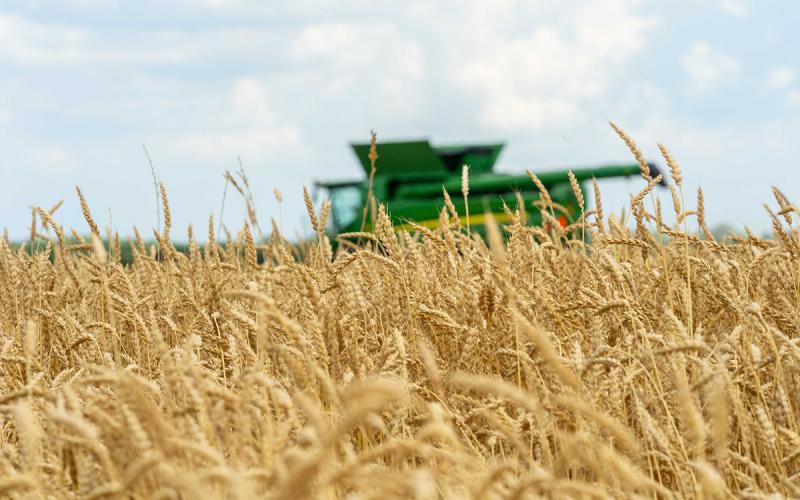
Weed Management After Wheat Harvest
Most of the winter wheat has been harvested in South Dakota and spring wheat harvest is underway. While the growing season is over for the wheat, post-harvest weed management is important to minimize the amount of weeds that are present in the spring
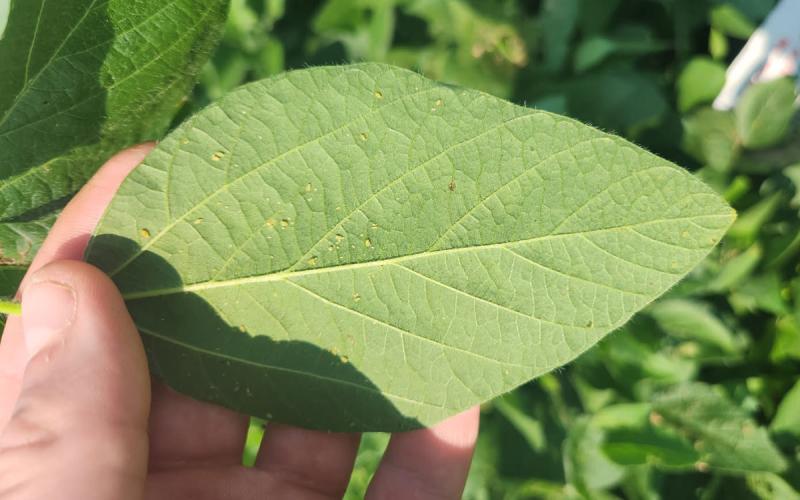
Soybean Aphids Exceeding Thresholds in Some Parts of South Dakota
There have been a few fields this week that were infested with soybean aphids that are getting closer to threshold. We have also received reports of insecticides being applied to manage soybean aphids in South Dakota.
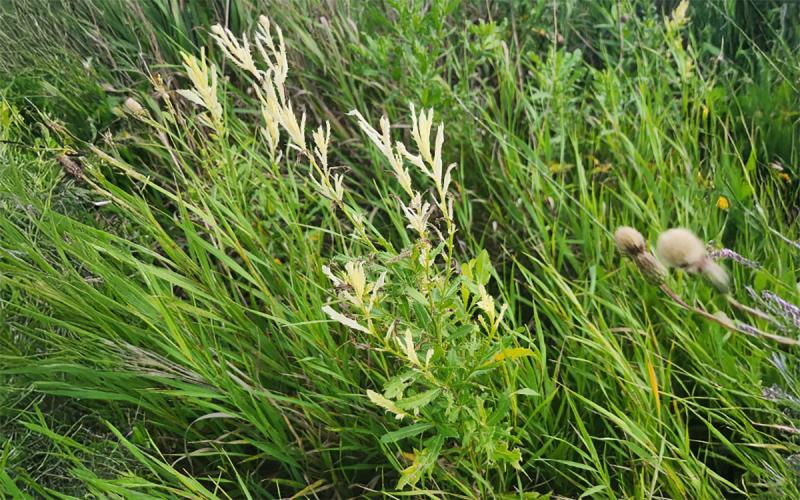
White Thistle Disease: Biological management at work
White thistle disease can be seen among many Canada thistle plants throughout South Dakota this growing season. Plants infected with the disease exhibit significant reductions in both growth and seed head compared with non-infected plants.
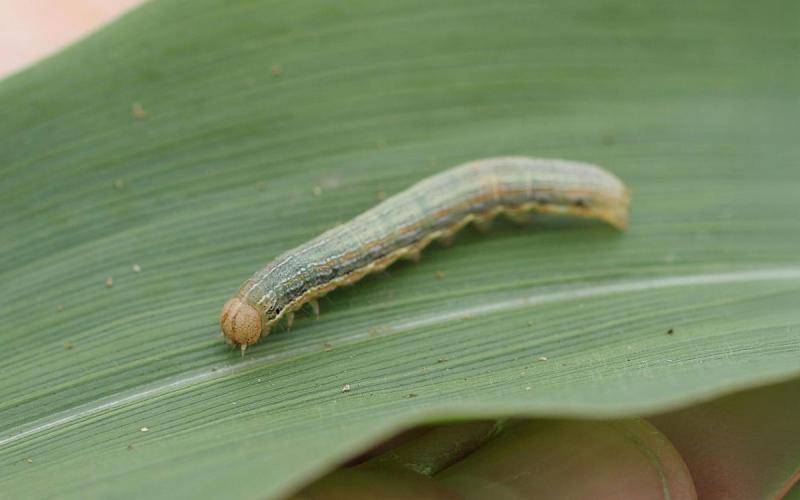
Reports of Pyrethroid Failures for True Armyworm Caterpillar Management
True armyworm caterpillars reached thresholds in oats and wheat in many areas of South Dakota recently. Management efforts to reduce populations had varying levels of success, with SDSU Extension receiving numerous reports of pyrethroid insecticide failures.
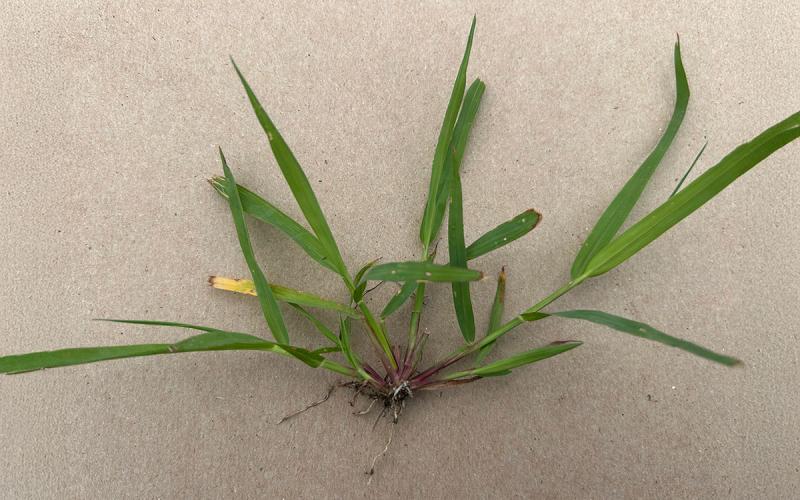
Late-Season Crabgrass Control
At the start of August, crabgrass is often prevalent in lawns. Ideally, this weed should be controlled earlier in the season, but if early management was missed, a post-emergence herbicide can help control it before it produces more seed.
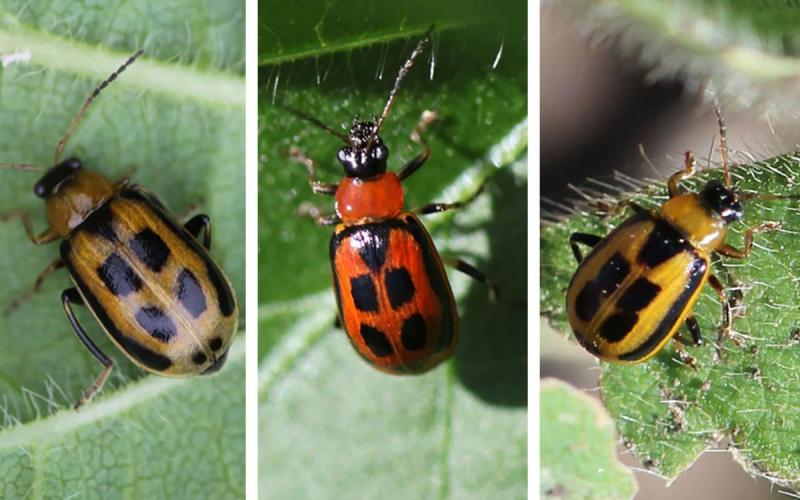
Bean Leaf Beetles Showing Up in Soybean
Despite the prediction of low overwintering survival we have observed bean leaf beetles in soybean this week. See our latest observations and management recommendations.
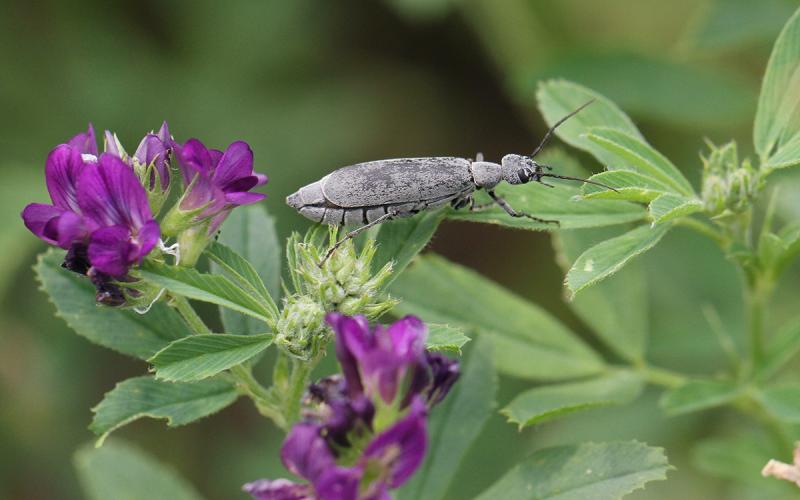
Watch for Blister Beetles in Later Alfalfa Cuttings
The frequent rain events experienced this summer has helped boost forage production. Although this is great for growers, the possibility of encountering blister beetles at harvest increases later in the summer.
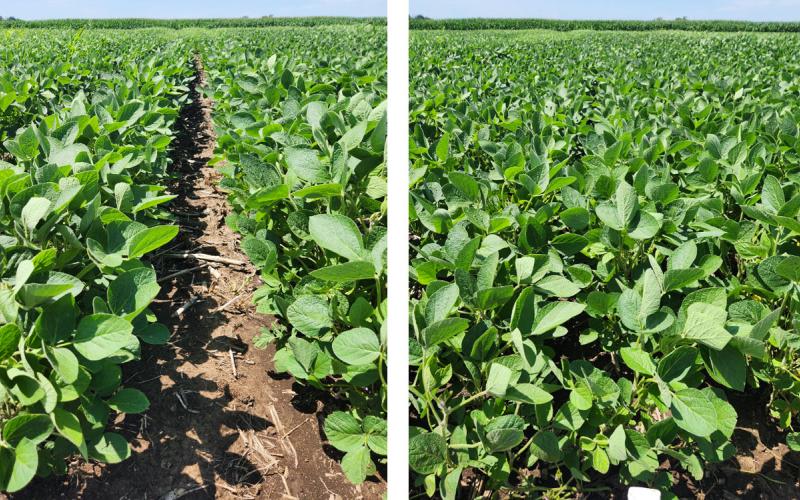
Strong, Effective Herbicide Programs Can Be Complimented With Narrow Row Spacing
While strong herbicide programs will result in effective weed management, a cultural tactic, such as row spacing can result in a complementary increase in effectiveness.

EPA Proposes a Decision to Approve Registration for Dicamba Labeling to Be Applied to Tolerant Soybean
Dicamba products previously labeled for overtop application to tolerant soybean are not registered for use during the 2025 growing season. However, the EPA has proposed to re-register these dicamba products for use in tolerant soybean starting in 2026.