Evaluating Risks
If you or a loved one is age 65 or older or has a chronic health condition, like diabetes or depression, consider discussing fall prevention with your medical provider. Below are several factors your medical provider should evaluate during a fall risk assessment.
Gait, Strength, and Balance
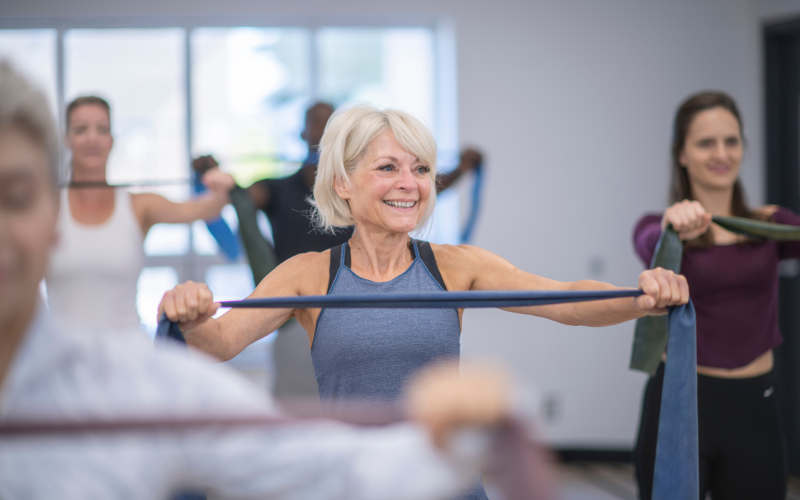
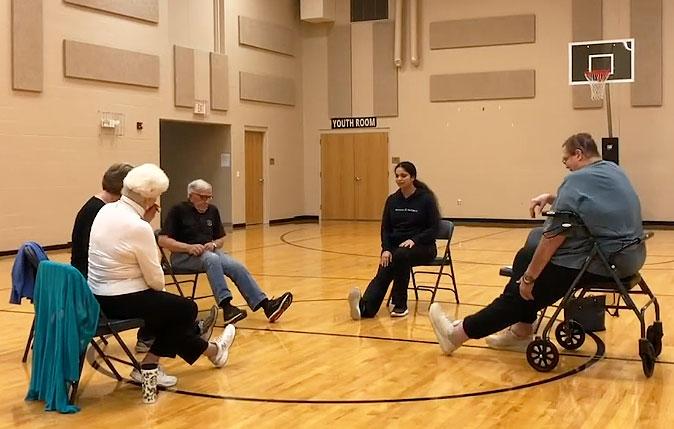
If you feel unsteady when walking, you may have decreased gait, strength, or balance. Physical activity can help improve these areas and reduce your risk of falling. SDSU Extension offers several evidence-based programs designed to improve strength, balance, flexibility, and confidence in movement, including:
To find upcoming workshops and register for a program near you, visit the Registration Page.
Chronic Health Conditions
Living with one or more chronic health conditions can increase the risk of falling. Conditions such as stroke, chronic kidney disease, arthritis, depression, and diabetes may affect balance, strength, sensation, mobility, and endurance. These effects can lead to changes in walking patterns and muscle weakness that further heighten fall risk.
Effectively managing chronic health conditions can improve overall health, help maintain independence, and reduce the risk of falls. Better Choices, Better Health® South Dakota (BCBH-SD) offers chronic disease self-management education workshops that empower adults living with ongoing physical and/or mental health conditions to develop the skills and confidence to better manage their health.
To find a workshop and register, visit Better Choices, Better Health®SD
Medications
The side effects of some medications may place you at greater risk for falls. For example, a medication that causes dizziness, drowsiness, or increased urgency to use the restroom may affect your balance and mobility. Talk with your healthcare provider about how your medications could impact your fall risk.
Home Hazards
The home may contain tripping and falling hazards, such as area rugs, cords in walkways, poor lighting, or slippery bathroom surfaces. Your primary care provider may recommend a home safety evaluation with an occupational therapist to identify and address hazards.
Home modification is necessary in most homes to address home hazards. SDSU Extension teaches consumers about home modification, with an emphasis on market realities and practical application. These featured resources include information about a project about home modification in North Dakota and South Dakota, consumer focused planning guides, and details about funding options.
- Voices for Home Modification of the Dakotas
- Home Modification Planning Guides
- How to Find and Pay for Home Modifications
Orthostatic Hypotension
This is a type of low blood pressure that occurs when standing up after sitting or lying down. It can cause dizziness or lightheadedness, increasing the chance of losing your balance and falling. If you experience these symptoms, discuss them with your healthcare provider.
Visual Impairment
Changes in vision can increase fall risk. Wearing bifocal or trifocal glasses while climbing stairs, or living with eye conditions such as cataracts or macular degeneration can affect depth perception and balance. Regular eye examinations can help identify and manage vision concerns.
Feet and Footwear Issues
A fall can occur when wearing high heels or shoes with slippery soles. Shoes that don’t fit well or are not tied properly can lead to a fall. Foot problems, such as ingrown toenails, also contribute to fall risk. Proper footwear and routine foot care are important components of fall prevention.
As you can see, fall prevention involves many different factors. Your healthcare provider can help identify the risk factors most important to your current health status and connect you with appropriate resources and services. We encourage you to schedule an appointment with your primary care provider to discuss fall prevention.
Resources and Tips
Join a Workshop
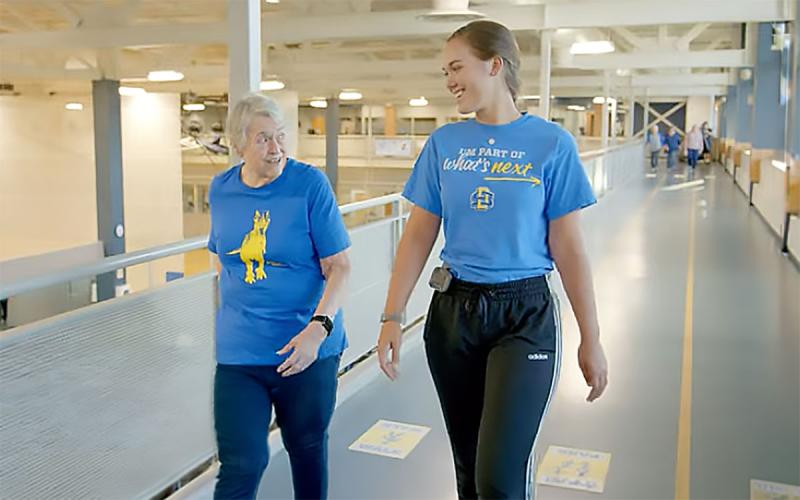
SDSU Extension wants to help you reduce your risk of a life-changing fall. We offer a variety of evidence-based workshops that help participants improve balance, strength, confidence, physical activity levels, and chronic disease self-management skills.
Fall Prevention Tips
- Reduce clutter and tripping hazards.
- Remove rugs, or make sure they are safely in place.
- Ensure that any clutter (such as wires, cords, books, etc.) is removed from the walkway.
- Make sure walkways are well-lit.
- Ensure handrails are well-secured on both sides of stairways.
- Move any unreachable items to lower shelves or tables.
- Use a stable stepstool to reach items that are higher up.
- In the bathroom, make sure that the bathmat is securely in place and install handrails near the bathtub/shower and near the toilet.
- Get ears and eyes checked regularly.
- Let your doctor know of any side effects of medications, such as dizziness or fatigue, that could cause a fall.
- Inform your doctor of any falls that have occurred since your last appointment, even if you were not hurt in the fall.
- Use an assistive device, such as a walker or cane, if needed.
- Make sure the device is the right size and that it is in proper working condition.
- Wear proper footwear that fits correctly and supports feet.
- Physical activity reduces the risk of falls. Light exercise, such as walking, keeps muscles strong and joints flexible.
Additional Resources
- STEADI- Older Adult Fall Prevention, U.S. Centers for Disease Control and Prevention.
- South Dakota Fall Prevention Coalition, South Dakota Department of Health.