Range

2019 South Dakota Grasshopper Forecast
The USDA Animal Plant Health Inspection Service conducts an annual survey to monitor grasshopper populations in Western South Dakota. In 2018, SDSU conducted a survey to monitor populations in Eastern South Dakota. These previous-year surveys can be used as a prediction tool for where grasshoppers may be an issue during the upcoming season.
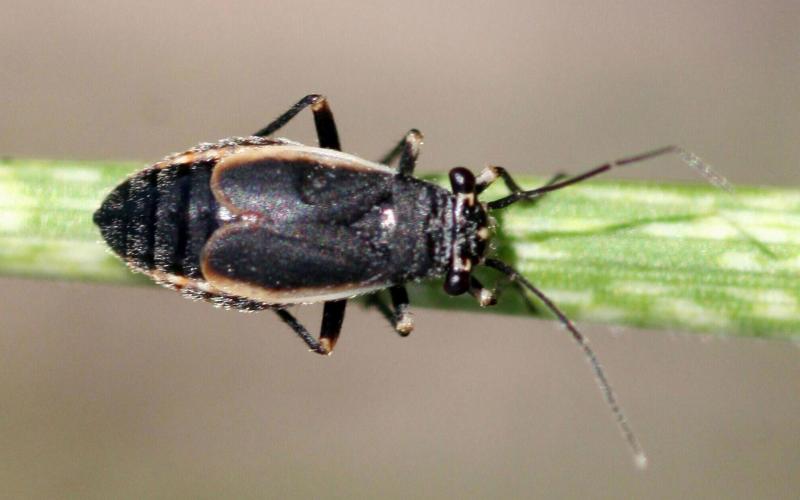
Be on the Lookout for Black Grass Bugs
It’s time to begin scouting pasture and wheat for the presence of black grass bugs. Last year, we saw the highest populations in areas of Central and Southwestern South Dakota. If left untreated, black grass bug populations tend to increase year after year.
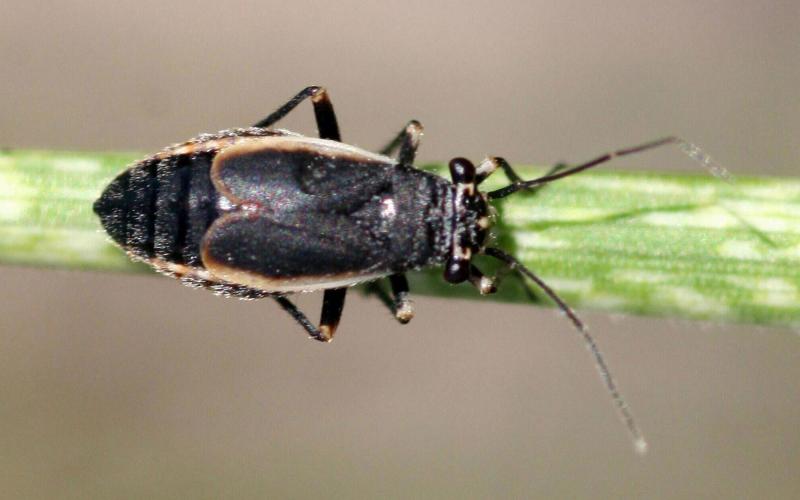
Black Grass Bug Activity Expected in Coming Weeks
Spring green-up is the time to be watching for black grass bug activity. Large populations of this early-season pest can cause severe damage to pasture (up to 90% forage reduction) and infest the edges of wheat fields.

Watch Corn for Bronzed Cutworm Activity
Bronzed cutworms are not a common pest of corn in South Dakota. However, they can become an issue when corn is planted into areas that were previously grassland. Like its name implies, bronze cutworms feed on corn above the soil surface, which often results in cutting or clipping.
![A herd of cattle gather around a stock pond on a vast, lush grassland. Courtesy: USDA [CC BY 2.0]](/sites/default/files/styles/teaser_800x500/public/2019-05/W-00231-00-cattle-grazing-grassland-pasture-range.jpg?h=8f818b46&itok=6GS1_Ww0)
Range Improvements, Grazing Systems and Net Present Value, What is the Right Balance?
As farms and ranches across South Dakota continue to endure increasing costs of production while receiving less cash for grain and livestock marketed; ranch managers must be extra diligent when implementing new range improvements and grazing systems on their ranches.
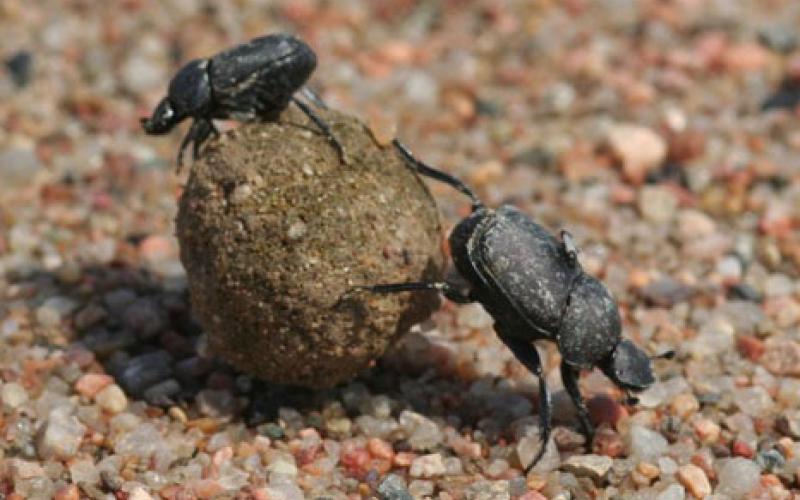
An identification guide to common Dung Beetles of South Dakota
A guide of common dung beetles of South Dakota.
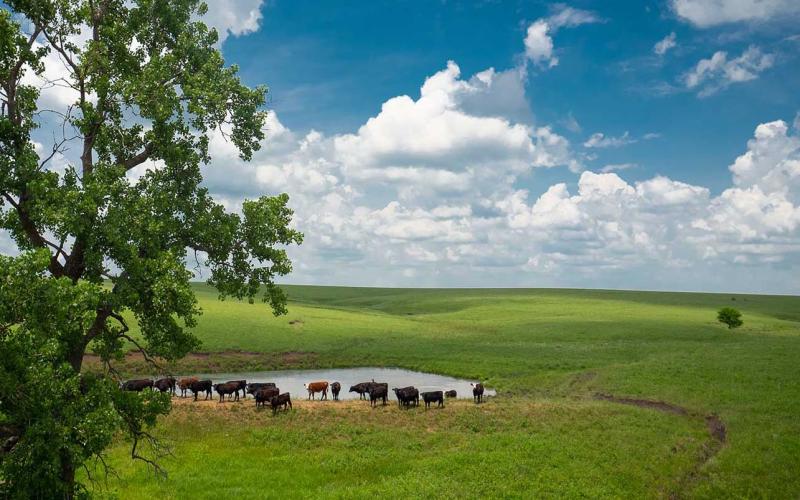
Financial Considerations With Livestock Grazing Distribution
With spring turnout to grass here for some ranchers and just around the corner for others, proper livestock grazing distribution is a key aspect of a comprehensive grazing management plan.
Strategic and Scenario Planning in Ranching: Conducting a Ranch Inventory
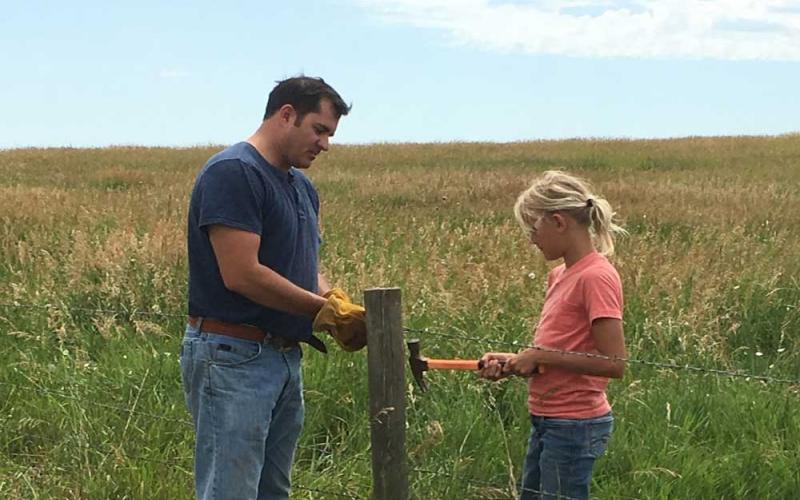
During times of belt-tightening, it’s imperative to make sure all the resources of the ranch are being utilized as efficiently as possible. Conducting a complete ranch inventory is a perfect time for ranch managers to take an in-depth look at their operation.

Yellow Sweet Clover: Information and Management
Sweet clover is an opportunistic plant that is going to be abundant in pastures and hay fields when growing conditions are favorable, ideally for two consecutive years. Although it can cause problems, it is valuable to wildlife and pollinators and is a nutritious forage source.
Rotational Grazing Improves Stocking Capacity and Ranch Profitability
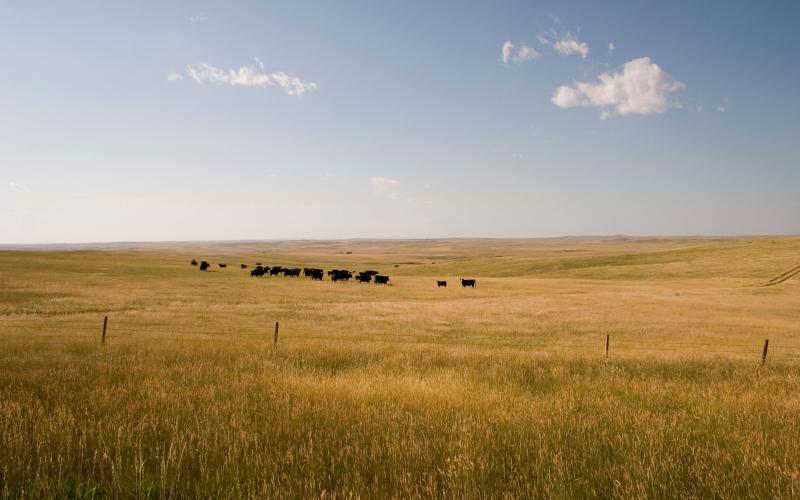
Livestock stocking rate is considered as one of the most important decisions that ranchers can make, as heavy stocking rate causes grassland degradation and adversely impact the sustainable delivery of ecosystem services.