Range
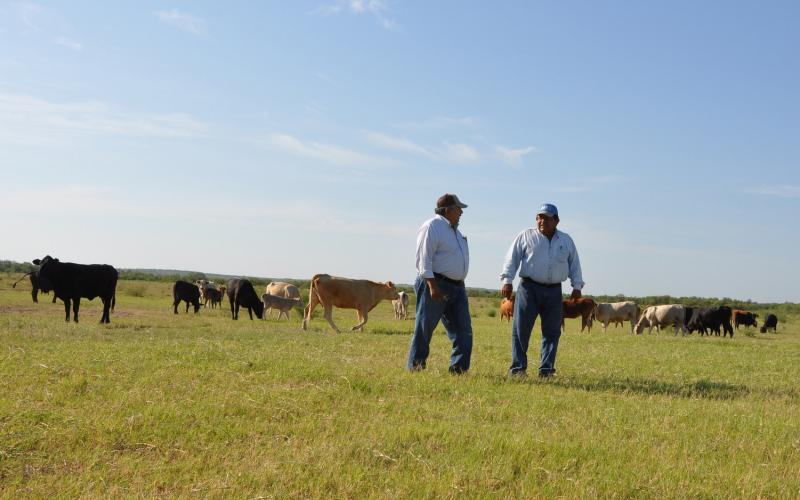
Rotational Grazing Benefits: South Dakota Producer Perceptions
To better understand producer perceptions on rotational grazing, we sent out 1,500 surveys to South Dakota ranchers inquiring about adoption status and perceptions of rotational grazing.
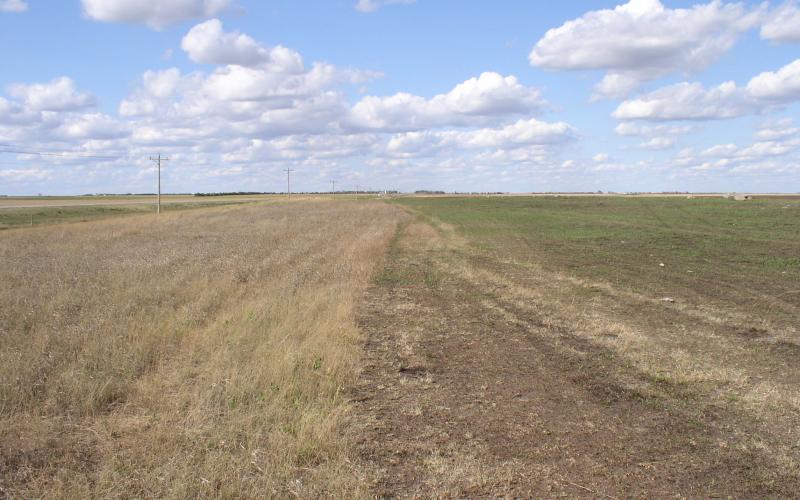
Management for Recovery of Rangeland After Wildfire
Because fire is a natural component of Northern Great Plains grassland ecosystems, prairie vegetation is very well adapted to recover following a fire.
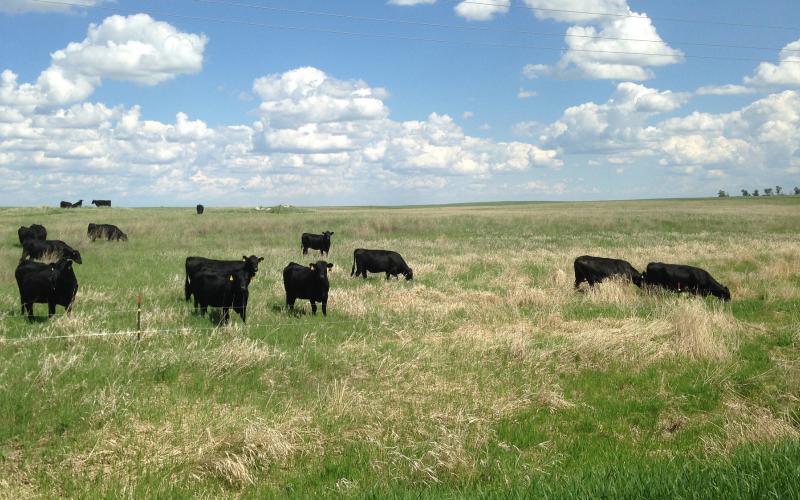
South Dakota Grazing Management Practices: Current & Future
Grazing land occupies 54% of rural land and accounts for a key portion of land use in South Dakota. Many grassland problems can be avoided by using efficient grazing management practices.
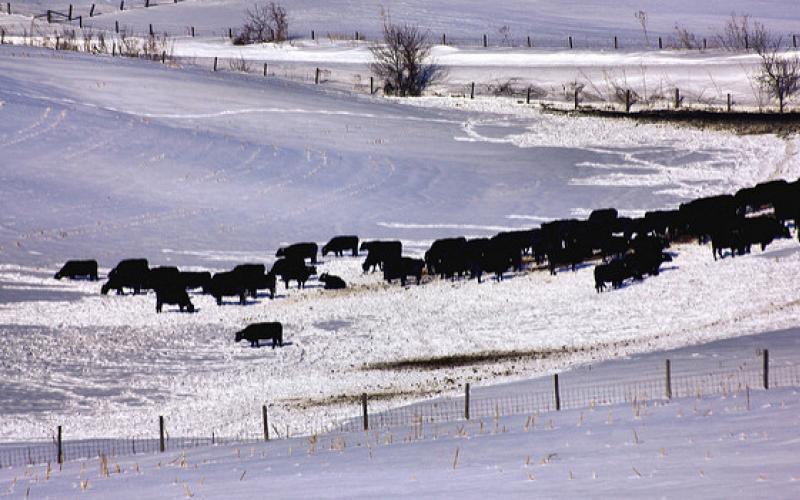
Do You Have To Defer Grazing on Winter Pastures?
How can ranchers improve profitability when feed typically represents well over half of cow-calf production costs? Grazing dormant winter range is a common practice to reduce costs in South Dakota. Grazing winter range when plants are completely dormant minimizes negative impacts on the function of the plant during the growing season. Separate pastures are typically designated for winter use only, often based on availability of winter shelter, water and access to stored feeds.
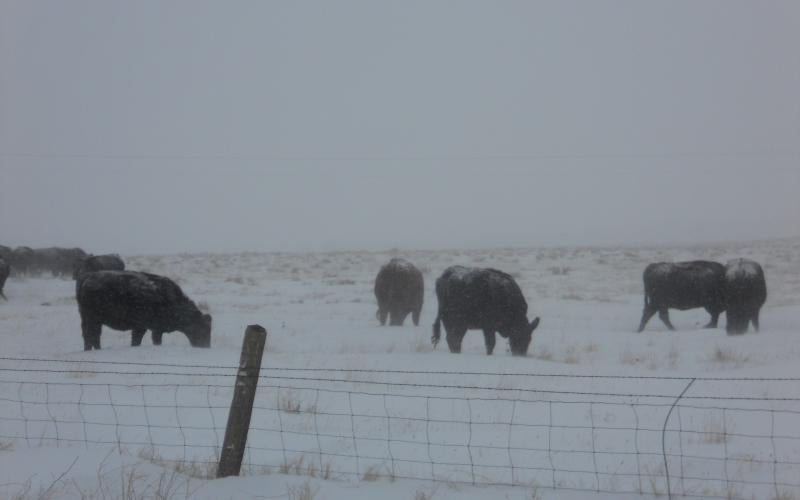
Dealing With Snowstorms for Cattle on Winter Range
Ranchers with cattle on winter pastures have a few management strategies to help them cope with the large snowstorms throughout the state.
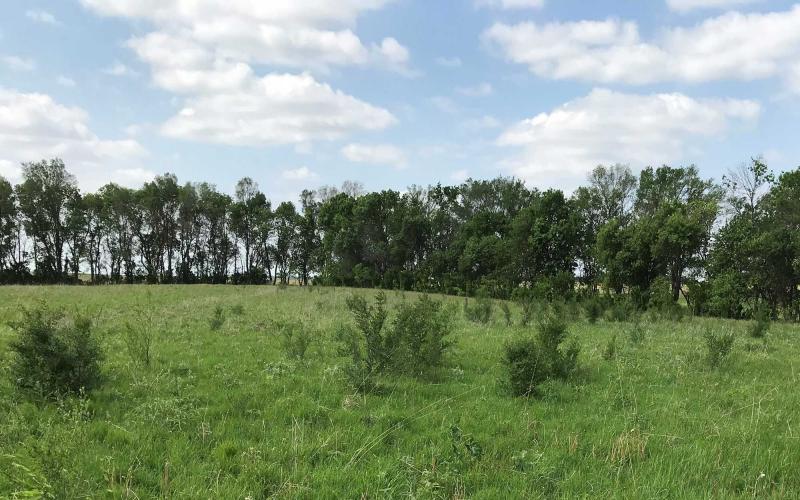
Removing Mature Shelterbelts From Grasslands
Under what circumstances would removal of mature shelterbelts be warranted? This is a common question often asked in wildlife and conservation circles.
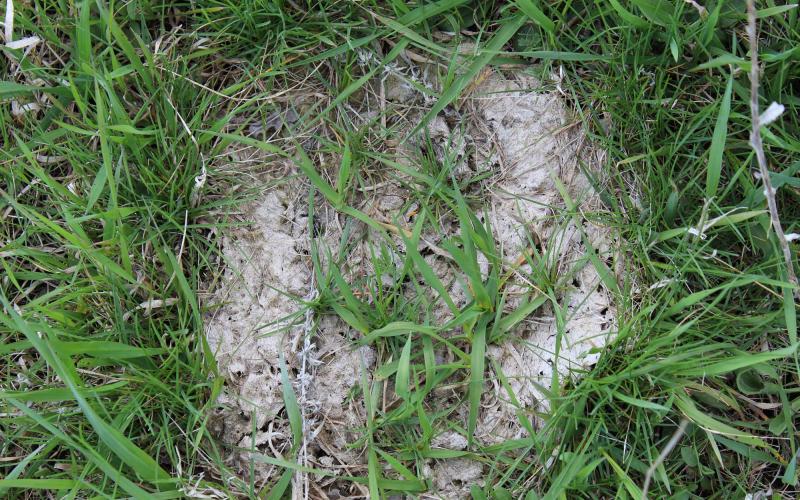
Dung Beetles and Other Insects Can Help Breakdown Dung and Control Pests
This article summarizes findings related to dung beetle ecology and how dung beetles advance the breakdown of dung pats.
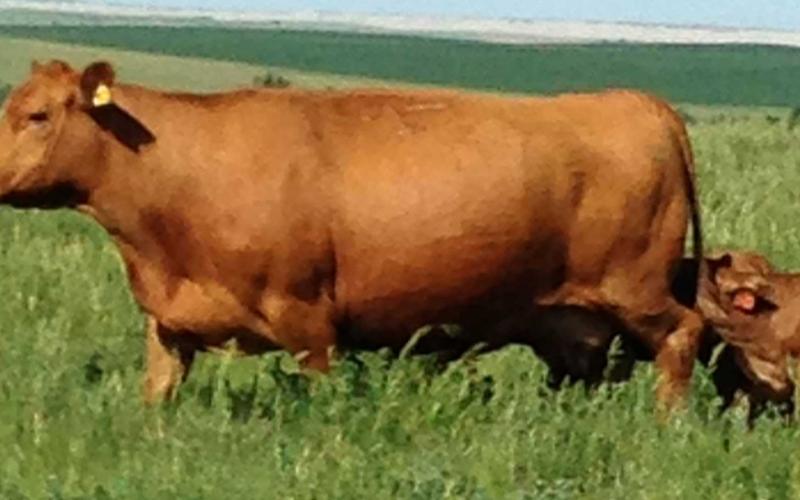
Alternative Calving Considerations
Structuring a calving program that best suites farm and ranch operations can be challenging. Of primary concern are: weather, labor, market timing, and animal health considerations, with weather possibly being the most volatile factor, as it ranges from challenging to catastrophic in some years.
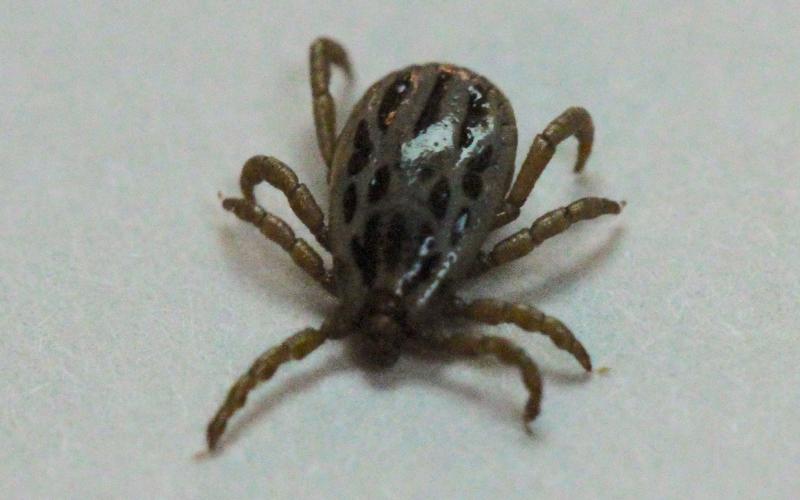
Winter Ticks in South Dakota
Winter ticks, also called moose ticks, are unlike other tick species because they are active during the winter months.
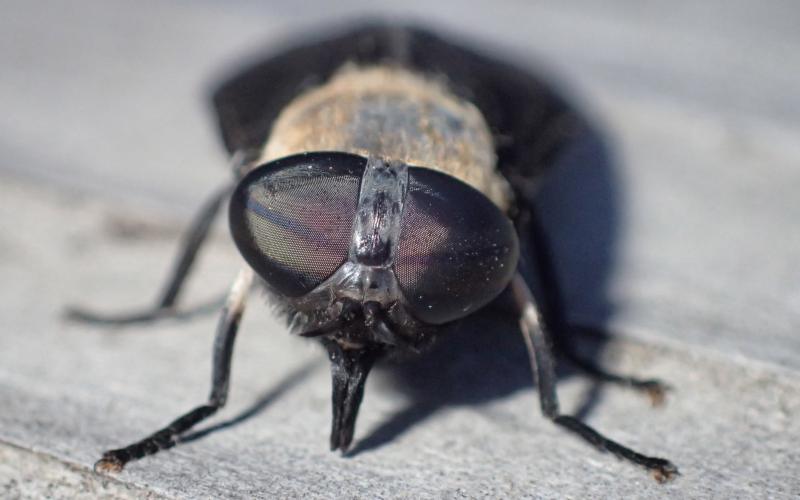
What are Those Gigantic Flies?
As we progress later into the summer, we commonly see an increase in horse fly activity.