Range
![A herd of cattle gather around a stock pond on a vast, lush grassland. Courtesy: USDA [CC BY 2.0]](/sites/default/files/styles/teaser_800x500/public/2019-05/W-00231-00-cattle-grazing-grassland-pasture-range.jpg?h=8f818b46&itok=6GS1_Ww0)
The Environmental Disease Called Pinkeye
Plentiful moisture during the grazing season might contribute to what could be called a “bad year” for a certain cattle disease: pinkeye.

How the Veterinary Lab Diagnoses Anthrax in a Beef Herd
Anthrax is a serious disease of cattle that pops up somewhere almost every year in South Dakota. It’s caused by a bacteria that survives as a very tough spore form in the soil. Knowing whether a death on pasture has been caused by anthrax is important for several reasons.
Horse Flies and Deer Flies Becoming Abundant
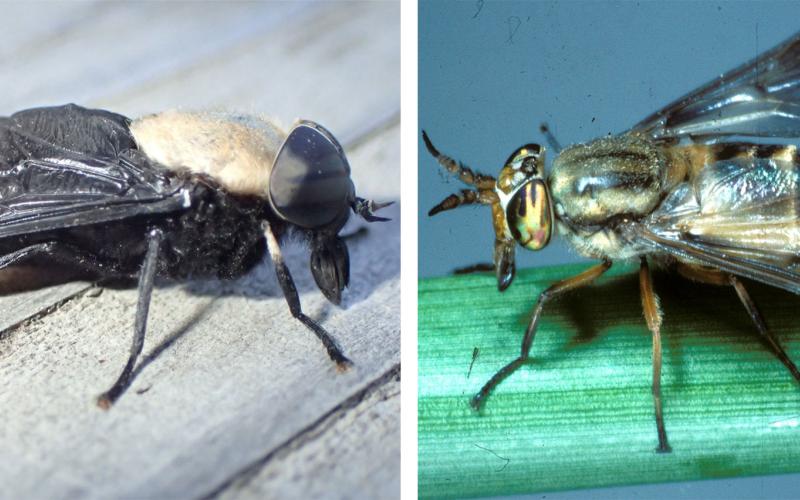
The above-average precipitation this year has led to increased numbers of horse flies and deer flies across South Dakota. Widespread flooding and an overall abundance of available water has made conditions perfect for these flies.
Swath Grazing: Extending the Grazing Season
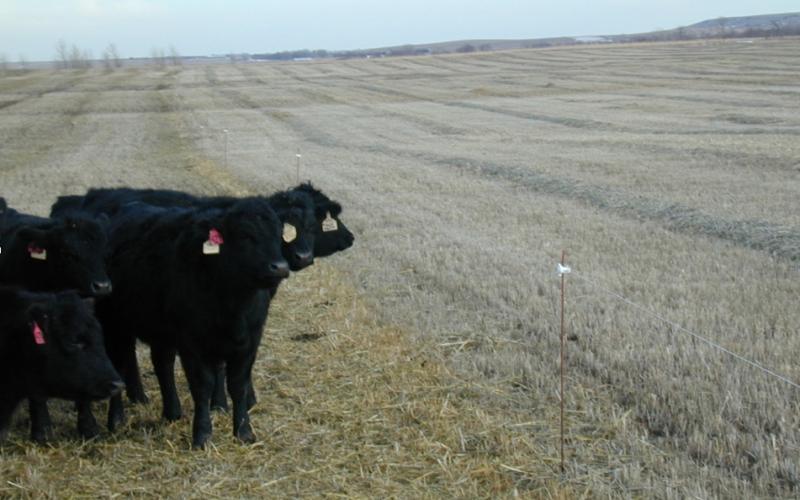
One proposed way to cut fall/winter feeding costs is to extend the grazing season and allow the livestock to harvest the resource instead of relying on mechanical harvest.
Ergot in Western Wheatgrass and the Potential Effects for Winter Grazing
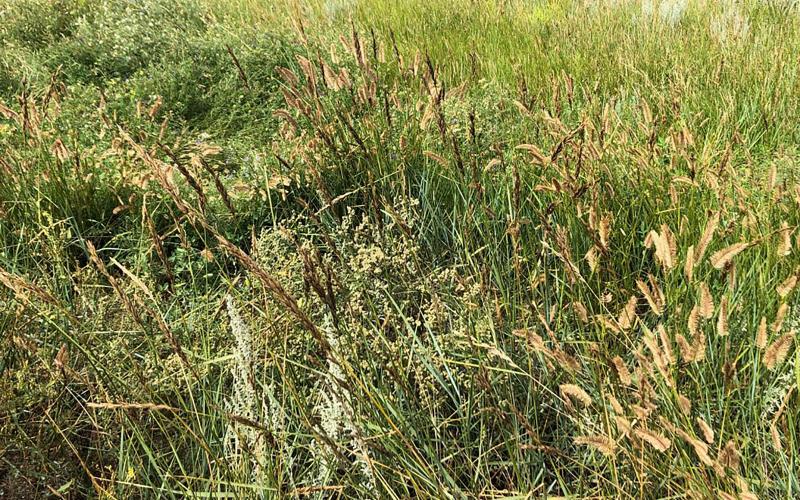
2019 has been a year fraught with challenges for ranchers across South Dakota. Abundant precipitation is usually a blessing, however, wet conditions coupled with a cool spring followed by warmer temperatures has caused another problem across the rangelands of South Dakota: ergot poisoning.
SDSU Extension Provides Leafy Spurge and Noxious Weed Management Recommendations
May 22, 2020
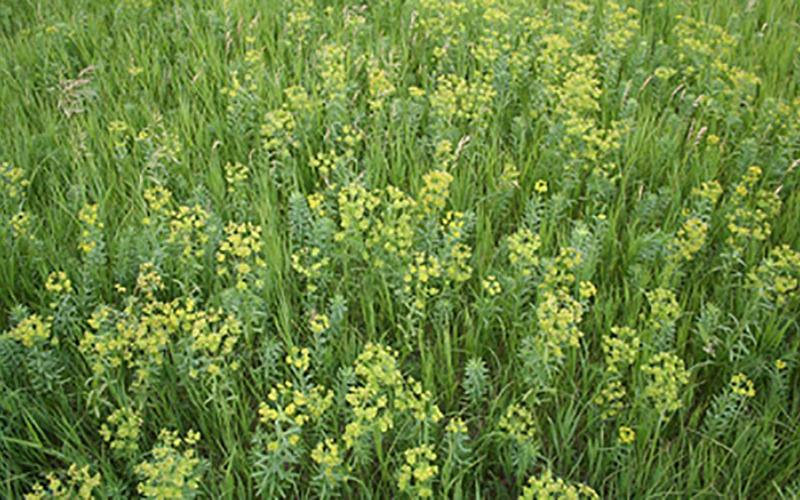
One of the many challenges producers face each year is weed control. Leafy spurge, in particular, can be difficult to manage.

South Dakota Delegate, Matea Gordon, to Present at the Society for Range Management Annual Conference in Denver
February 07, 2020
Matea Gordon, sophomore at Sturgis Brown High School, has been selected by the South Dakota section of the Society for Range Management (SRM) to participate in the High School Youth Forum (HSYF).
Fall Noxious Weed Control
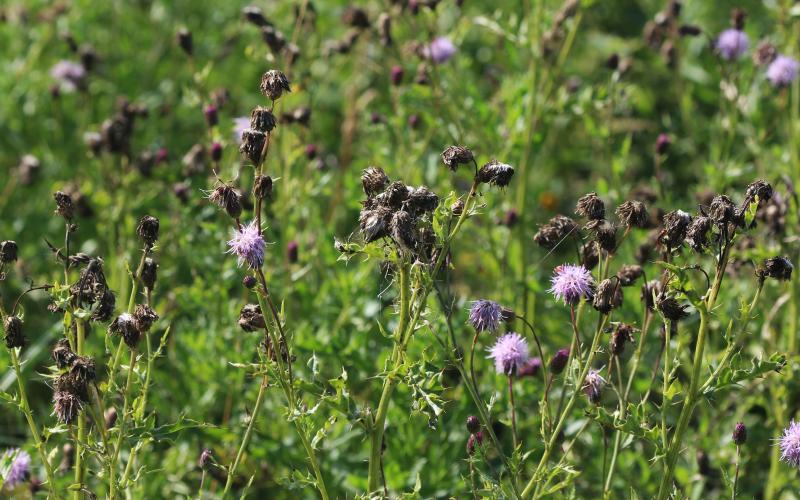
Fall weed control can give the best weed control, but it also can be a poor time. If the noxious weeds were sprayed or clipped earlier this summer, and there is good weed growth now, this would be an excellent time to spray these weeds and get a good kill.
Scouting for Grasshoppers in Pasture and Alfalfa
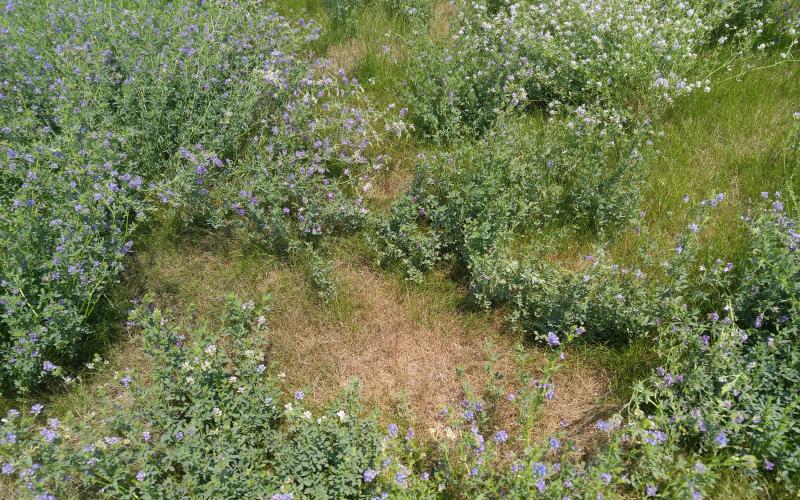
For 2019, we have either received reports of very high grasshopper numbers or of very low or nearly absent populations. Most reports of high populations have originated from areas near rivers and other waterways. This suggests that the rich foliage along the banks of waterways has provided excellent habitat for grasshoppers and has boosted their populations in those areas.
2017 Weed Control: Pasture and Range
There are 24 million acres of native and tame pasture and range as well as 1.4 million acres of grass hayland in South Dakota.