Conservation
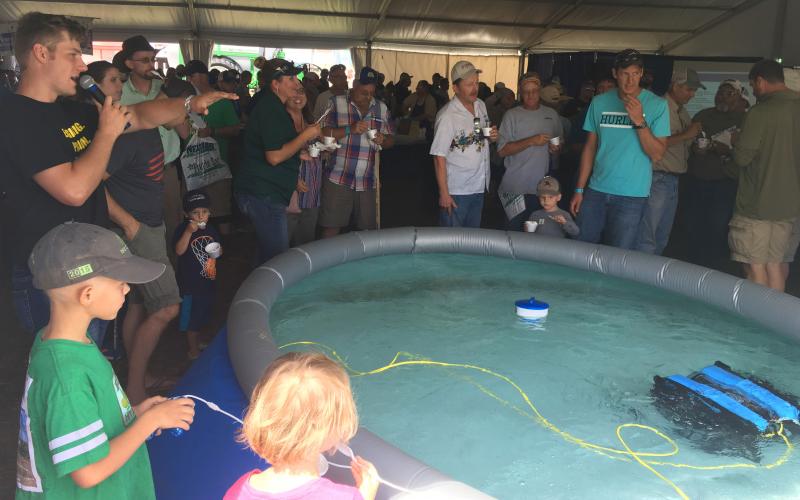
Underwater Drone Draws Crowds at Dakotafest
A new project being developed by faculty and staff from the SDSU Department of Agricultural & Biosystems Engineering (ABE) was recently unveiled during the 2019 Dakotafest Farm Show in Mitchell, South Dakota on August 20–22.
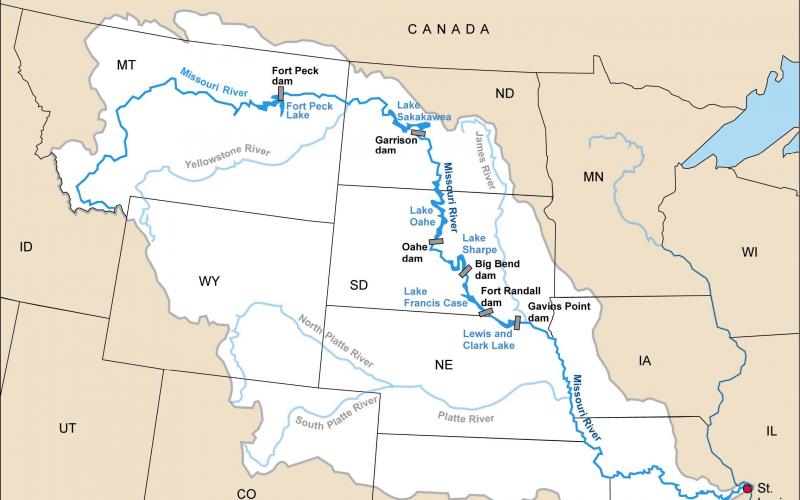
Zebra Mussels Impacting Missouri River Reservoir System
In July 2019, South Dakota Game, Fish & Parks officials confirmed of presence of zebra mussels in Lake Sharpe near Fort Thompson after U.S. Army Corps of Engineers staff initially discovered them while performing inspections on Big Bend Dam.
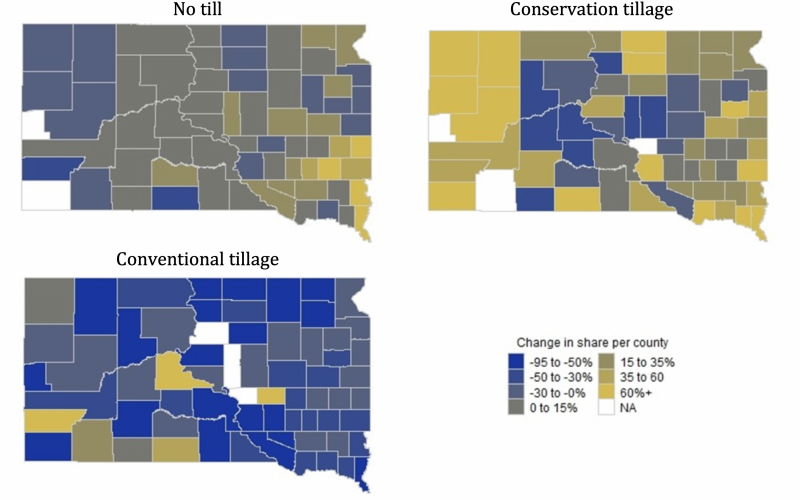
Soil Conservation Practice Adoption Status at the S.D. County Level: 2012–2017
An increasing number of farmers across the state of South Dakota have adopted different soil conservation practices such as no-till, conservation tillage and cover crops. Over time, these practices play significant roles in improving soil health and increasing soil resilience towards extreme weather conditions.
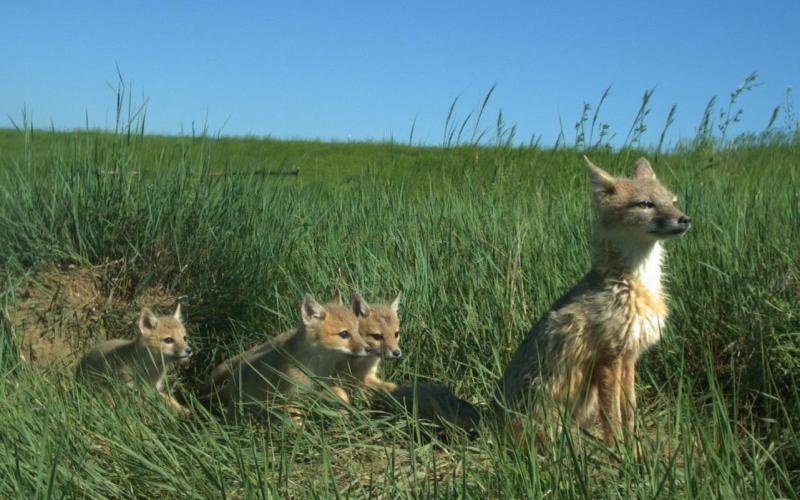
Swift Fox Status on South Dakota’s Grasslands
The swift fox (Vulpes velox) is a small fox native to the short and mixed-grass prairies of the Great Plains. In 2014, I began my master’s research at South Dakota State University monitoring the population of swift foxes around Badlands National Park in southwestern South Dakota. This population has recently declined, possibly due to various biotic and abiotic factors.