Search
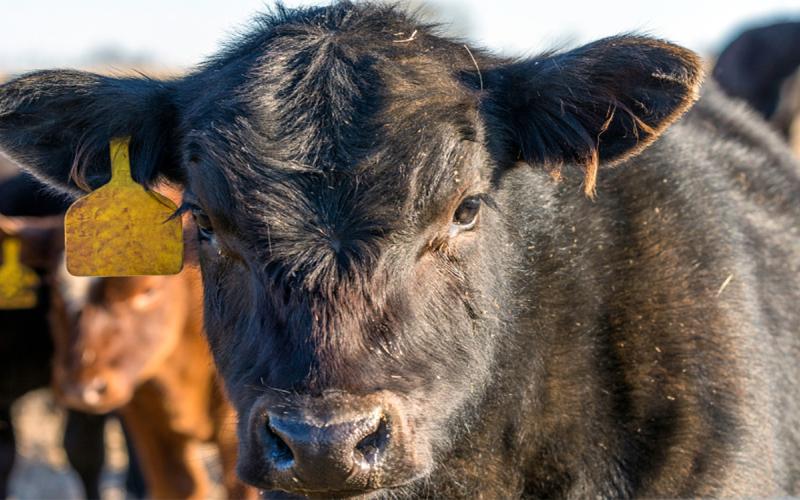
Research Update: Supplement Delivery Methods for Weaned Calves
When transitioning calves through weaning, it is critical to ensure that they consume nutrients to support their immune system and to set them up for rapid, efficient gains. But what supplement delivery methods work best?
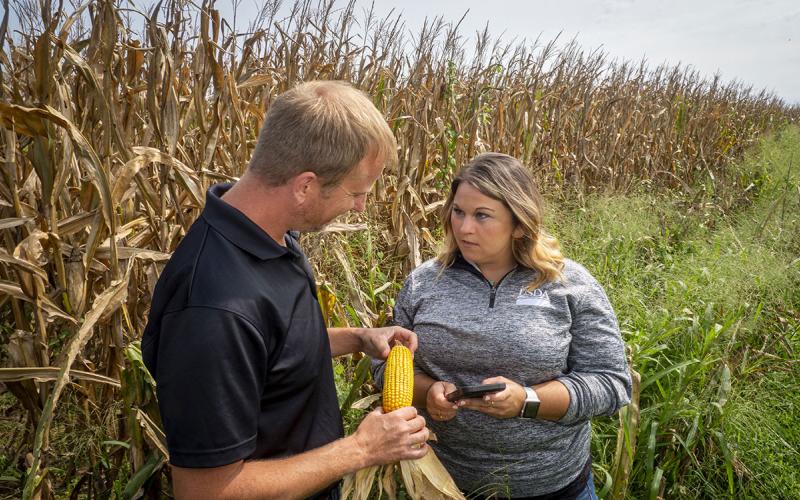
Margin Protection Crop Insurance for Corn in South Dakota
Farmers may be interested in exploring different aspects of crop insurance during the current agricultural conditions of low commodity prices and high input prices. One alternative available is Margin Protection crop insurance.
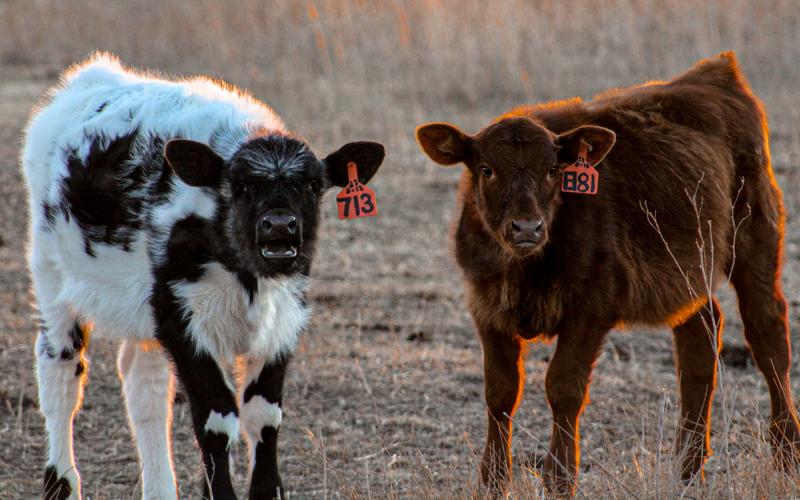
Combatting Drought Conditions With Early Weaning
Producers experiencing drought conditions should consider early weaning to reduce fall grazing pressure and facilitate some pasture recovery before dormancy.
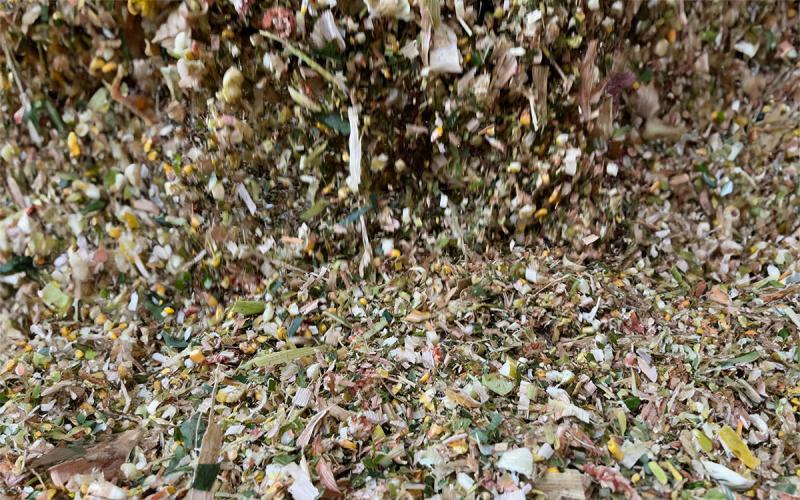
Best Management Practices for Corn Silage Harvest
Ensiling involves many different components to ensure a successful harvest and high-quality, safe feedstuff. Learn some expert tips to consider when chopping and storing corn silage to maximize the value and quality of your harvest.
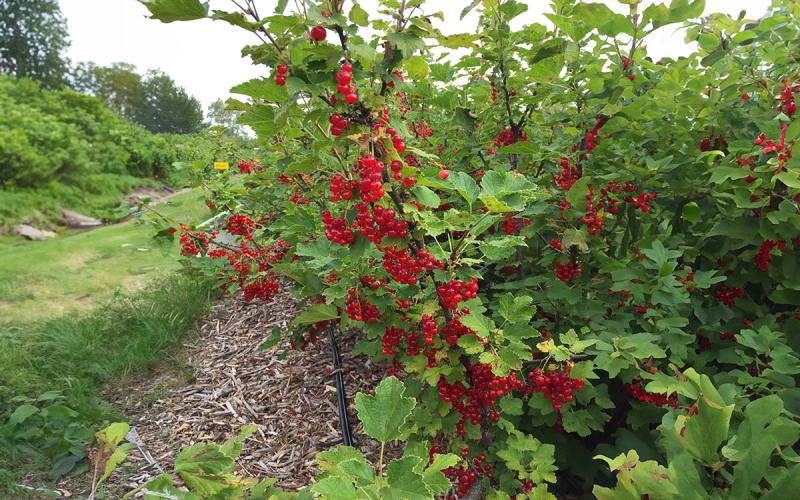
Currants: How to Grow It
Currants are small shrubs that can provide fruit even in partially or lightly shaded locations. Learn some expert tips for planting, growing, and harvesting them in this resource!
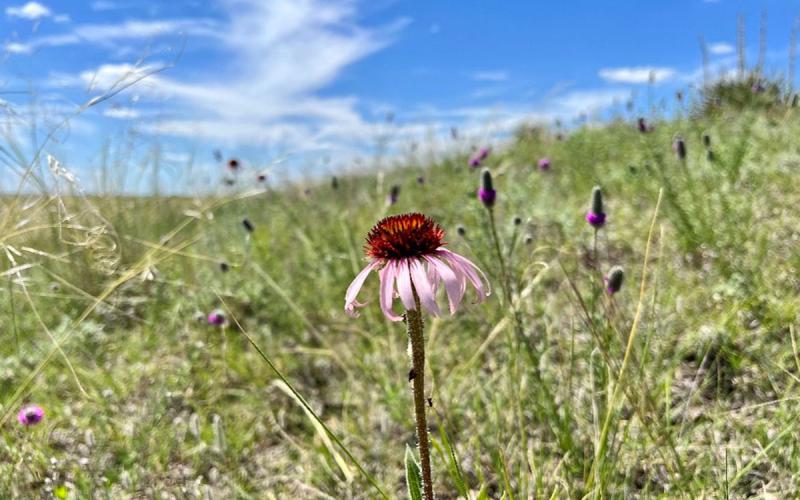
Understanding Grazing Behavior in Cows: The Role of Forbs in Their Diet
By understanding and managing the role of forbs in pastures, livestock managers can improve the health and productivity of their herds, while promoting sustainable pasture ecosystems.
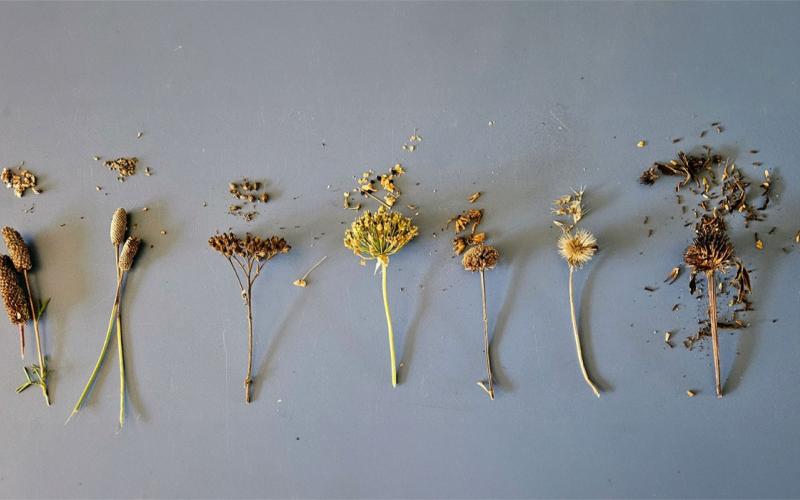
Native Seed Hand Harvest Guidelines
Hand harvest of native plant seed is a low-cost and low-tech method suitable for collecting seeds for small-scale use. Learn some important guidelines for harvesting, storing, and stratifying native plant seeds.
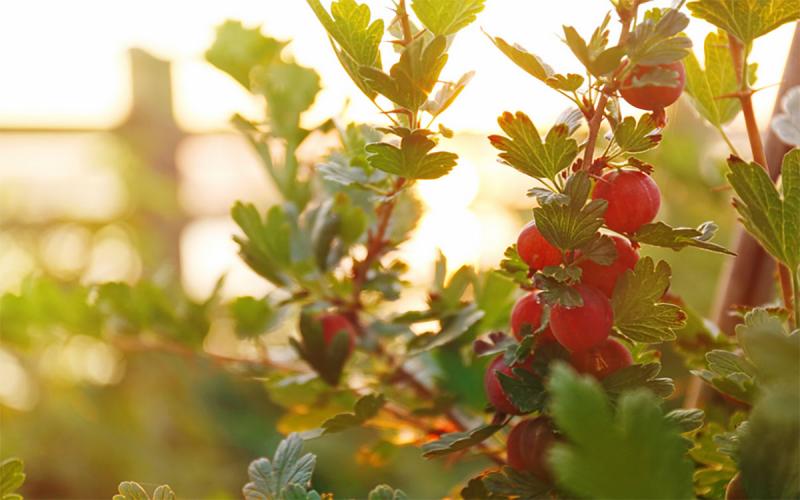
Gooseberry: How to Grow It
Gooseberries are small shrubs that can provide fruit even in partially or lightly shaded locations. Learn some expert tips for planting, growing, and harvesting them in this resource!
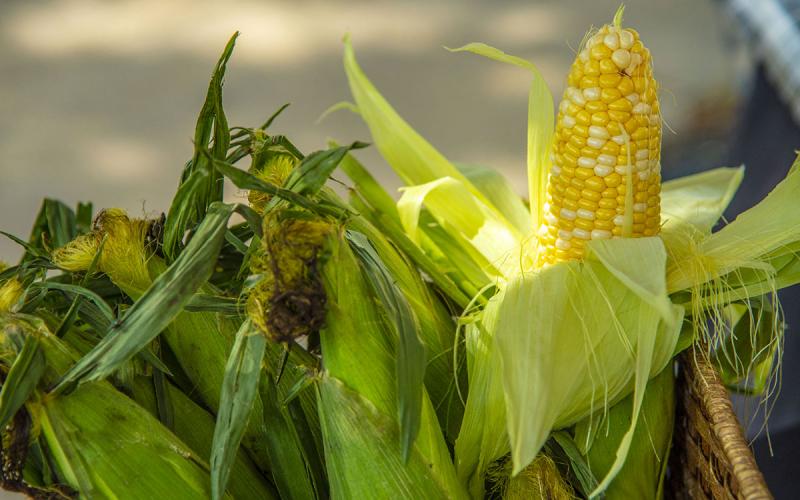
Growing Sweet Corn Successfully in South Dakota
Sweet corn is a staple crop with many different varieties, which each bring their own unique qualities influencing flavor, texture, and shelf life. Learn some expert tips for growing it in South Dakota gardens!
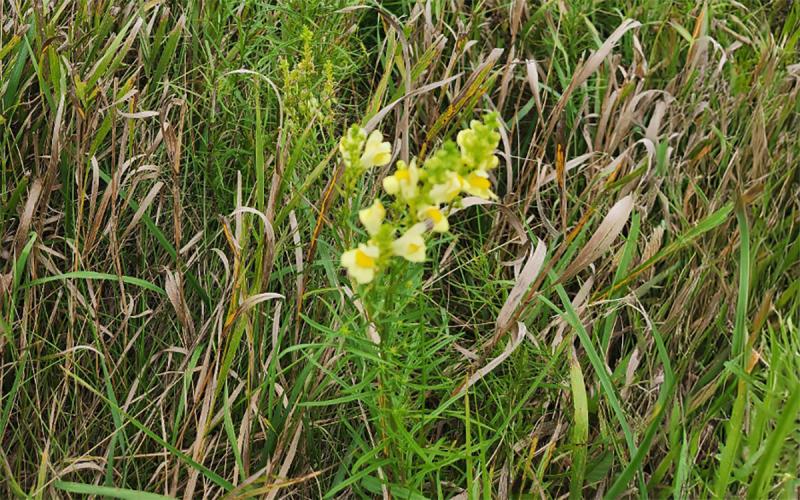
Yellow Toadflax Has Begun Producing Seeds: Scout before treating infested areas
Yellow toadflax is a perennial weed that infests pasture and rangeland across South Dakota. This year, with an abundance of heat and moisture, plants flowered in early August and now have started to produce seeds.