Search
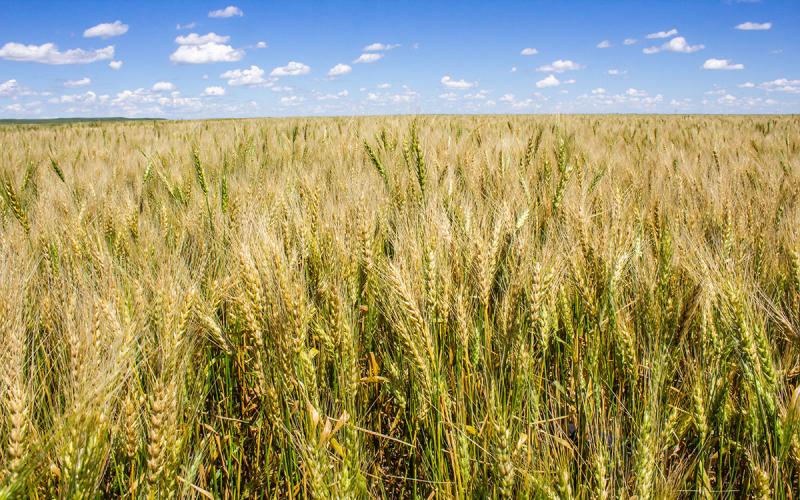
Winter Wheat and Nitrogen: Decisions for 2026 Growing Season
With fertilizer representing one of the largest variable costs in wheat production, inefficient nitrogen use can quickly erode profit margins. This being said, an emphasis should be placed on how to improve nutrient management during the 2026 growing season.
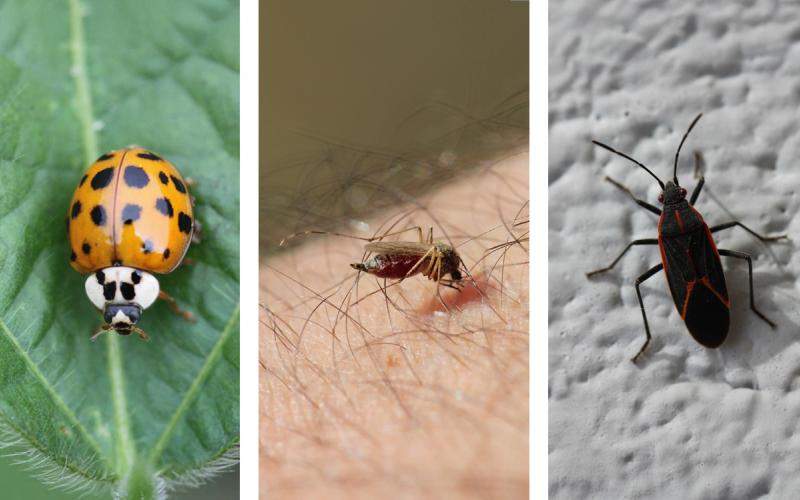
Insects Are Being a Nuisance This Fall
The weather is changing, and many of us are noticing an uptick in the nuisance bites caused by several insects. The continued warm weather is going to increase the activity of all insects, including the ones that are causing us displeasure.

Healthy Landscapes Healthy Communities Pilot Program: Looking back and moving forward in year two
Now in its second year, Healthy Landscapes Healthy Communities provides communities across the state with an opportunity to envision vibrant public spaces through an engaged planning and design effort.
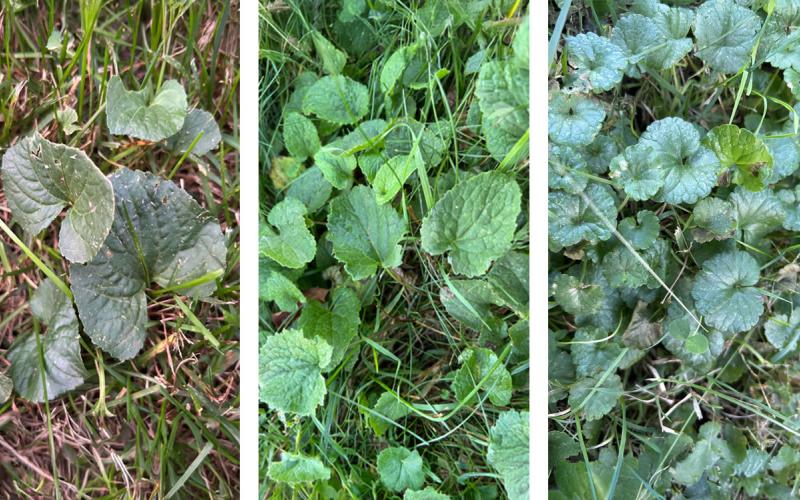
Perennial Weed Control in Lawns and Turf With Fall Herbicide Applications
Early fall is great time to control perennial weeds in lawns, including Wild violet, Creeping Bellflower, Ground Ivy, and Canada Thistle. Learn some expert tips selecting the right herbicides to manage these difficult-to-control weeds this fall.
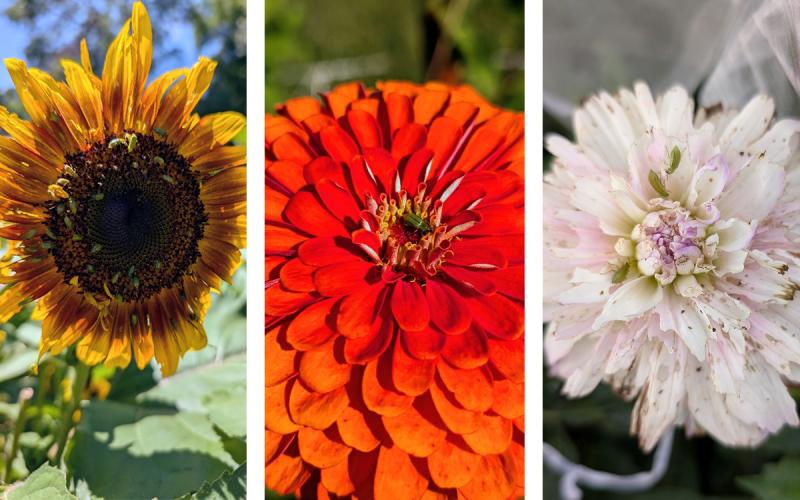
Corn Rootworm Presence in Cut Flowers
Multiple cut flower farms in Eastern South Dakota have reported corn rootworms on a variety of crops, including sunflowers, zinnias, and dahlias. Careful attention to species present, their timing, and the damage they cause can help inform integrated pest management strategies.
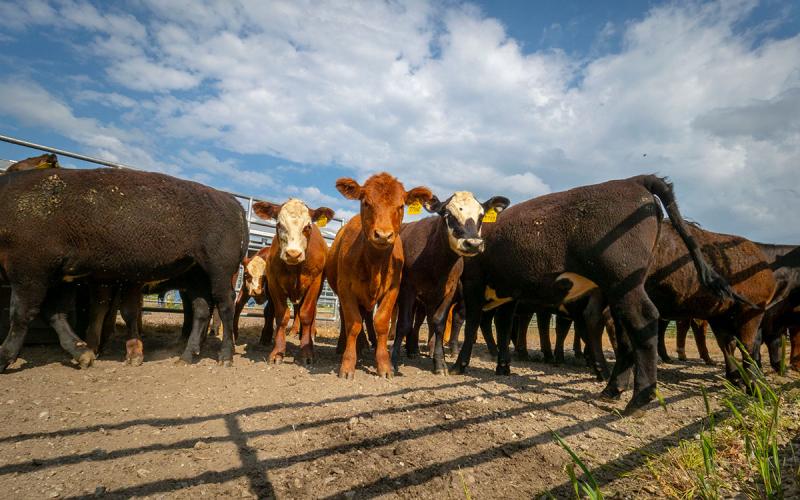
Crossbreeding Systems – Maximizing Heterosis & Profit
By using planned breed combinations, producers can improve traits like growth, reproduction, and overall herd performance, helping make better financial and management decisions.
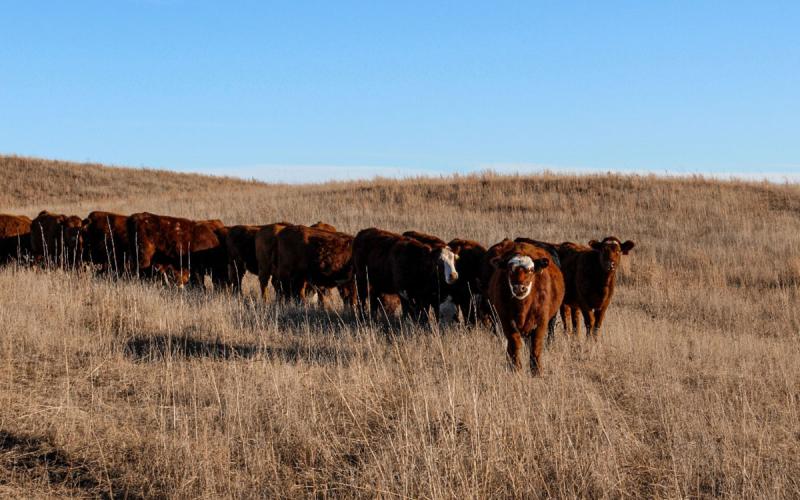
Fall Pasture Report: Considerations for Dormant Season Grazing
Recent fall rains across the region continue to improve soil moisture conditions in preparation for the dormant season. Unlike in years past, a fall green up has been in full swing for much of the region.
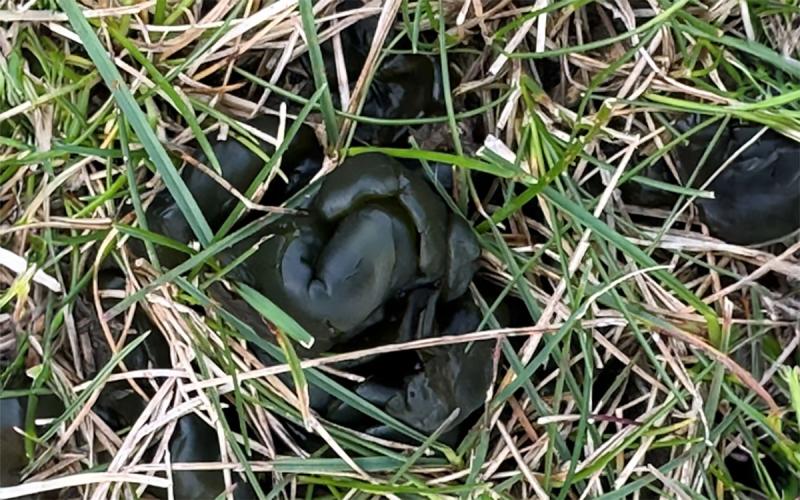
Nostoc in Lawns
Nostoc is a genus of cyanobacteria that form colonies in gelatinous masses. In South Dakota, it commonly appears in home lawns, notably in patches where grass is not growing, especially after periods of rain.
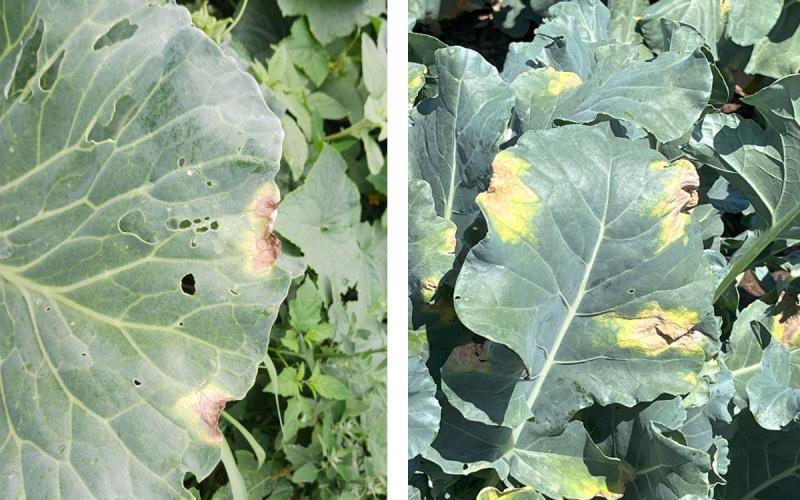
Black Rot of Brassica Crops
Black rot is an uncommon, but devastating bacterial disease in South Dakota that can develop during extended periods of hot and wet weather, leading to rapid and widespread crop loss.
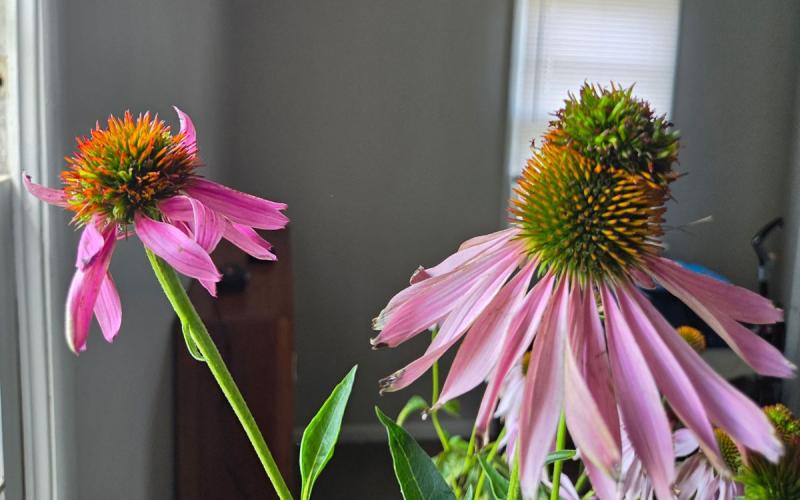
Aster Yellows - Plant Pest on the Plains: How you can get involved in this important research
Aster yellows phytoplasma, best known as Aster Yellows disease or Onion Yellows disease, is commonly observed in purple coneflowers across the Great Plains. SDSU Extension is monitoring and modeling its distribution in the region, and you can help!