Search
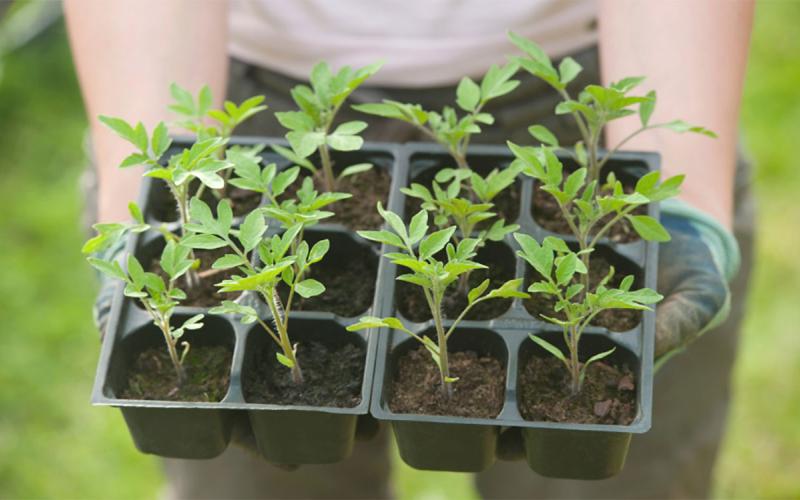
When Should I Plant My Warm-Season Vegetables?
Knowing when to plant warm-season vegetables can be a challenge in South Dakota when there are dramatic temperature swings each spring. Learn some expert tips for getting started!
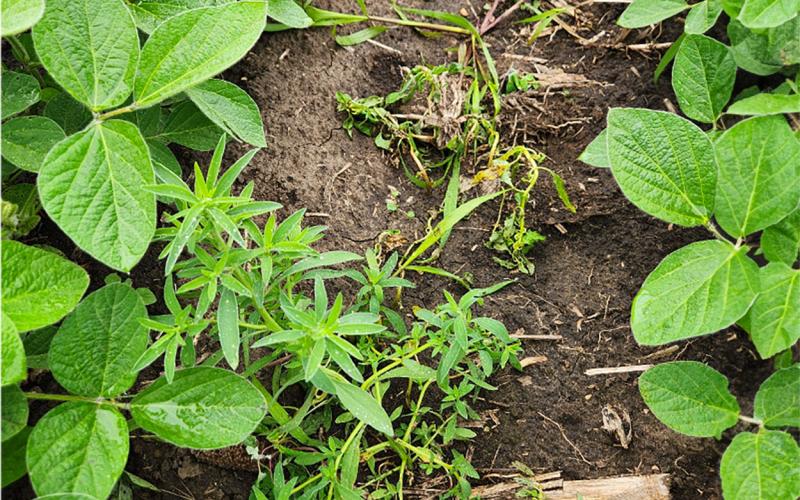
Reminder: One herbicide in the postemergence application will likely not be effective
The SDSU Extension Weed Science Project is currently conducting a plethora of field research evaluating weed management in soybean. One study is investigating the effectiveness of 2,4-D and tank mixtures applied one time to 4-inch weeds.
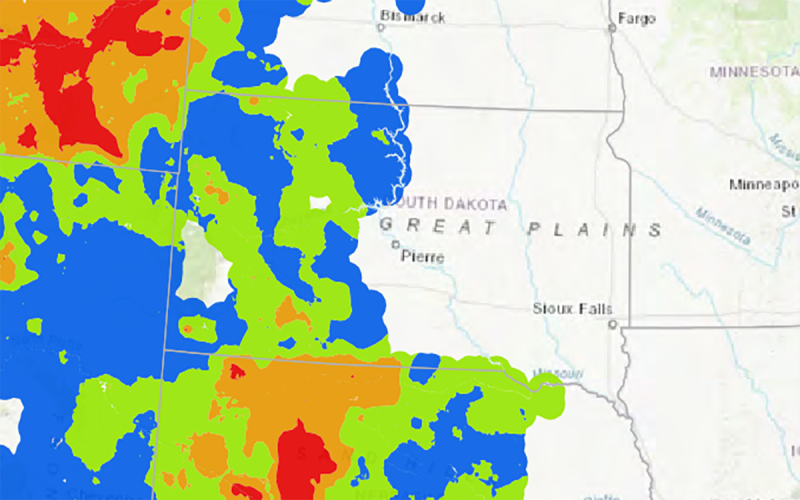
South Dakota Grasshopper Prediction for 2025
In 2025, it is likely that grasshopper populations will once again reach levels capable of causing issues in some areas of the state. Scouting should begin shortly after planting in areas where they were problematic in 2024 and continue throughout the growing season.
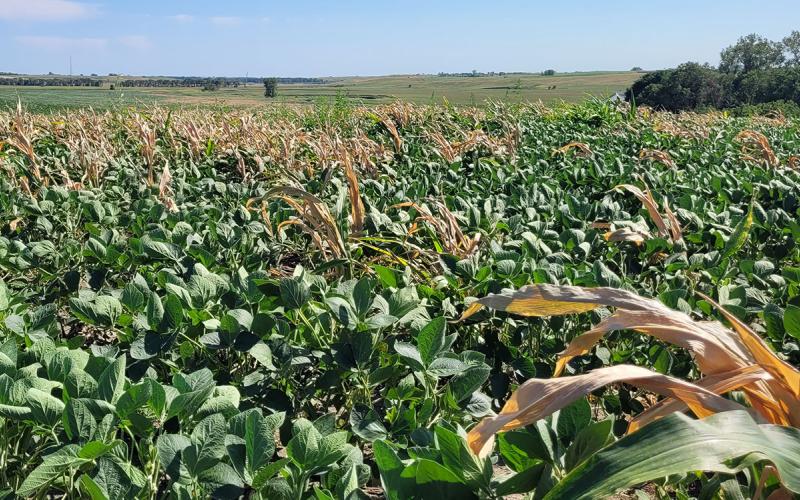
Stalk Grazing to Combat Volunteer Corn
Fall aftermath grazing by livestock, particularly cows, can dramatically reduce the amount of volunteer corn in the field. Learn some key benefits that stalk grazing can bring to your operation.
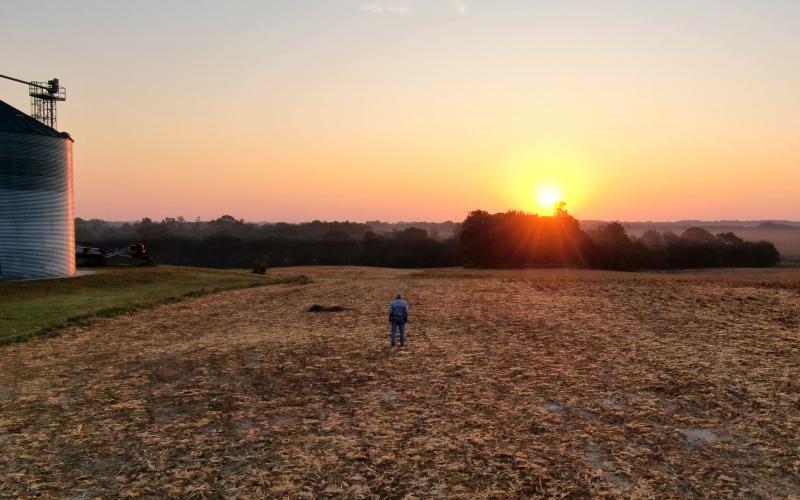
Cash Flow and Income Considerations for S.D. Farms: Part 1
Grain farming is facing a reduced income outlook for 2020. Unpriced old crop revenue has decreased and projected revenue for 2020 crop is reduced. Offsetting these decreases are chances that some input prices may fall, fuel related expenses and possibly higher payments from commodity title programs.

Producing Organic Cabbage and Sweet Corn with Cover Crop Integration and Reduced Tillage: Updates from the SDSU Southeast Research Farm
Research on clover cover crops grown in combination with four tillage and weed suppression methods was conducted at the SDSU Southeast Farm. Vegetable crops trialed included sweet corn and three varieties of cabbage.
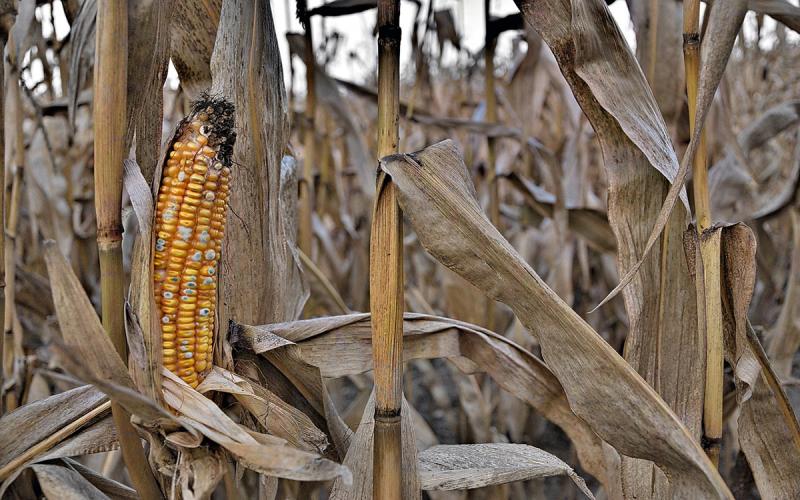
Mycotoxins: Should you be concerned?
Environmental stress caused by the weather or damaged crops increases the potential for mold and mycotoxin development. Learn some answers to common questions about mycotoxins and how to manage them.
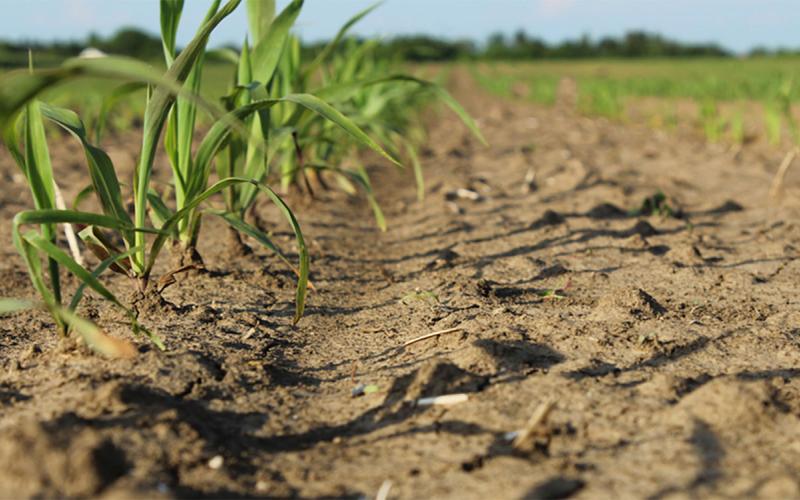
Herbicide Carryover Concerns for 2024
Herbicides with residual activity have great utility for weed management. However, due to environmental conditions, some herbicides can persist so that the crop grown next year can be injured.
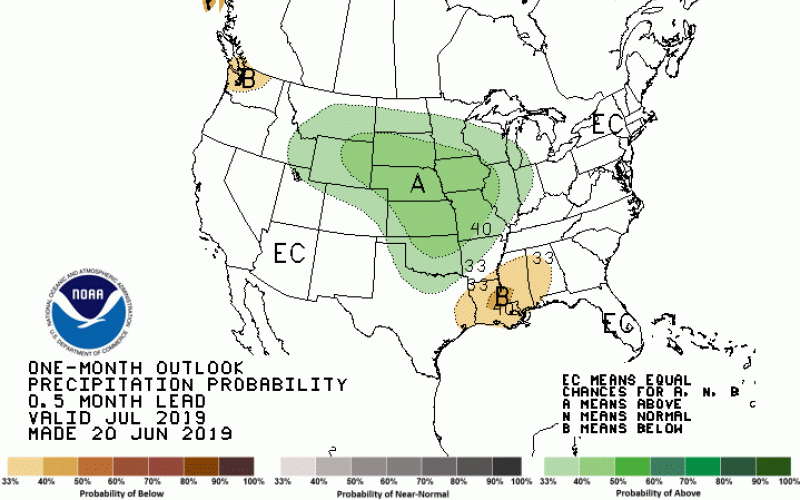
July 2019 Climate Outlook: Challenges Continue
This year’s seasonal pattern of wetter than average conditions is projected to continue through July and the rest of the summer season. The latest climate outlook, released June 20, 2019, shows an increased chance of wetter than average conditions in the next one to three months for the state of South Dakota.
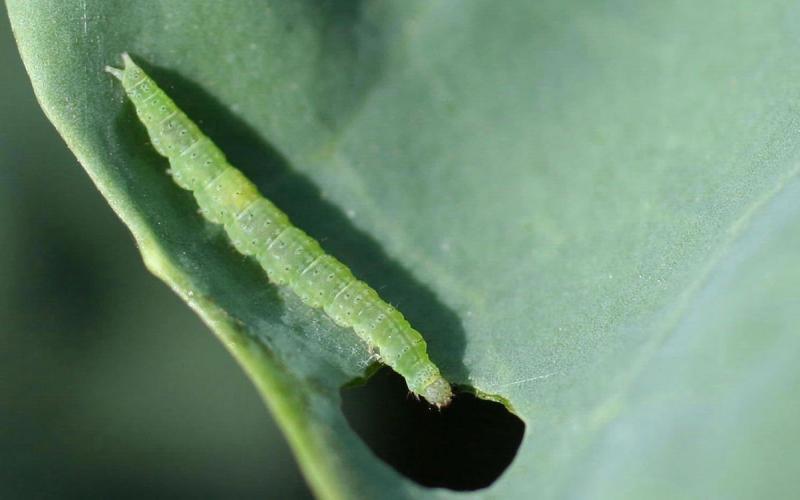
Diamondback Moth Caterpillars Active In South Dakota
Diamondback moth caterpillars have been observed in South Dakota gardens. These pests feed primarily on cole crops, such as broccoli, Brussel sprouts, cabbage, cauliflower and kale, leaving behind irregular-shaped holes.