Search
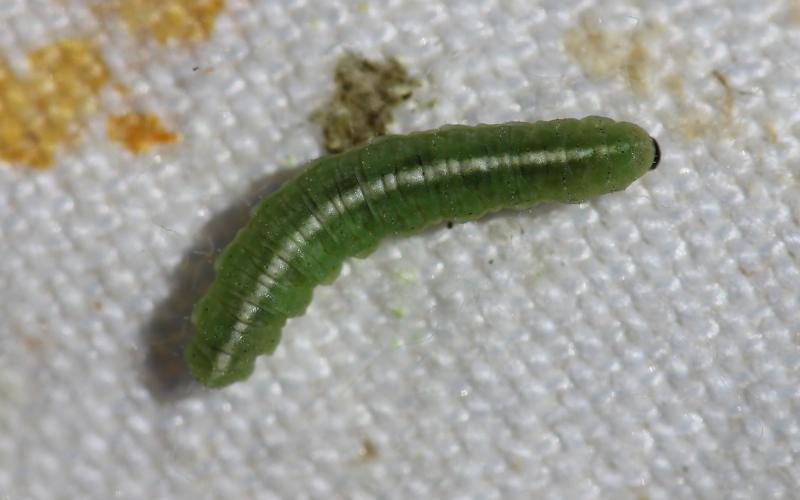
Alfalfa Weevil Activity Prediction Update: June 1, 2023
Throughout much of the state, enough degree days have accumulated for alfalfa weevil larvae to begin pupating. Scouting should continue until larvae are not observed.
Alfalfa Weevil Activity Prediction Update: May 16, 2024
South Dakota finally warmed up and as a result, alfalfa across the state should be scouted for alfalfa weevil larvae.
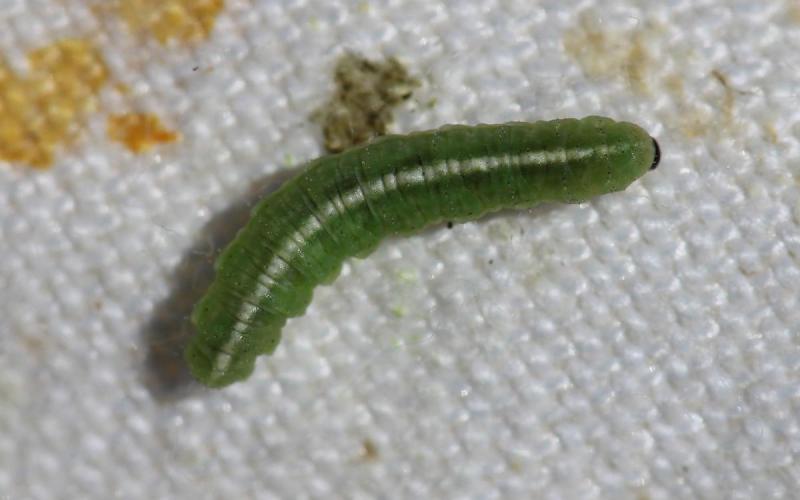
Alfalfa Weevil Activity Prediction Update: May 29, 2024
Most alfalfa weevil larvae that were observed this week were between the first and second instar, but it is likely that later instars are present in southern counties.
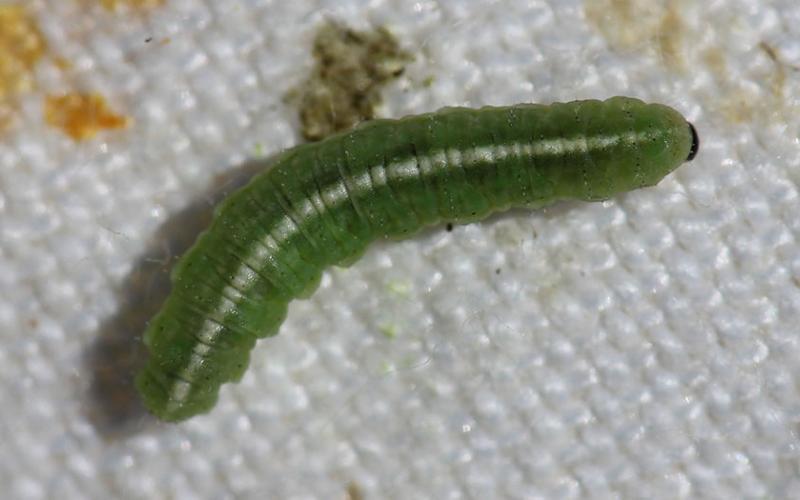
Alfalfa Weevil Activity Prediction Update: June 3, 2021
It has been a busy week for alfalfa weevils. Throughout the state, alfalfa weevils have been causing significant feeding damage. We recommend scouting alfalfa fields for the next week and treating when necessary.
Alfalfa Weevil Activity Prediction Update: May 20, 2021
This week we accumulated degree days for alfalfa weevils at a rapid rate. As a result, we observed many areas of the state potentially move through more than one larval life stage.
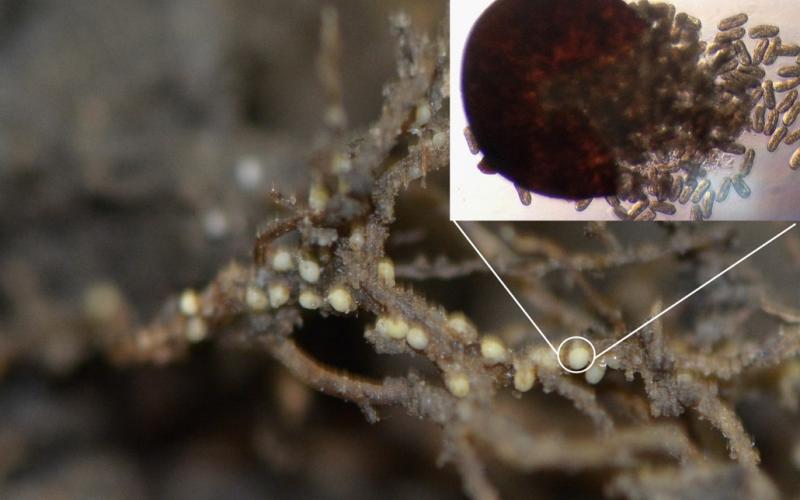
Fall is a Good Time to Test Your Soil for SCN
Is your yield monitor indicating low yielding areas in your soybean field? Soybean Cyst Nematode (SCN) could be the problem. Get to the root of the problem by testing your soil for the soybean cyst nematode. SCN management starts with a soil test to determine the presence or absence of this nematode in the soil. Absence may indicate either the SCN has not established in the field or could be present in non-detectable levels.
Fertilizer Placed With the Seeds in Dry Soil Conditions
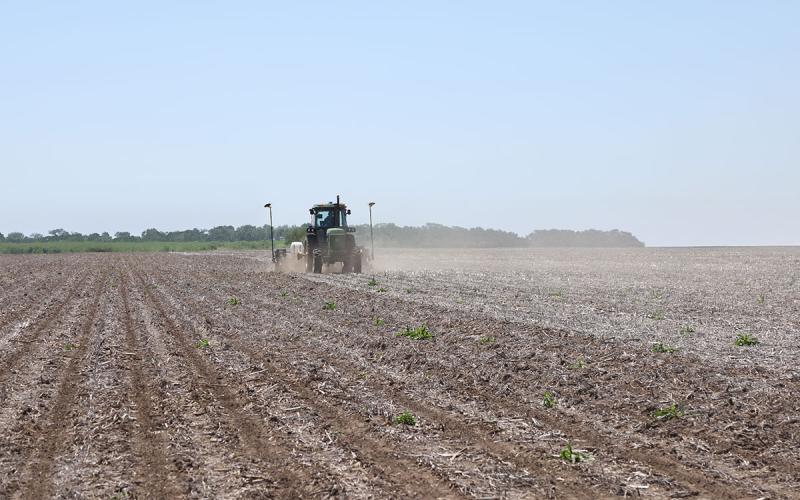
Climate patterns can shift from wet to dry very quickly. A current consideration is thinking about seed injury from furrow-placed fertilizers, and there are notable differences among crops for tolerance of seed-placed fertilizers.

Watch Corn for Bronzed Cutworm Activity
Bronzed cutworms are not a common pest of corn in South Dakota. However, they can become an issue when corn is planted into areas that were previously grassland. Like its name implies, bronze cutworms feed on corn above the soil surface, which often results in cutting or clipping.
Black Vine Weevils Becoming Active
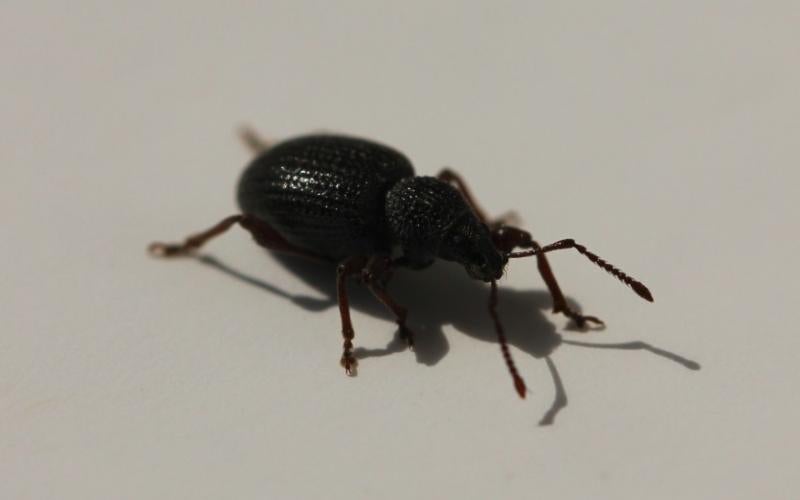
Black vine weevils are now showing up across the state. It is typical for the adult beetles to emerge in early summer and begin feeding on plant foliage. They primarily feed on lilacs and yews, both common landscape shrubs. Although the adults cause minimal damage, their larvae feed on the roots and can occasionally be a threat to ornamental plants, especially those grown in pots or containers.
Alfalfa Weevil Activity Prediction Update: April 14, 2020
The alfalfa weevil is a major spring insect pest of South Dakota alfalfa. Before 2018, this insect was reported as having large populations throughout much of South Dakota. However, during 2018 and 2019, we received fewer reports of alfalfa weevils, which may have been a result of the cooler and wetter spring conditions that were observed.