Search
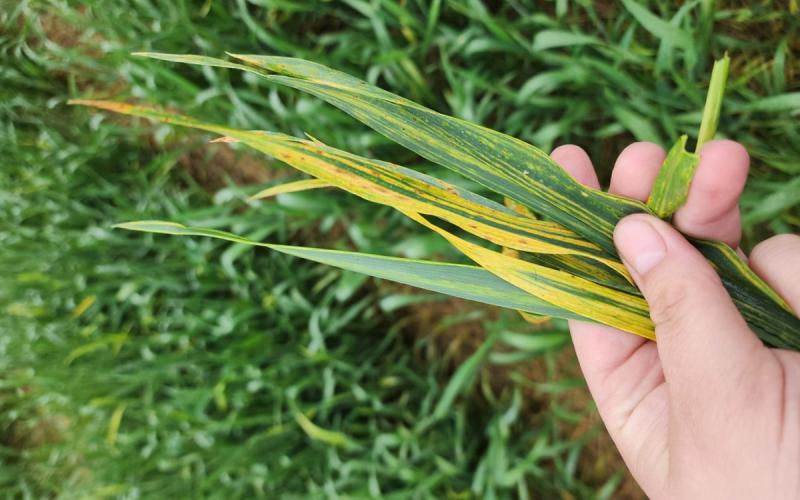
Wheat Streak Mosaic Virus Complex: Breaking the Green Bridge
As wheat harvest proceeds, it won’t be long until winter wheat planting is underway in South Dakota. To effectively reduce wheat streak mosaic virus, it is important to manage the green bridge effect to slow spread of disease in newly emerging wheat fields.
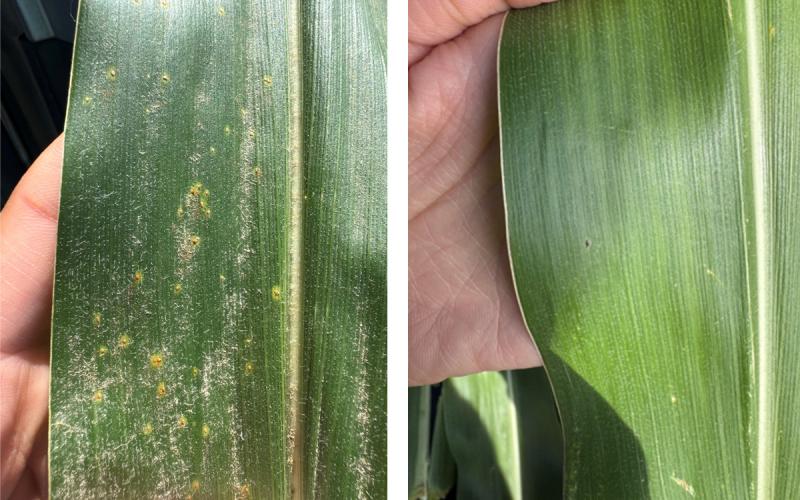
Corn Diseases in South Dakota Update
Several South Dakota counties have confirmed positive cases of Southern Rust and Tar Spot this growing season. See our latest recommendations for dealing with these diseases before they become a problem.
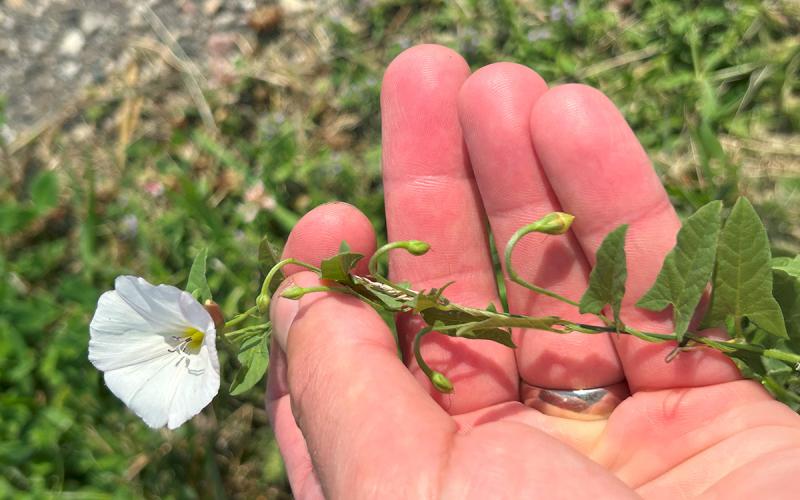
In a Bind With Field Bindweed?
It’s August and field bindweed, one of our most-persistent perennial weeds, is flowering. Although field bindweed is not statewide noxious, it’s locally noxious in Bennett, Bon Homme, Clarke, Lake, Stanley, and Yankton counties.
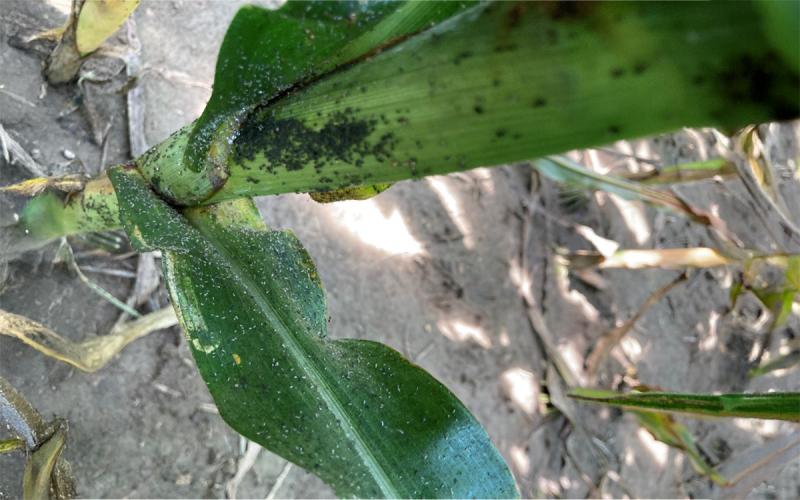
Aphids Infesting Corn in South Dakota
Aphid populations are taking off in some southeastern South Dakota corn fields. The two aphid species that are commonly observed in corn include the corn leaf aphid and the bird cherry oat aphid.

Wet Corn: Storage and Late Harvest Options
With a very challenging harvest in many parts of south and southeastern South Dakota this year, farmers were faced with difficult decisions. Wet, unfrozen ground in many areas and high grain moisture forced many farmers had to make a decision: harvest the wet grain, or let it stand in the field.
Youth for the Quality Care of Animals (YQCA) in South Dakota 4-H resources
About YQCA – the national program
Youth for the Quality Care of Animals (YQCA) is a national multi-species quality assurance program for youth ages 8 to 21 with a focus on three core pillars: food safety, animal well-being, and character development. The YQCA program is an annual certification created for youth producing and/or showing beef cattle, dairy cattle, sheep, meat goats, dairy goats, swine, poultry, and rabbits. The program has been designed by extension specialists and national livestock program managers to ensure it is accurate, current and relevant to the needs of the animal industry and shows, and is appropriate for youth learning levels.
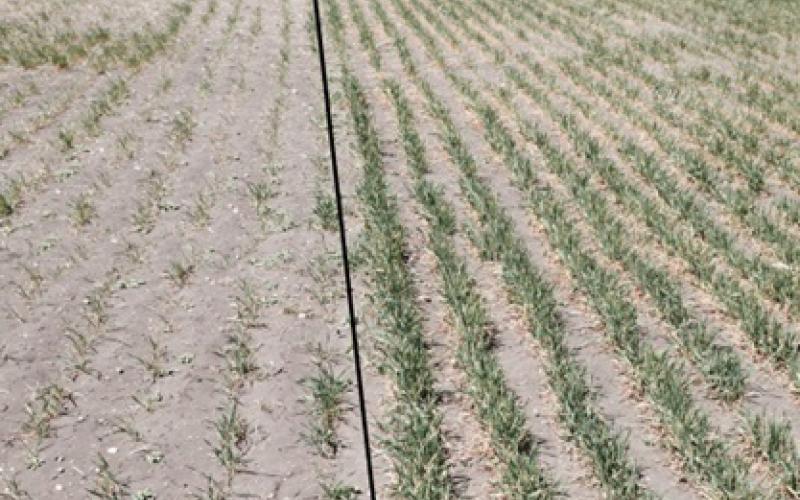
The Difficulty in Winter Wheat Stand Assessments
From freak snow storms to sub-zero temperatures and on to a recent lack of moisture and a cool spring, the climate in South Dakota has left many winter wheat growers and agronomists wondering about the health of their stands.
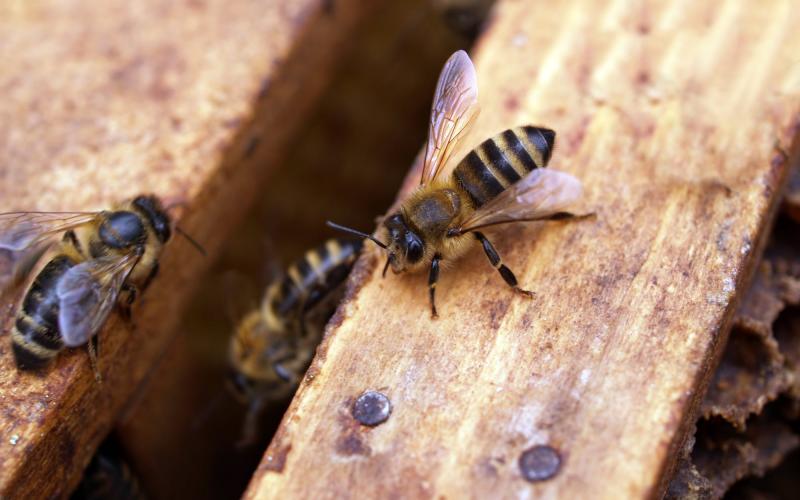
Backyard Biodiversity: Nest boxes for native bees
Many of our native bee species are solitary. In order to ensure that these kinds of bees spend more time in our yards and gardens, it is important to make sure we include places for them to nest.
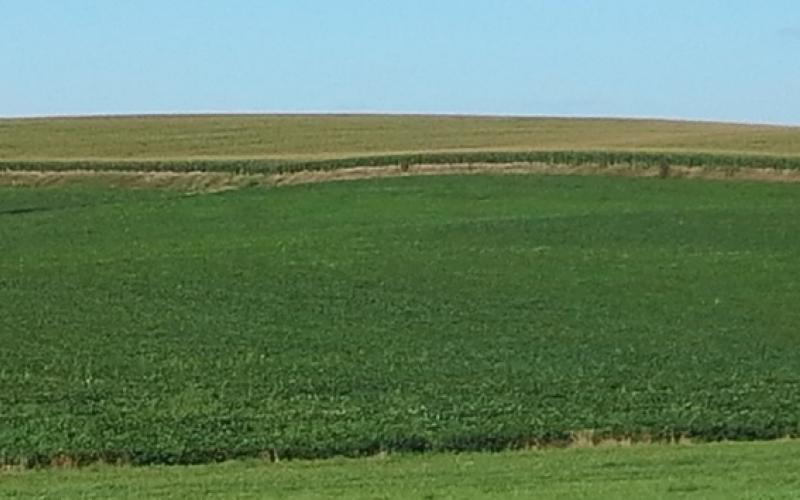
Yellow Soybeans
Yellow soybean areas within fields are being noticed in some areas of the state. There are six factors which could be causing the soybean plant yellowing: nitrogen (N), potassium (K), or sulfur (S) deficiency, iron deficiency chlorosis (IDC), soybean cyst nematode (SCN), or yellow flash from Roundup application.
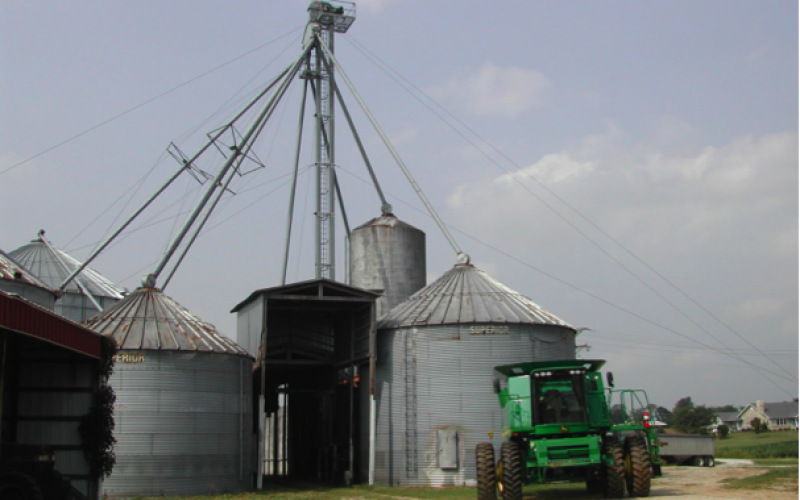
Soybean Drying and Storage
Why dry crop seeds artificially when they can be naturally dried in the field? Two major reasons are: i) allows harvesting when the crop is ripe and mature, and ii) proper storage that preserves seed quality.