Search
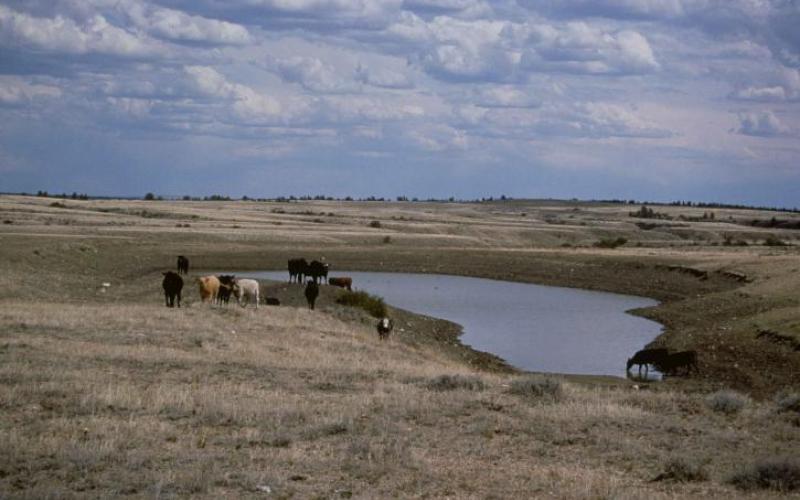
Ranch Drought Planning
Fact sheet with general drought planning tips from the range and natural resource perspective.

An identification guide to common Dung Beetles of South Dakota
A guide of common dung beetles of South Dakota.
![A herd of cattle gather around a stock pond on a vast, lush grassland. Courtesy: USDA [CC BY 2.0]](/sites/default/files/styles/teaser_800x500/public/2019-05/W-00231-00-cattle-grazing-grassland-pasture-range.jpg?h=8f818b46&itok=6GS1_Ww0)
Range Improvements, Grazing Systems and Net Present Value, What is the Right Balance?
As farms and ranches across South Dakota continue to endure increasing costs of production while receiving less cash for grain and livestock marketed; ranch managers must be extra diligent when implementing new range improvements and grazing systems on their ranches.
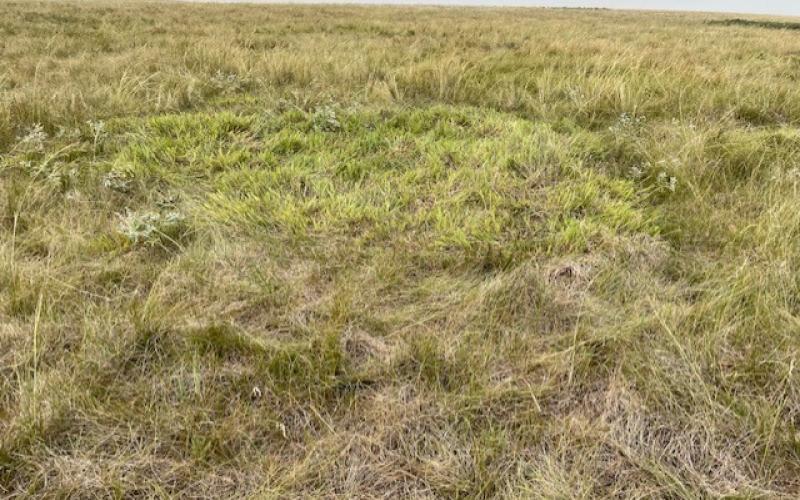
Targeted Grazing Strategies for Kentucky Bluegrass Control
Fact sheet for targeted grazing strategies for Kentucky bluegrass control.
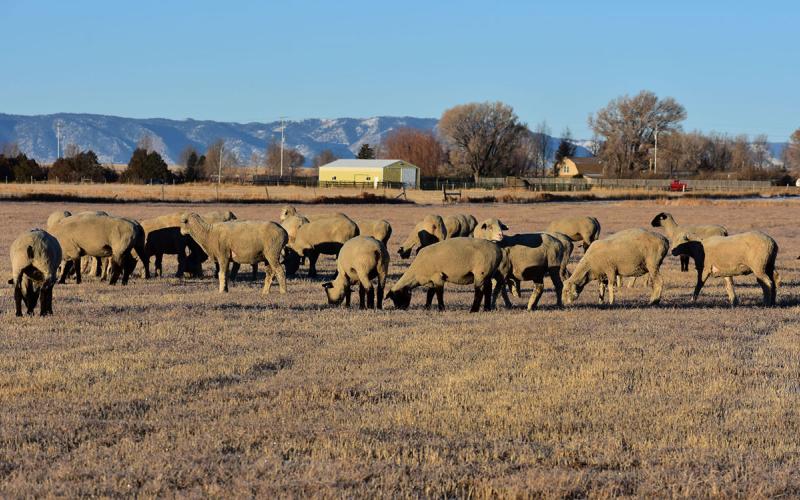
Using Livestock to Promote Healthy Rangelands
Fact sheet about using livestock to promote healthy rangelands
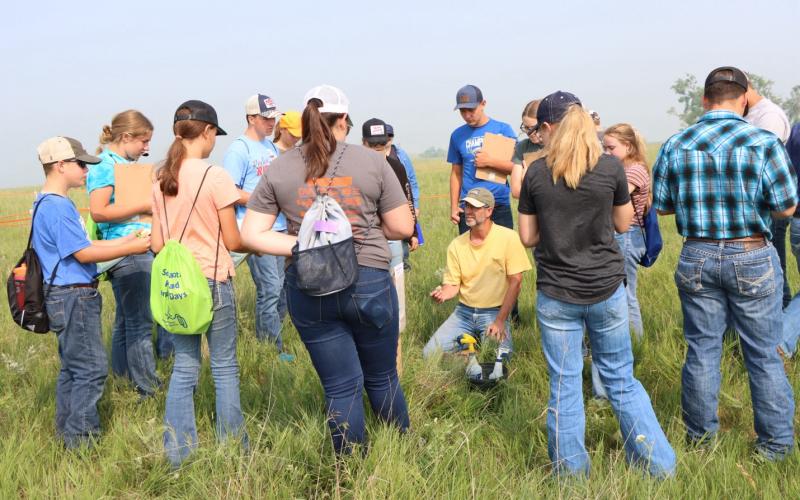
A Guide to South Dakota's Rangeland and Soil Days
Fact sheet to provide an overview of the South Dakota Rangeland and Soil Days program. This also includes detailed guidelines and contest information.
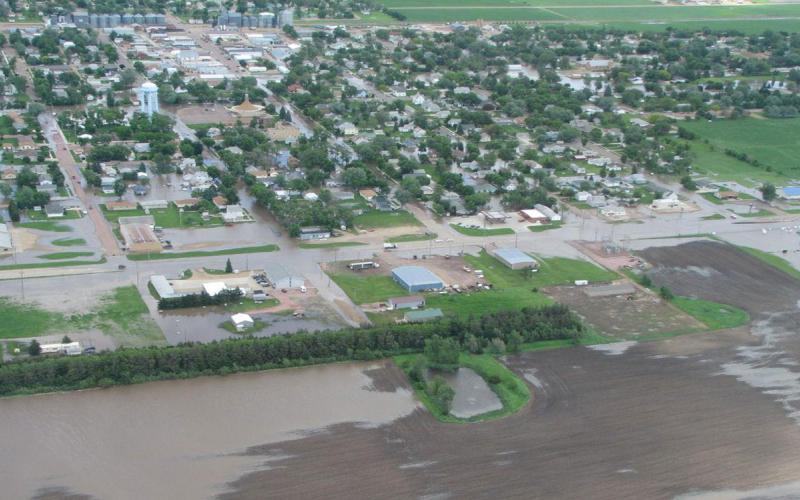
Educating About Flooding and Associated Activities
This series of five articles is designed to educate readers about flooding and the associated activities to prepare for, respond to, and recover from flood events.

Protecting Your Home and Landscape Against Wildfires
Wildfires pose a significant risk in western South Dakota, particularly within the Black Hills region, where periods of minimal precipitation can lead to drought conditions that elevate fire risk.
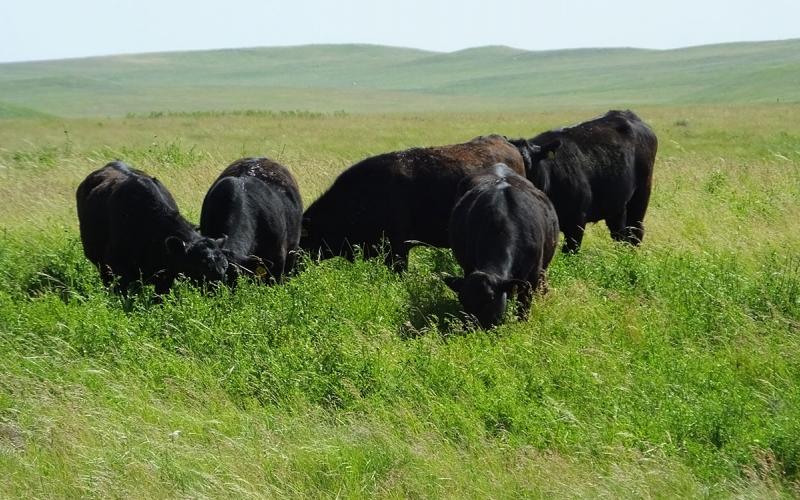
Estimating Livestock Consumption
When planning a grazing strategy, it is important to carefully assess goals and objectives and then match those goals and objectives with the appropriate livestock. It is critical that the manager understand that not all livestock are created equal.
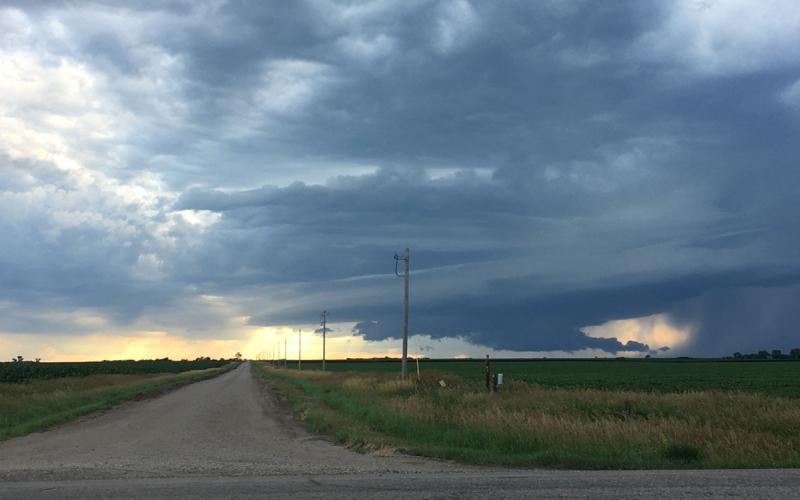
Summer Severe Weather Safety
Hail, high winds, heavy rain, lightning, tornadoes. These weather phenomena are common during South Dakota summers. Stormy weather can be beautiful to see, especially in our evening skies, but it can also be dangerous or life-threatening.