Search
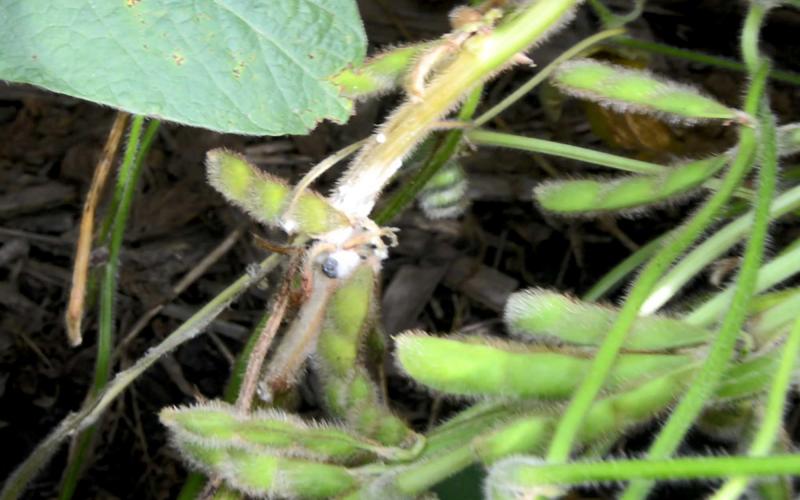
Start of Flowering Is the Ideal Time for White Mold Management in Soybeans
Some early planted soybeans are starting to flower (R1 growth stage). One soybean disease that needs to be managed at this growth stage is white mold.
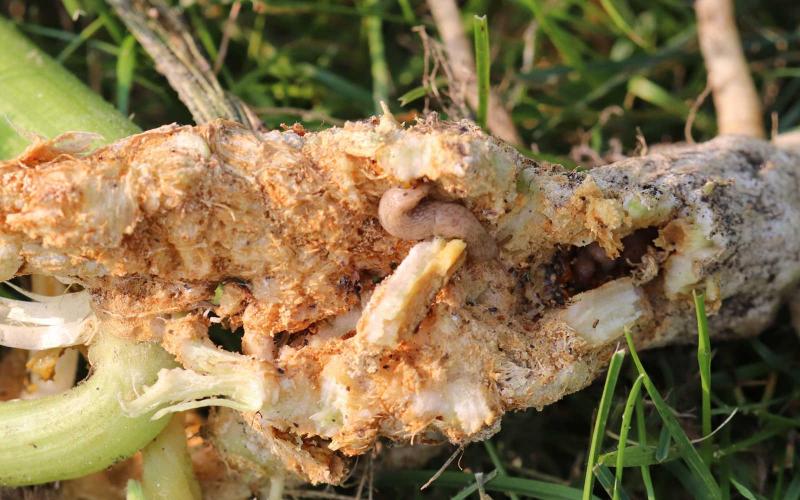
Watch Your Squash! Squash Vine Borer Moths Are Active.
Each year vine crops, including squash, zucchini and pumpkin plants, fall victim to squash vine borer larvae feeding inside their stems.
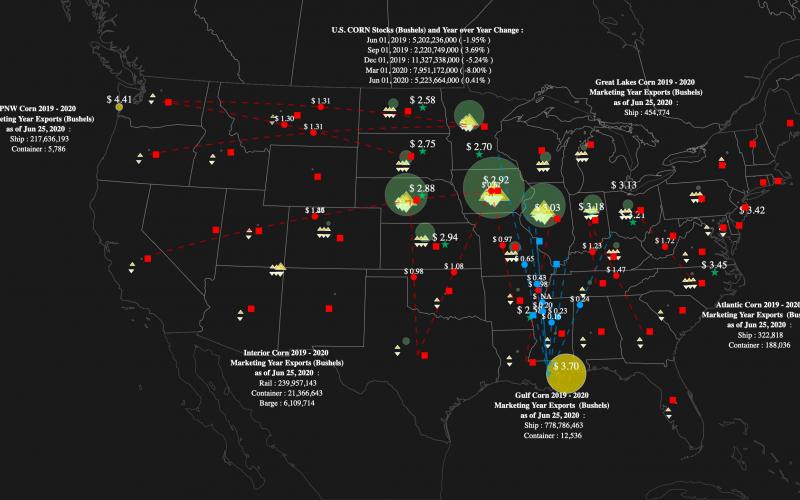
Interactive Grain Report Tool
The SDSU Extension Interactive Grain Report Tool provides a real-time and historical grain situation report for corn, soybeans, hard red spring wheat, and winter wheat. The tool gathers data on average state elevator cash bids, export cash bids, rail and barge costs, grain stock levels, rail cars loaded by state with grain, grain barge movements, and marketing year export inspections.
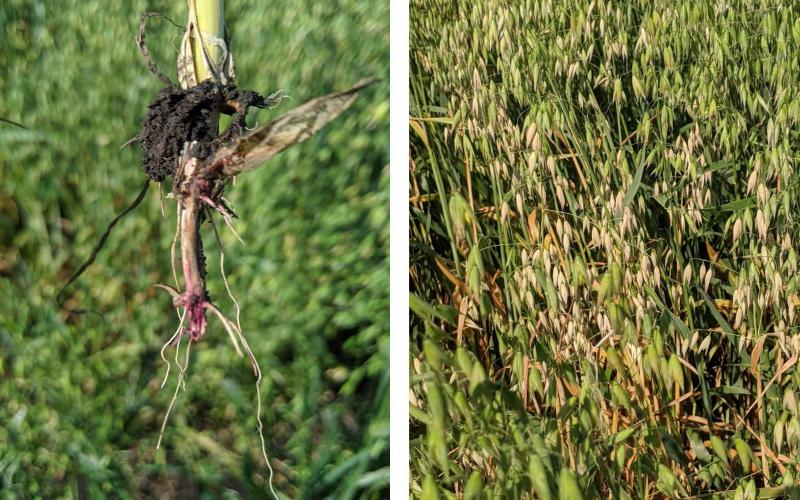
Fusarium Crown and Root Rot Observed in Oats
Some oat fields are showing plants wilting with tillers dying prematurely and heads looking bleached. Inspecting the crown and sub-crown area reveals the discoloration and rotting and sometimes a pinkish color can be observed. These are typical symptoms of Fusarium root and crown rot.
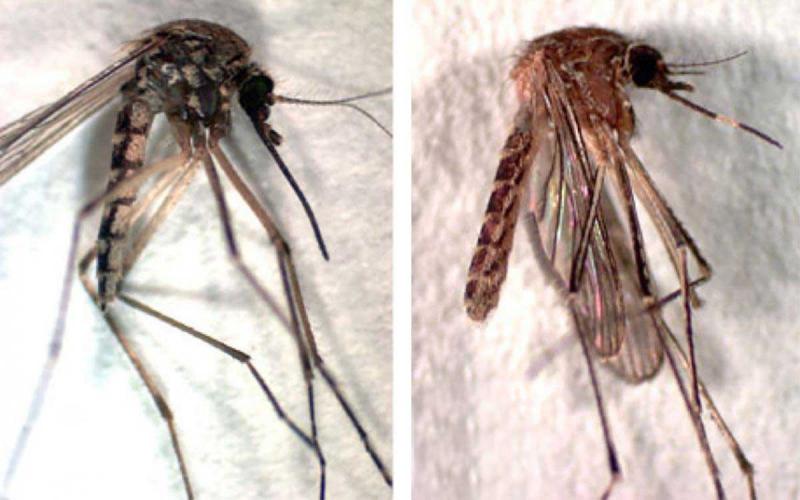
Know Your West Nile Virus Vectors
In some areas of South Dakota, recent precipitation has led to an increase in mosquito activity. To reduce the chances of contracting West Nile Virus, it is important to understand the behavior of the mosquitos capable of vectoring it.
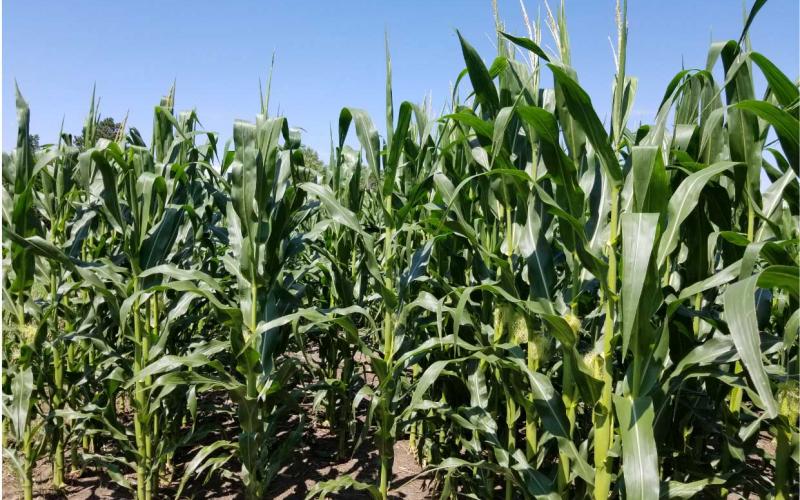
Flowering in Corn
Corn is at or near the most critical growth condition. Successful flowering and pollination are very important in determining the fate of the kernel setting and development. This article summarizes the pollination process and the effects of dry, hot conditions on pollination.
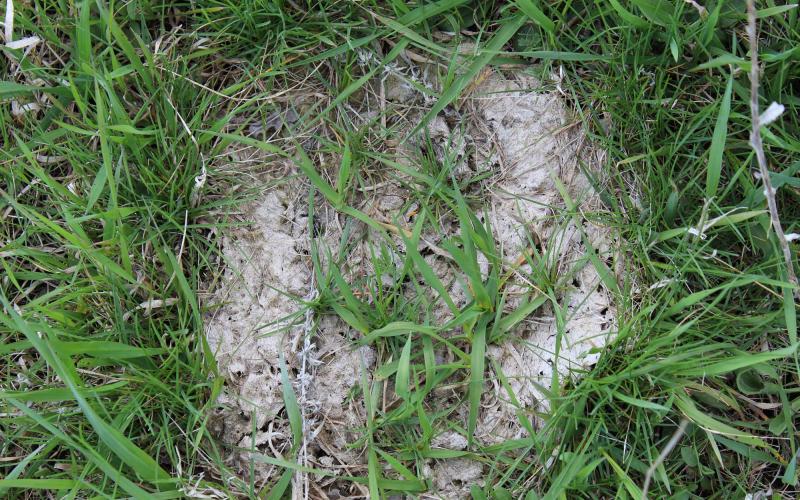
Dung Beetles and Other Insects Can Help Breakdown Dung and Control Pests
This article summarizes findings related to dung beetle ecology and how dung beetles advance the breakdown of dung pats.
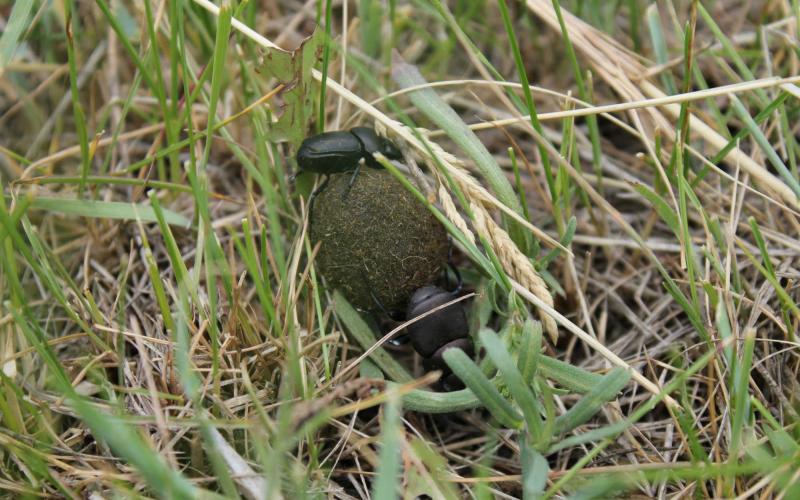
Managing Livestock for Dung Beetles and Other Beneficial Species
South Dakota researchers have taken a closer look at the function of dung beetles in Eastern South Dakota over the last few years. This article summarizes findings related to management of livestock grazing and chemical pesticides in relation to dung beetle and insect community health.
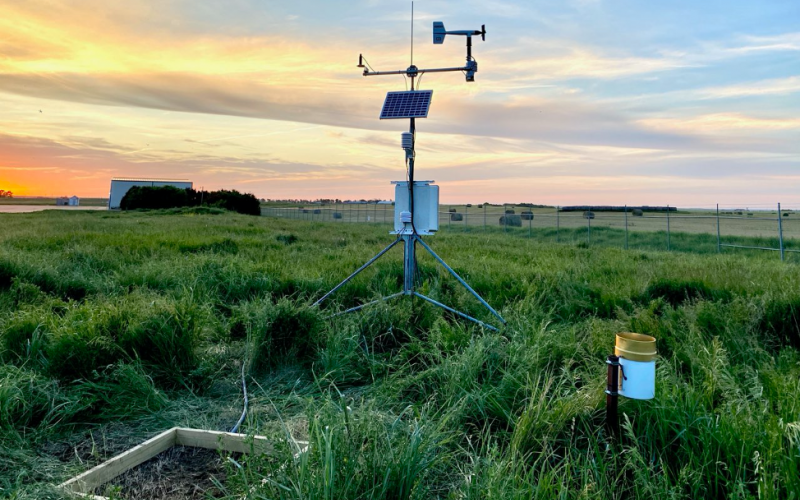
South Dakota Mesonet Weather Station at Eagle Butte Returns to Service
July 15, 2020
The South Dakota Mesonet at South Dakota State University has reactivated its weather station near Eagle Butte with the support of the Cheyenne River Sioux Tribe Telephone Authority.
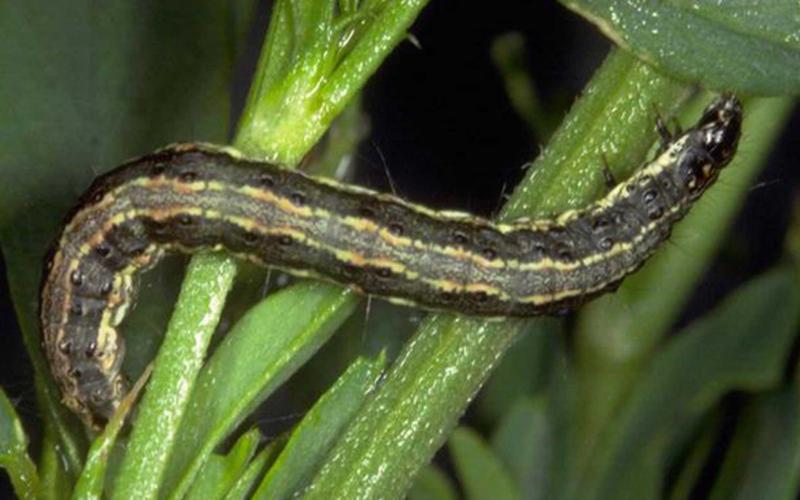
Monitor Soybean and Sunflower for Alfalfa Webworm Caterpillars
In the last couple of weeks, we have received numerous reports of small green caterpillars in soybean and sunflower. The caterpillars have been described as producing webbing and moving extremely quickly when disturbed.