Search
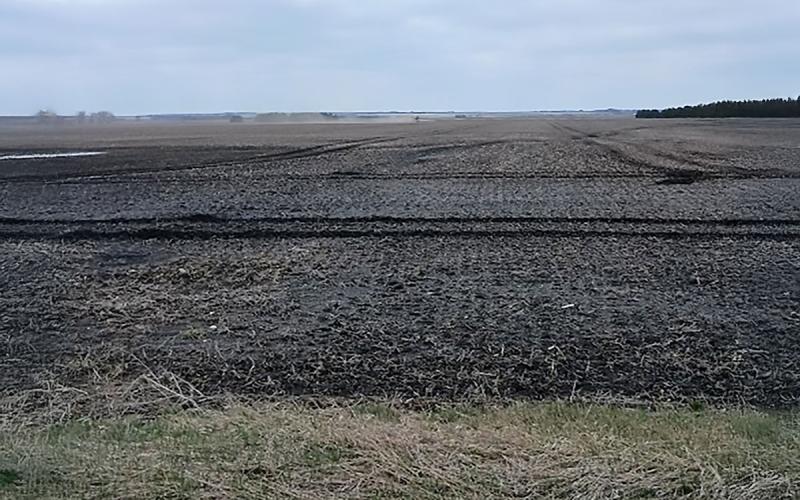
How to Avoid Soil Compaction During Crop Harvest
Soil compaction can degrade soil health and lead to reduced crop yields. Learn some production practices that can implemented during harvest to avoid soil compaction.
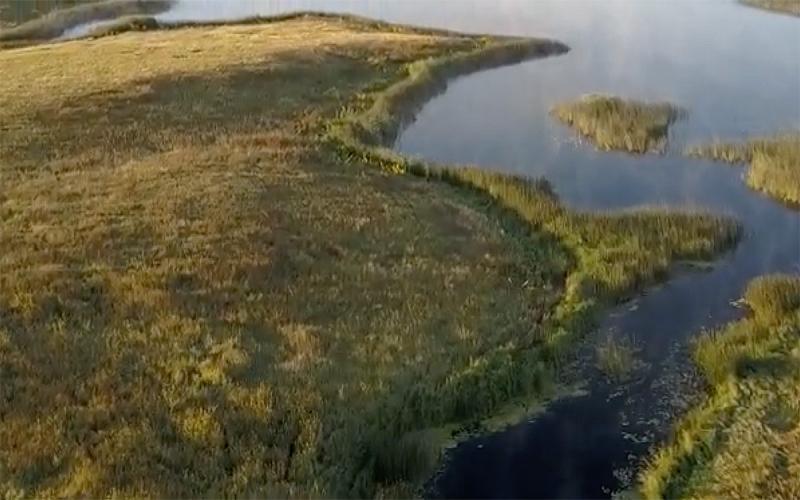
Prairie Pothole Wetlands: Small Basins, Big Impact
The benefits of prairie wetlands extend far beyond wildlife. These wetlands filter pollutants and excess nutrients from agricultural and urban runoff, trap sediment, recharge groundwater, and store floodwater.
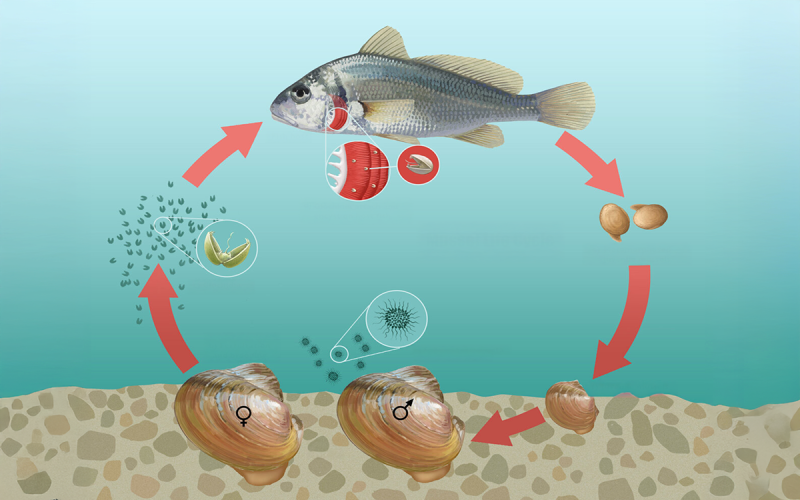
The Importance of Fish for Native Freshwater Mussel Reproduction
To reproduce, freshwater mussels rely on fish to carry their young into new areas and disperse them when they are old enough. By conserving suitable fish habitat, it also allows us to indirectly conserve mussels by providing necessary resources for mussels to reproduce.
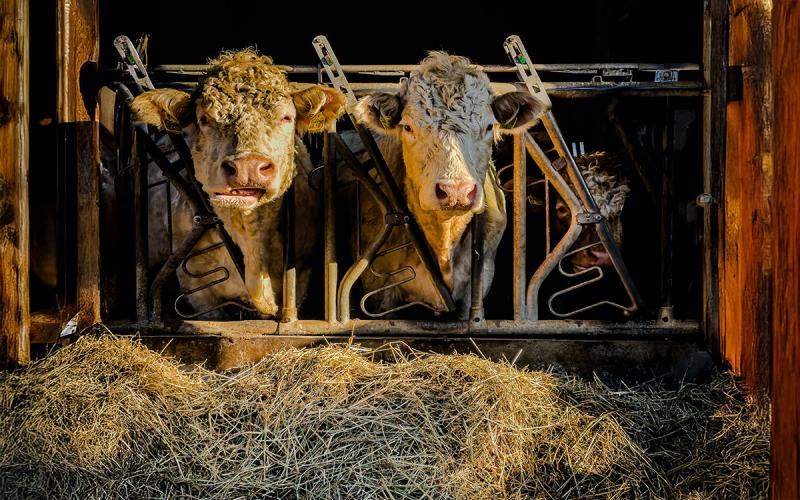
Feed Management for Efficient U.S. Livestock Systems: Introducing the National Animal Nutrition Program’s Feed Management Committee
The National Animal Nutrition Program’s Feed Management Committee brings together experts in animal science, nutrition, and natural resource management to increase awareness and use of livestock feeding management and to address conservation needs.
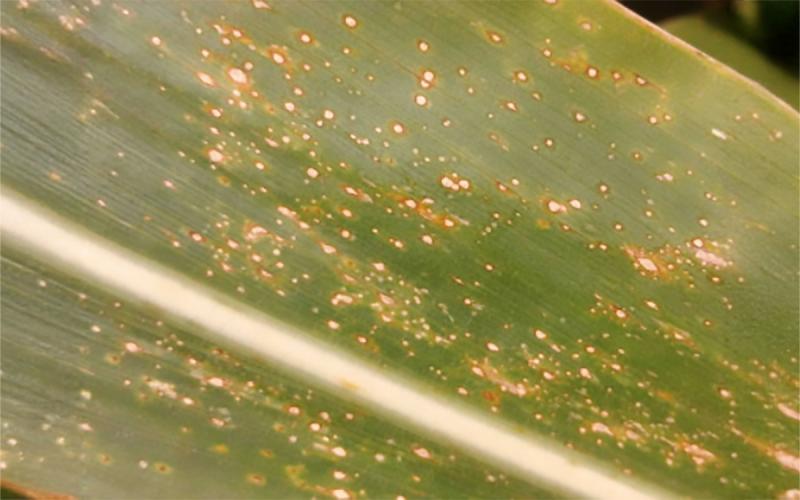
Corn Disease Update: September 2, 2025
As of September 2, 2025, a number of corn diseases have been reported and confirmed throughout South Dakota. View our latest findings as we approach the fall harvest season.
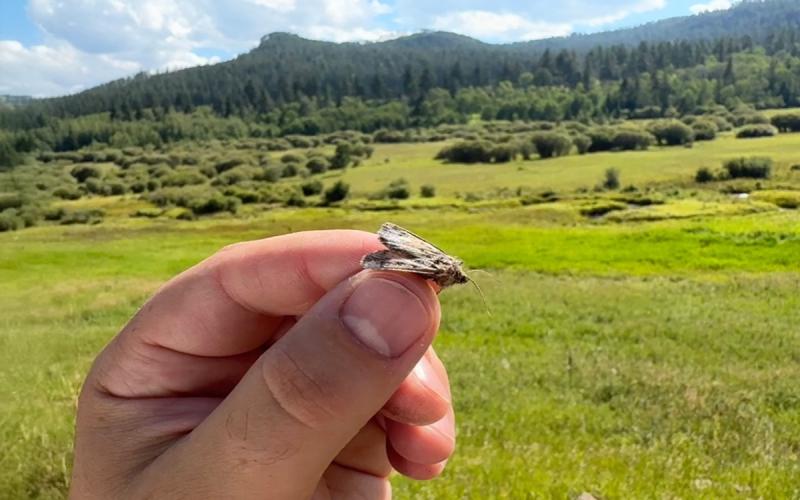
Army Cutworm Migration Swarms Detected in Western South Dakota
Mass populations of army cutworm moths are being reported to entomologists at South Dakota State University. Thus far, these migratory swarms have only been observed in far western South Dakota, particularly within the Black Hills.

SDSU Extension range workshop offers unique educational opportunity in Rosebud
September 02, 2025
The eighth annual Rosebud Range Workshop, led by South Dakota State University Extension and partners, was held on July 16, 2025, at the Rosebud Sioux Tribal Ranch and provided participants a unique opportunity to learn about rangelands.
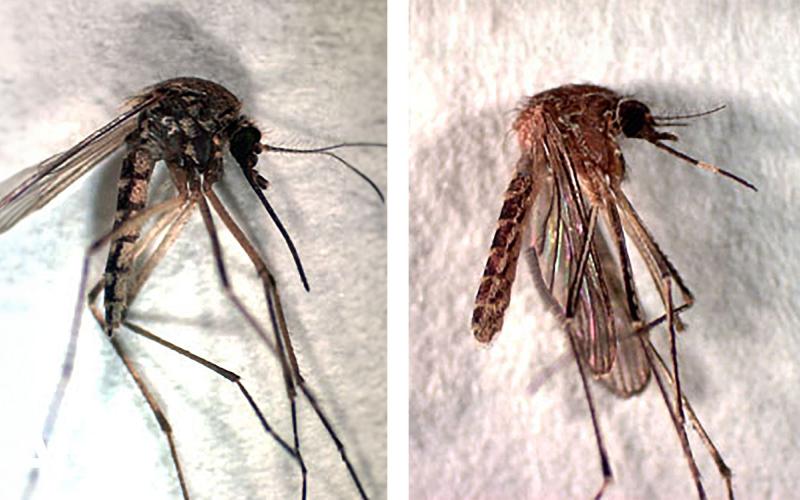
Mosquitos to Watch for in South Dakota
After many areas in South Dakota experienced heavy rainfalls, mosquitos are now a major issue. Learn which species are most common throughout the state and which carry the highest risk for West Nile Virus.
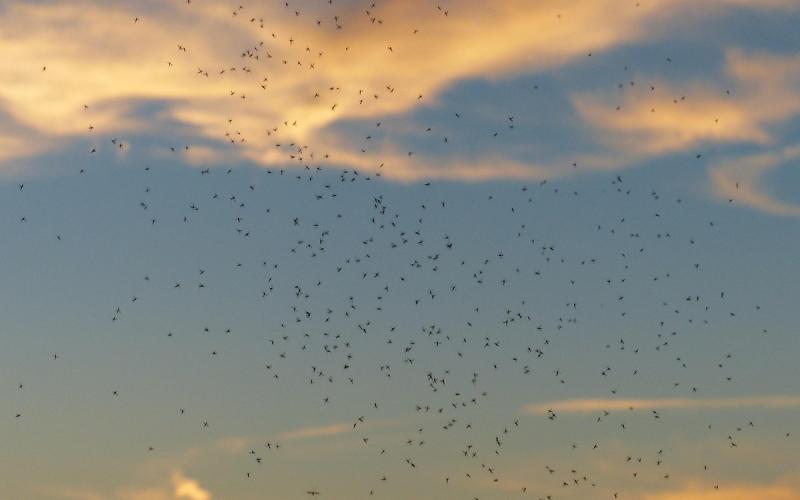
West Nile Virus Update: September 3, 2025
As of August, the South Dakota Department of Health indicated that West Nile Virus positive mosquito pools have been detected in Beadle, Brookings, Brown, Codington, Hughes, Lincoln, and Minnehaha counties.
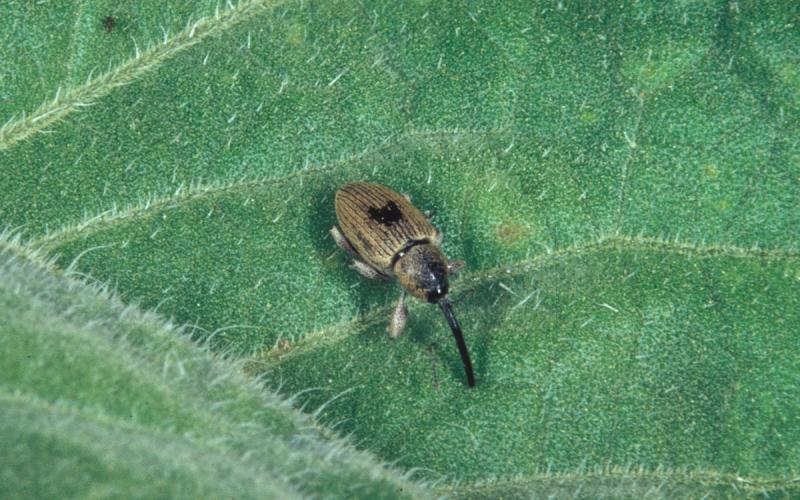
Did Malathion Effectively Manage Your Red Sunflower Seed Weevils?
Now that the August 31 deadline for the application of products containing malathion for red sunflower seed weevil management has passed, it is time to determine if the product was effective. South Dakota State University entomologists have received varying reports on this topic.