Search

An Update on Agricultural Carbon Markets
Agricultural carbon credits have recently re-emerged as a topic of discussion, and this time in a different policy and demand environment compared to the early 2000s.

How the Veterinary Lab Diagnoses Anthrax in a Beef Herd
Anthrax is a serious disease of cattle that pops up somewhere almost every year in South Dakota. It’s caused by a bacteria that survives as a very tough spore form in the soil. Knowing whether a death on pasture has been caused by anthrax is important for several reasons.
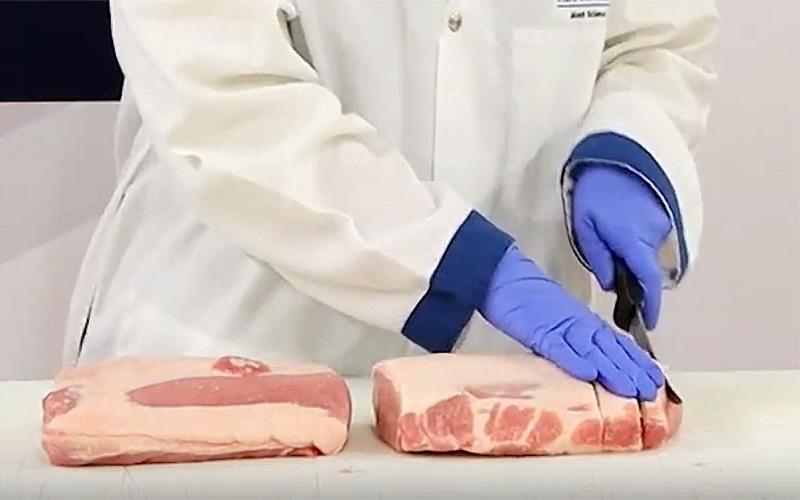
How to Cut a Boneless Pork Loin
This article will walk you through the different ways to cut a pork loin into more-manageable cuts and how to package and store what you’re not going to eat right away.
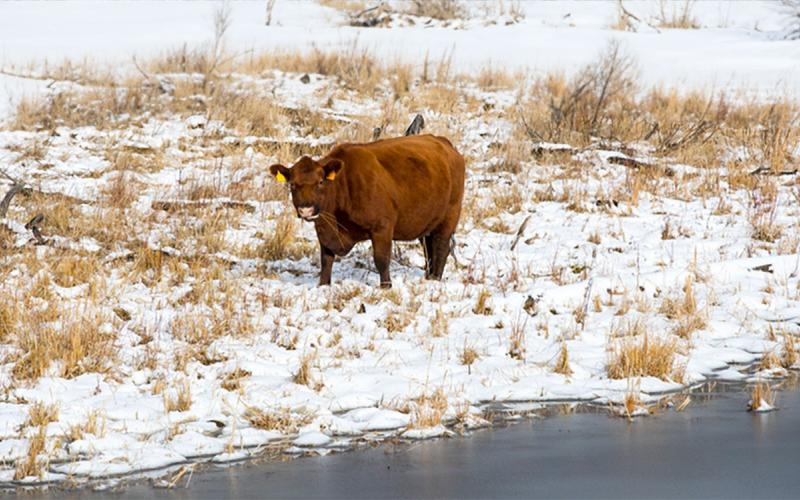
Icebreakers: Winter Water Supply
Cold weather creates a challenge for producers who house their herds in areas where there are limited water resources and available natural water sources may be frozen over.
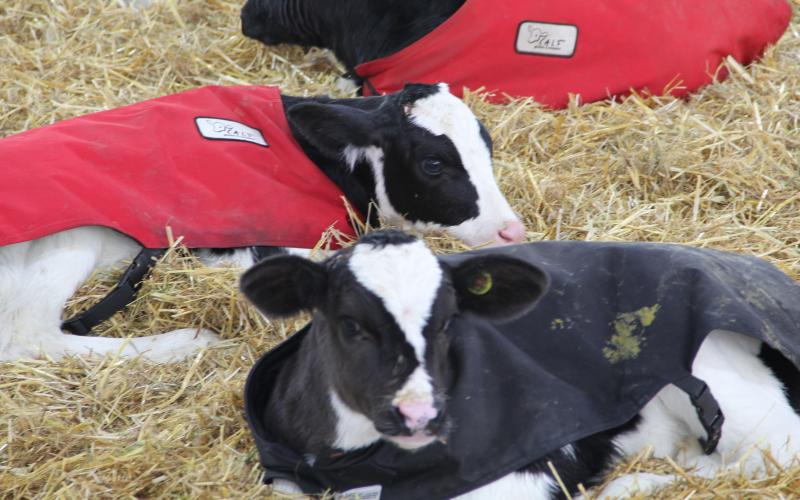
Managing Un-Weaned Dairy Calves During Cold Weather
Winter can present extra challenges for dairy producers and heifer growers as they try to keep calves alive and growing adequately in frigid temperatures.
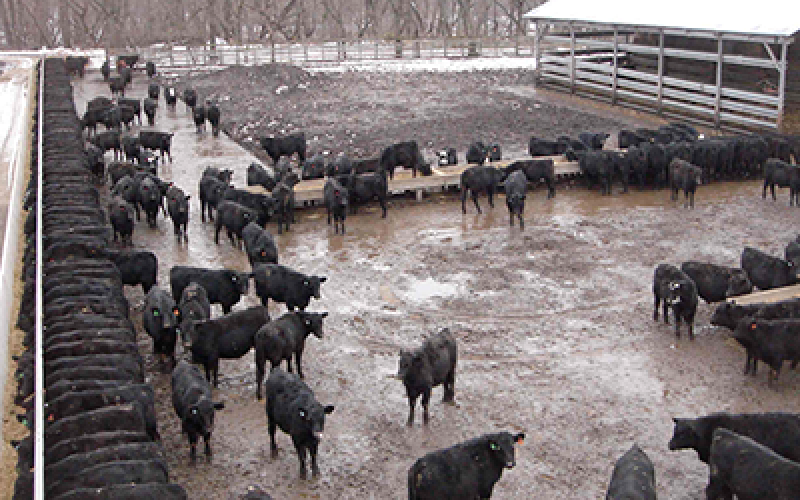
How Much Meat Can You Expect from a Fed Steer?
The yield of edible meat from a beef carcass often comes as a bit of a surprise, even to those that have had their own meat processed for years. A previous article covered dressing percent—the percent of the live animal weight that becomes carcass weight, which for fed beef is usually around 62-64%. In other words, from a 1200 pound steer, you can expect a 740 – 770 pound carcass.
Sustainable Agriculture Curriculum Now Available for Middle School Educators
July 21, 2021
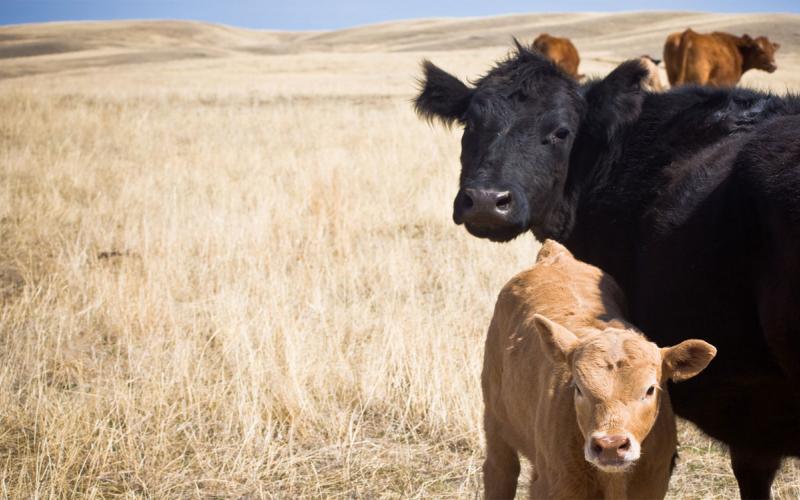
South Dakota State University Extension has launched a new educational program for middle school science teachers, homeschoolers and 4-H youth program advisors looking to add a sustainable agriculture curriculum to their lesson plans.
SDSU Extension to host Beef Quality Assurance training in Mound City, Timber Lake
January 18, 2024
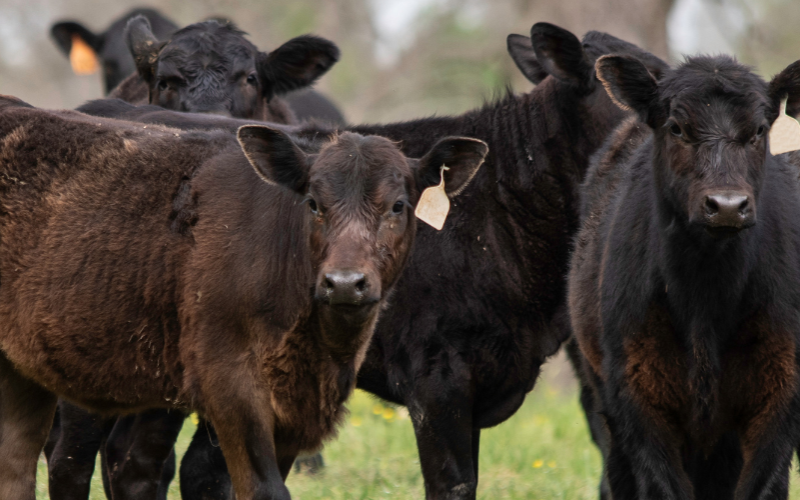
South Dakota State University Extension will host two Beef Quality Assurance training sessions on Jan. 30, 2024.
Management-Intensive Grazing Plays a Key Role in Expanding Grass-Based Agriculture
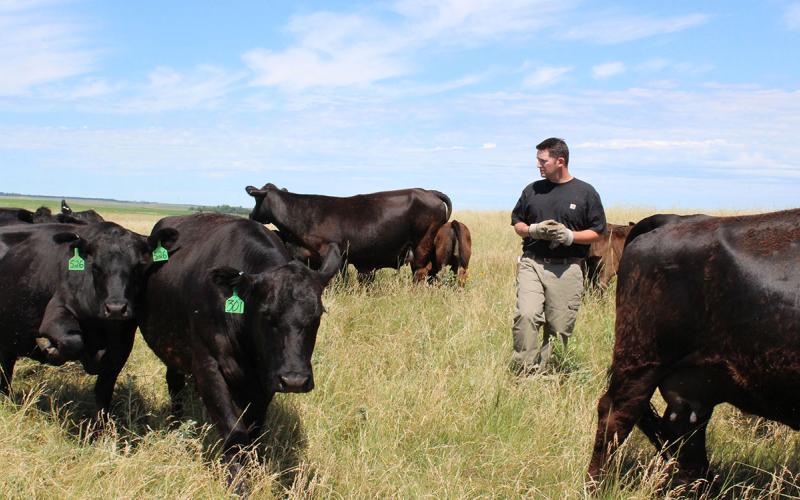
By improving livestock carrying capacity and reducing feed costs, grazing strategies at greater management intensity have the potential to improve grass-based livestock production profits.

Understanding Grassland Terminology
Before learning the best practices of grassland management, it's important to know some of the common terminology used in the land management and conservation arena.